

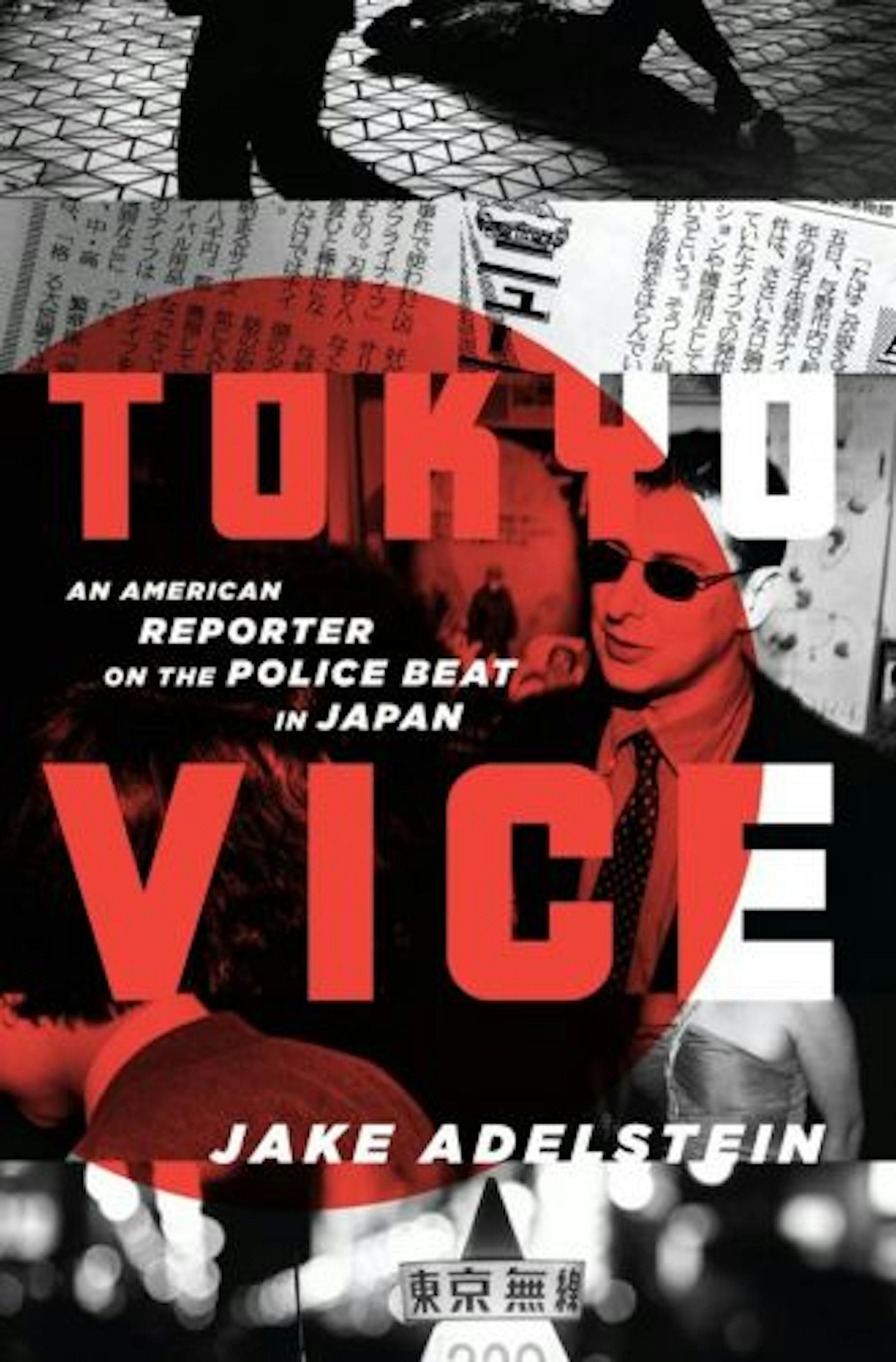
I knew I'd been typecast when I came back from a vacation to find "Tokyo Vice: An American Reporter on the Police Beat in Japan" (Pantheon, 352 pages, $26) on my desk, with a note from the newspaper's books editor suggesting that I might want to review it.
I've been a Japan-ophile for the past 40 years or so. I followed my curiosity to a bachelor's degree in religious studies, largely focusing on Buddhism. I've studied Japanese martial arts for many years. And I've been a reporter with an investigative bent and an interest in organized crime for decades. I suppose it was a reasonable suggestion.
But I wondered: Who would really want to read some hack's war stories about how he went to Japan to study Zen and karate, only to abandon that path to became a cops reporter?
I put the book aside, figuring I'd get to it, if at all, when I had nothing else to read.
Don't make that mistake.
When I finally picked up "Tokyo Vice," author Jake Adelstein hooked me with the first paragraph in the prelude, "Ten Thousand Cigarettes": "Either erase the story, or we'll erase you. And maybe your family. But we'll do them first, so you learn your lesson before you die."
What follows that threat (from an organized-crime enforcer) is an improbable journey that led Adelstein to a 12-year stint with Yomiuri Shimbun -- a Japanese-language daily newspaper, circulation 13.8 million -- and a showdown with Japanese organized crime groups known as Yakuza.
These aren't the two-dimensional Yakuza popular in movies and anime. Adelstein portrays them as a blend of the sociopathic killers of "Pulp Fiction," the honor-bound mafioso of "The Godfather" and the ruthless corporate raiders in the movie "Wall Street."


