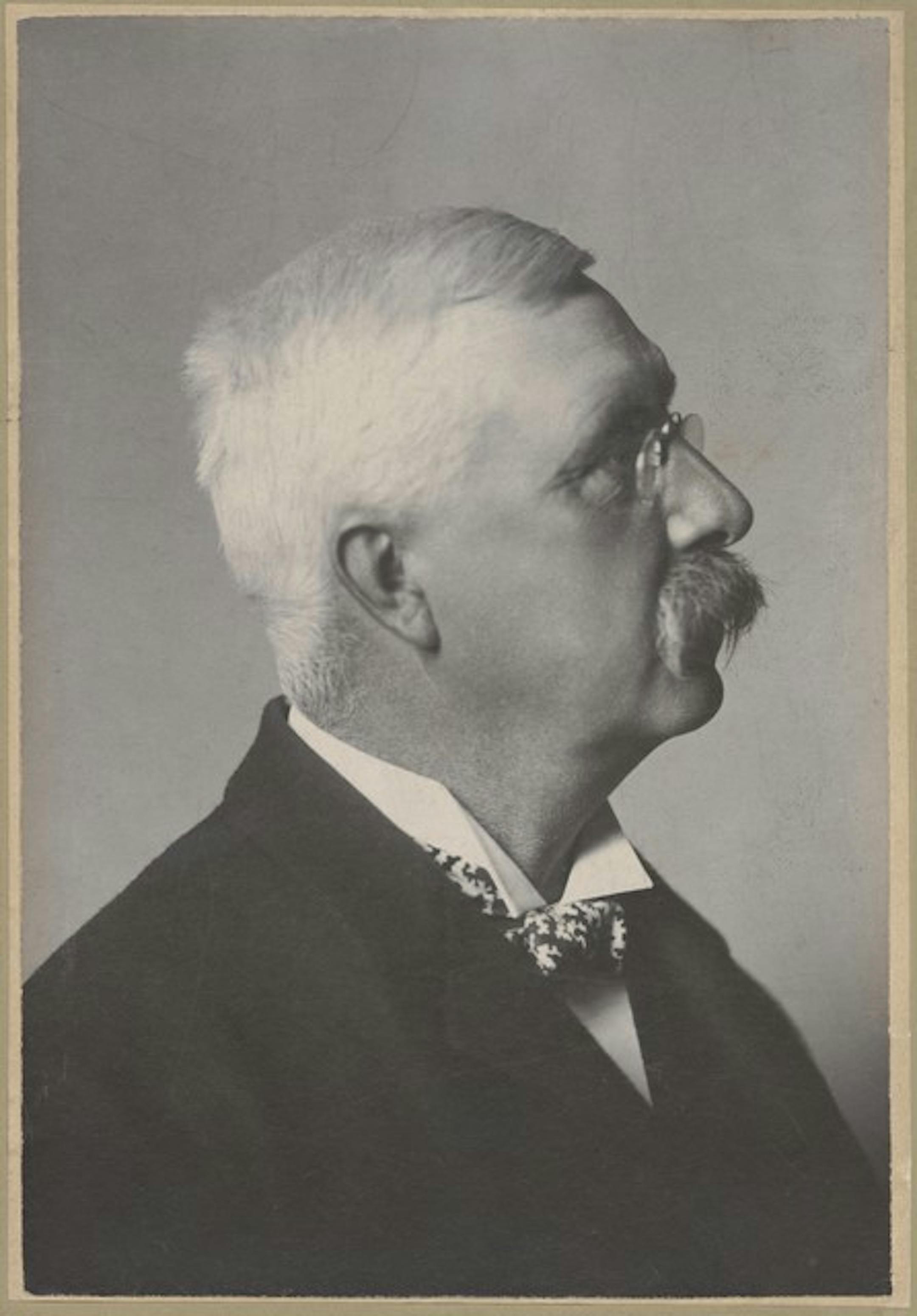
Amos Abbott and Harriet Walker rest near each other at Lakewood Cemetery in Minneapolis, their legacies linked as the founders of two hospitals, Abbott and Northwestern, that would merge decades after their deaths. But their lives were worlds apart in 1863.
Born to missionary parents in India in 1844, Abbott sailed with his parents at age 3 to Boston. He was studying law at Dartmouth College when the Civil War erupted, prompting him to join a New Hampshire regiment as a drummer boy at 18. In 1863, he was taken prisoner but escaped with the help of an enslaved person from a Confederate prison.
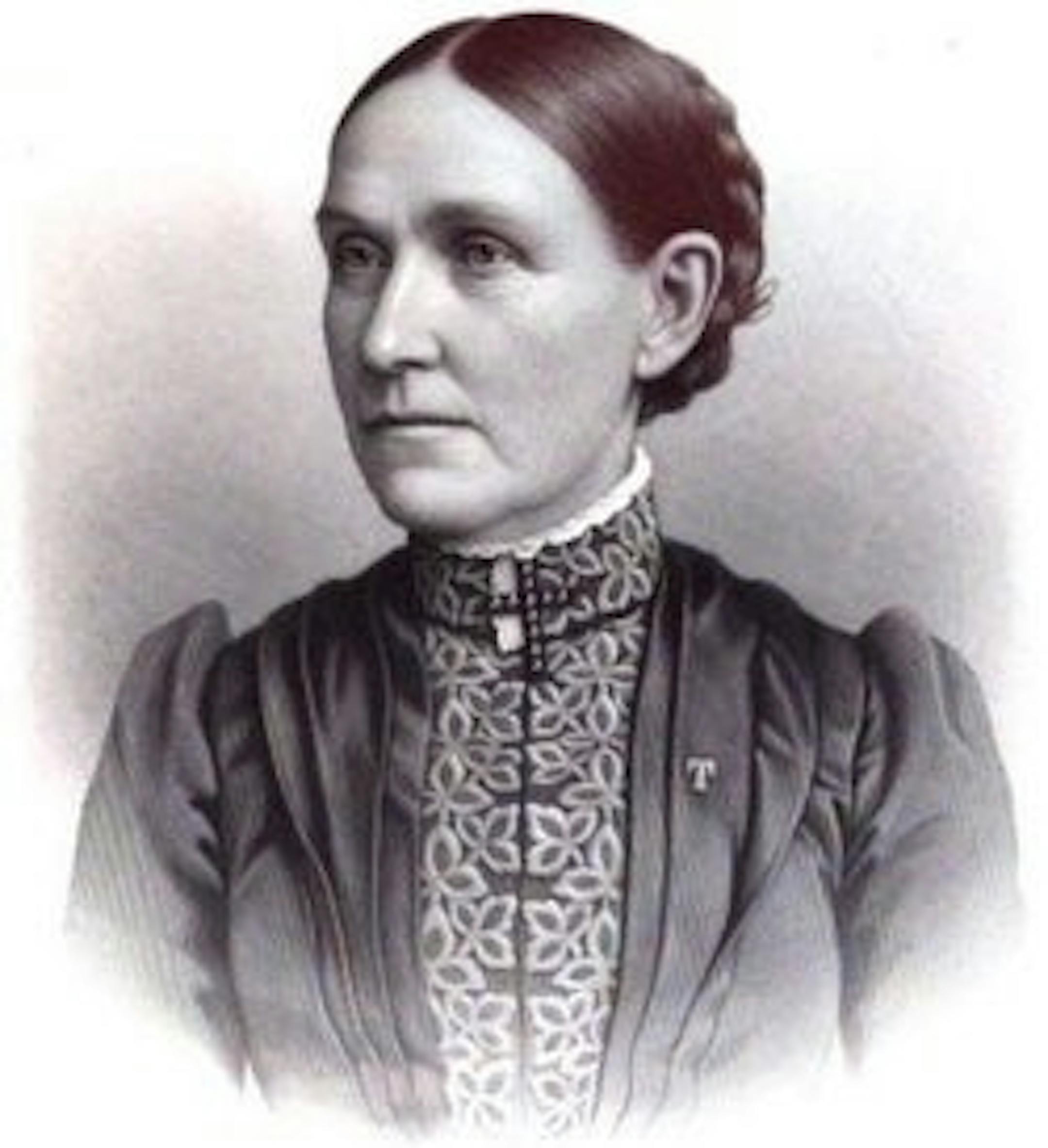
That same year, Harriet Hulet turned 22 and married Thomas Walker, a former classmate at Baldwin University in Berea, Ohio, where she'd studied music. Her husband, a government surveyor and onetime grindstone salesman, had worked for her father and would become a leading figure in Minneapolis as a lumber magnate and art collector; they started the Walker Art Center in their home in 1879.
"Gifted in mind and consecrated in heart, she is a leader among women," according to a profile of Harriet in an 1893 history of Minneapolis. Harriet Walker "forsakes the avocations of the merely elegant woman, and devotes herself ... to the services of the poor, despised and needy," the Rev. N.C. Chapin wrote.
Harriet Walker beat Abbott to Minneapolis by 13 years, moving there in the spring of 1864 with her new husband. When Harriet wasn't raising eight children or launching Northwestern Hospital for poor women and children, she was known to write hymns and poetry.
Abbott required hospital care after his prison break, and that's when a physician urged him to forsake the law for medicine. After mustering out as a private, he studied medicine at Georgetown Medical College in Washington, D.C. He stayed connected to the Army, working in the payroll department and occasionally delivering messages personally to President Abraham Lincoln.
On April 14, 1865, Abbott arrived late for a performance of "Our American Cousin" at Ford's Theatre. "As he approached, he saw a man running from the theater. It was John Wilkes Booth, who had just assassinated President Lincoln," wrote Dr. Robert Scott, a retired internal medicine physician who practiced at Abbott Northwestern for 41 years.
Digging through papers at the Minnesota Historical Society, Scott researched and wrote "Abbott Northwestern Hospital, 1882-Present: A Celebrated History," which was published in 2016 (www.tinyurl.com/AbbottNWbook).