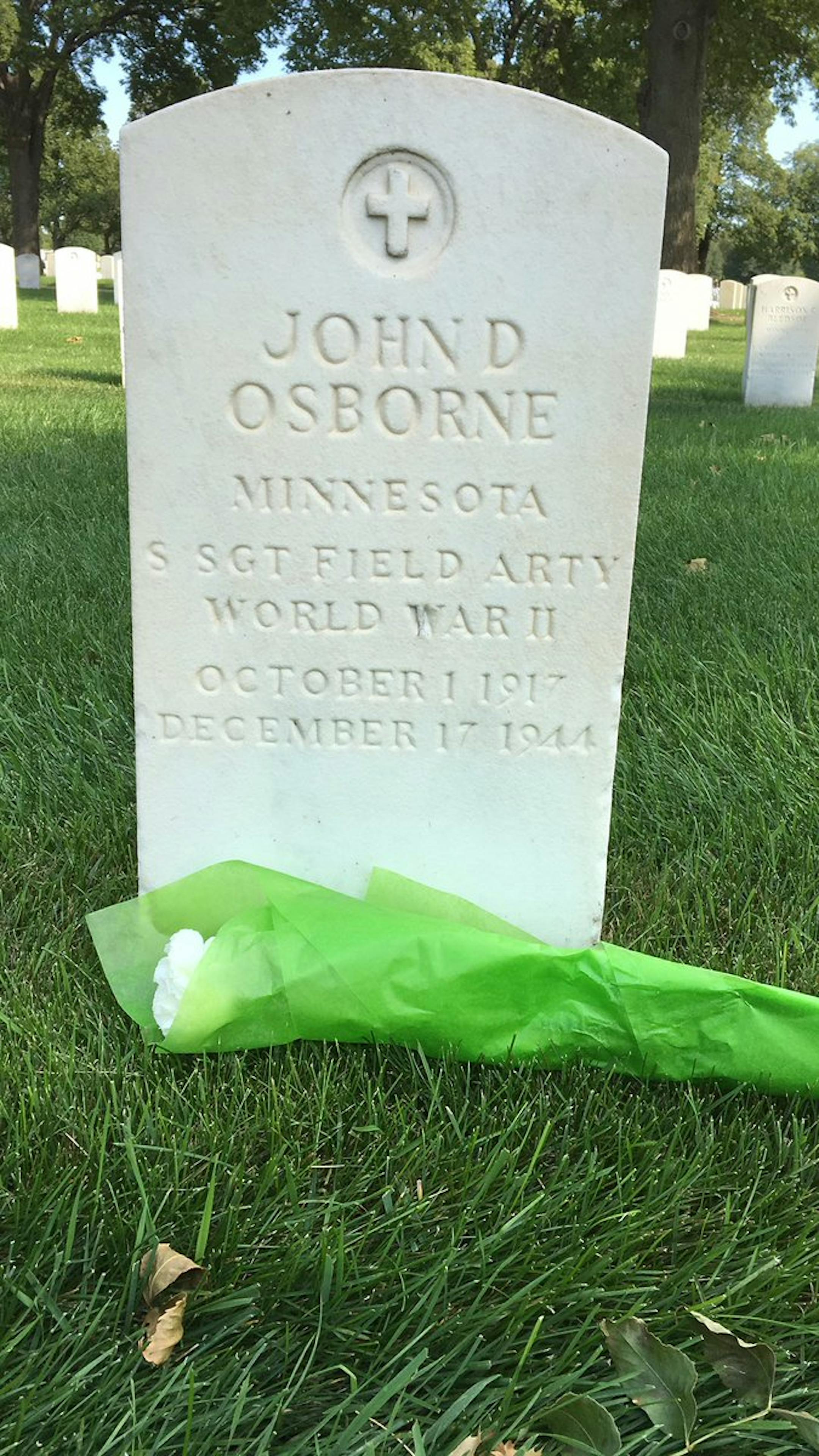
John Donald Osborne of Madelia, Minn., had just turned 25 when he got word that his kid brother, Howard, had drowned when his Army rowboat capsized during a target-shooting exercise in Rhode Island in October 1942.
Howard, a 22-year-old private, was wearing a cartridge belt and steel helmet when the accident occurred. His corporal "caught him and held his head above water for about ten minutes until help arrived," but efforts to revive him were futile, according to the Madelia Times-Messenger.
It was another awful break for the Osborne family, which had lost their Madelia farm during the Great Depression. Paul, the oldest of Eugene and Annie Osborne's 11 kids, died in 1919 at age 5 from blood poisoning caused by an infected tooth. John would have been a 16-month-old toddler when Paul was buried at Calvary Cemetery in Madelia.
Like countless brothers across the United States, the Osborne boys enlisted in the Army as World War II raged. The oldest surviving brother, Clem, was stationed in California and "on maneuvers," so he missed Howard's funeral. John, training at Camp Blanding, Fla., got there in time, the Times-Messenger reported.
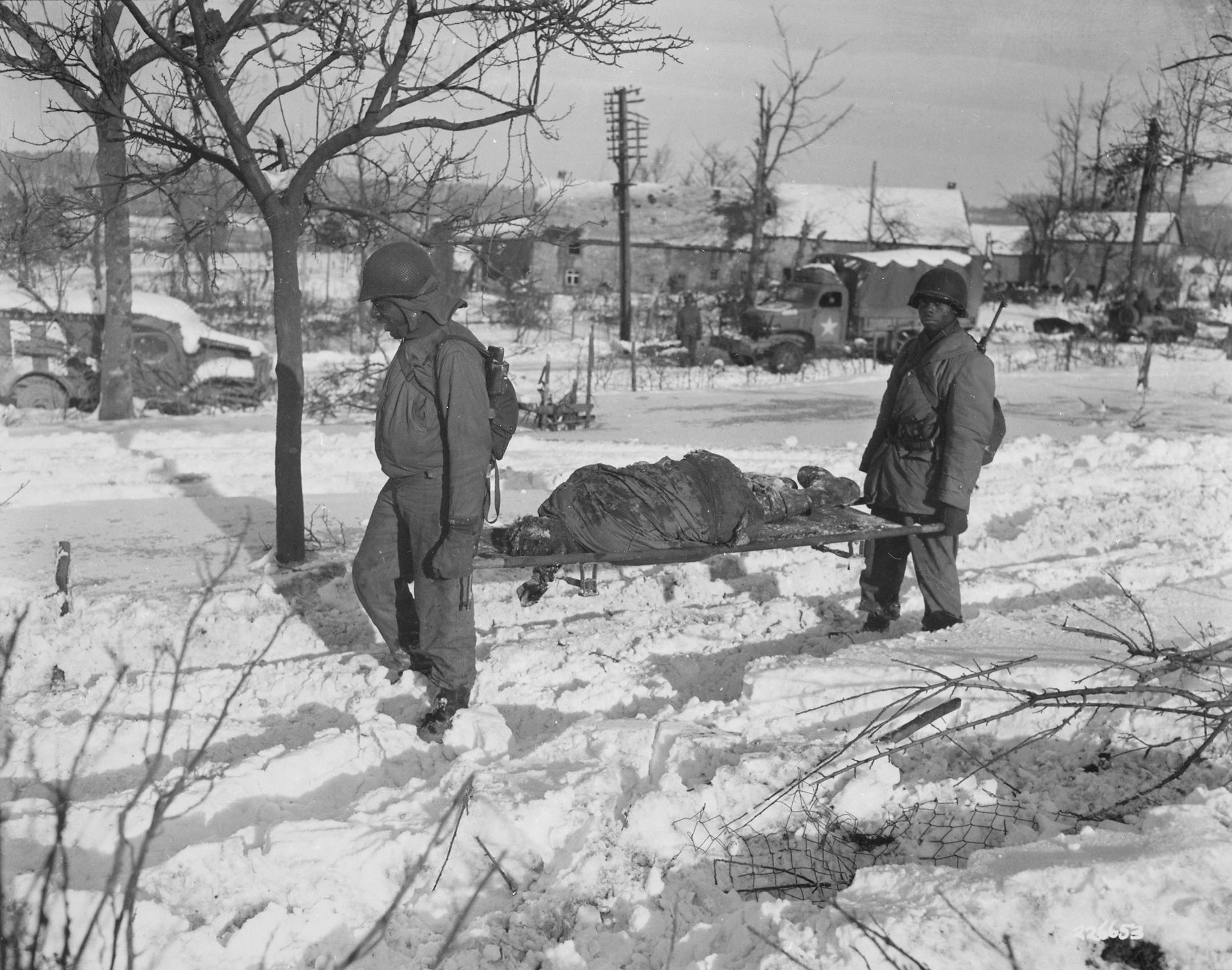
Five years later, the family gathered again to mourn — this time for John, killed at 27 when a Nazi soldier bashed in his head during a brutal massacre of prisoners of war at a Belgian crossroads near Malmedy in December 1944. His body, left in the snow for a month, was eventually reburied at Fort Snelling National Cemetery nearly three years later.
I learned about John Osborne from a Minneapolis ex-pat named Chris Olson, who retired as a social worker at 58 and now lives about three hours south of Paris. "I have always tried to incorporate history, and hopefully a Minnesota connection, into my bike tours," Olson said in an email.
While biking through the Bastogne region of Belgium this summer, Olson happened upon a memorial for the Malmedy Massacre at the spot where Nazi troops murdered 84 American POWs. Wondering whether any Minnesotans were among those mowed down by German machine guns, Olson found Osborne's name.
Five months before the war in Europe ended, Osborne was a staff sergeant, cooking meals for the 285th Field Artillery Observation Battalion — a lightly-armed unit that used flash spotting and sound monitoring to track Nazi artillery during the Battle of the Bulge.