
Real-life Rosie the Riveter from Kasson, Minn., loves to tell her WWII story

Helen Leqve wants people to know how women helped win the war.

August 27, 2016 at 9:08PM
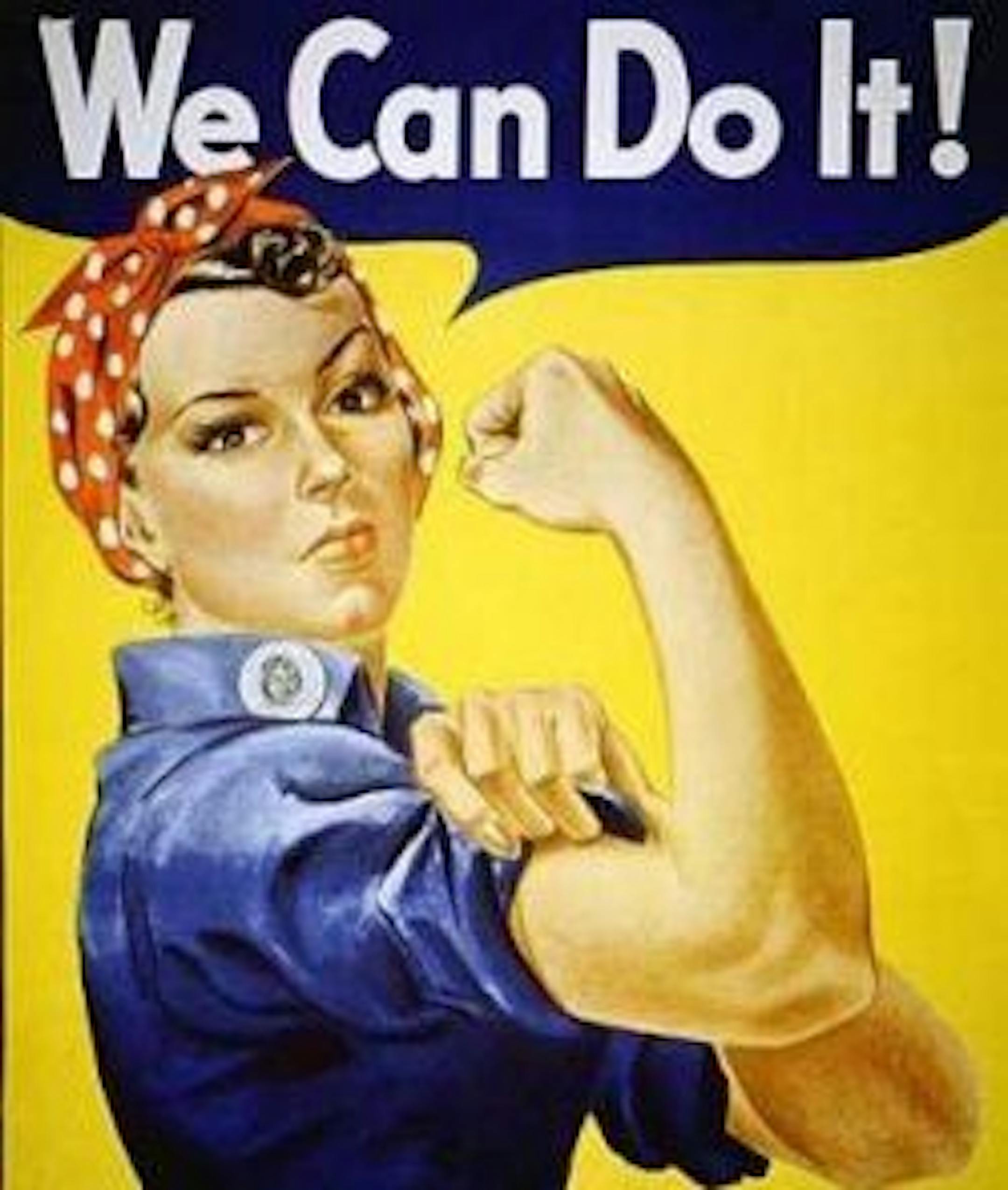
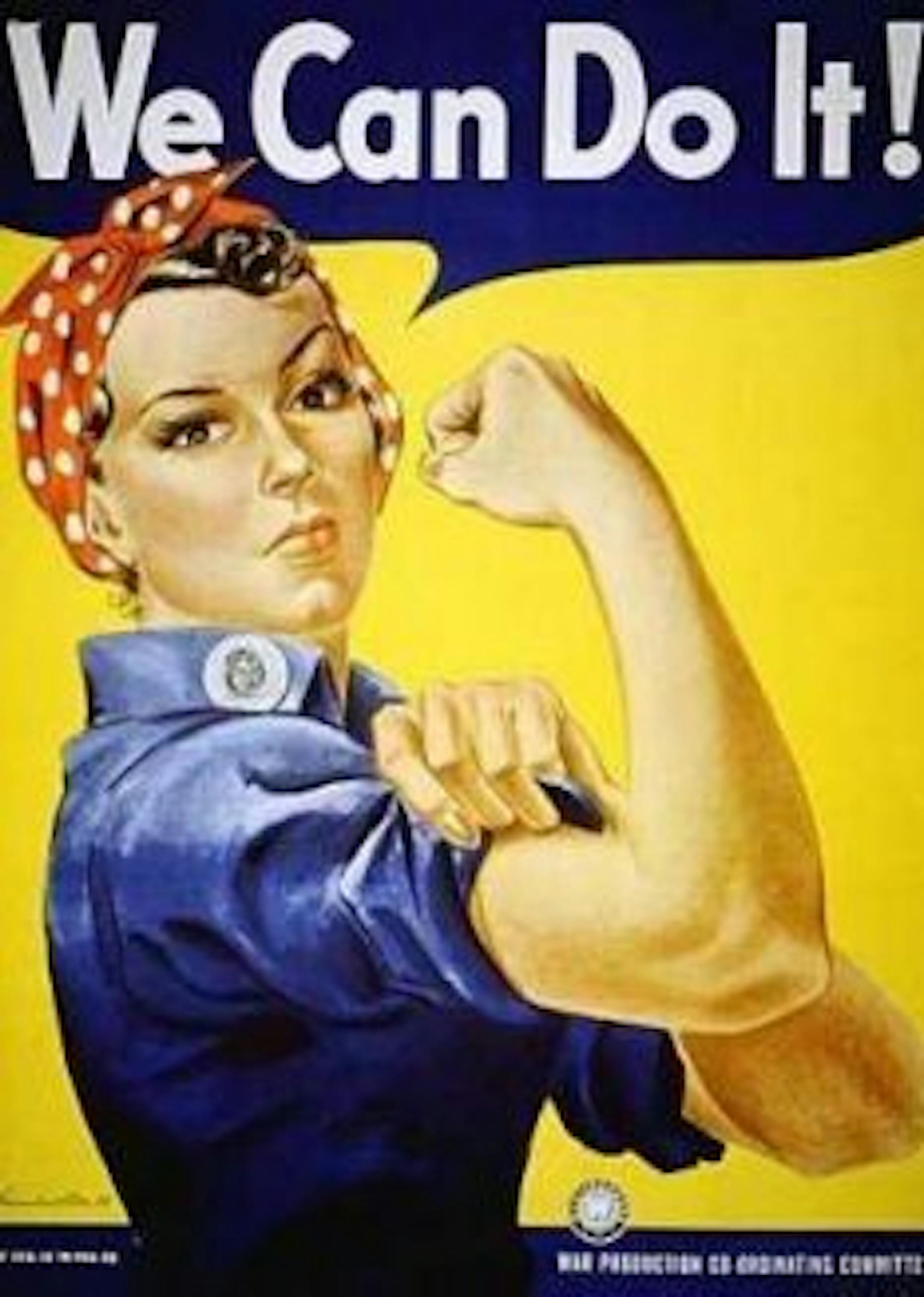
Original Rosie the Riveter poster.
The Rosie the Riveter poster came to define the women who stepped up when their country needed them in World War II. (The Minnesota Star Tribune)

KASSON, MINN. – Helen Leqve sat at the table, her materials in front of her, as she prepared to tell 10 friends and neighbors how she helped win World War II.

The 94-year-old Kasson woman is eager to give that talk again and again, because she believes so few know what she, and thousands of women, did to help defeat the Axis Powers. She was one of the women who replaced men, gone to combat roles, to build thousands of airplanes. They became known, thanks to a famed Norman Rockwell poster, as Rosie the Riveter.

She's proud of that nickname and her work. "Yes, I am, I really am," she said. "I want people to know what we did during the war."

Leqve said she always has had that pride but didn't have the drive to discuss it because she didn't think others were interested. Then her great-grandson, Tyler Collett, 13, of Northfield, asked. He's a history buff, and one thing led to another until last year, when she spoke before the Lions Club in Northfield. That led to talks in Owatonna and Mantorville, and finally, to her friends in the Westfield Court area.

Now, she wants to speak out even more. "I would talk to anybody," she said.

Leqve said her riveting career began because, when she was in high school in Aitkin, Minn., she wanted to be a nurse. When World War II broke out, she realized it would take four more years of training to be a nurse, but if she worked in a defense plant, she could help the war effort immediately.

She took a Greyhound bus to California to work in Lockheed's Burbank Defense Plant. "It's a huge, huge plant," she said. She was told she was going to be a riveter.

To drive the rivets, she would get one in dry ice so it would shrink small enough to go through a hole in the metal that would be part of a B-17's wing. A woman, called a bucker, stood on the other side holding a heavy piece of metal against it so when Leqve drove it in, the other side would mushroom and as it warmed, would swell. Because she and the bucker were small, they were called upon to slide into the tightest parts of the wing.
She stayed with an aunt and uncle and needed a ration book to get certain food items. She still has one of the books. "The younger people have no idea what they are," she said.

Her dad later came out and worked in the same plant as a crane operator. He would, at times, be directly above his daughter and drop down candy or gum, Leqve said.

She later was injured and sent home, then brought to a huge plant in Utah where she did other chores on tail turret machine guns. Oddly, she never saw a complete airplane and didn't realize what her work was doing.

When the war ended, she and her husband, Merlin Leqve, moved back to Minnesota. She kept a scrapbook that is now part of the history museum in Colorado.

That's where Helen Leqve's story ended. Afterward, she served cake and coffee. One friend was impressed: "Helen," she said, "you've had a very interesting life."

original Rosie the Riveter poster. After the unbearable unemployment of the Great Depression, World War II brought a glut of high-paying manufacturing jobs. With so many soldiers leaving the country to serve overseas, there were not enough men and America's women were suddenly thrust into unfamiliar work. Convincing America that women could handle heavy work like riveting aircraft cowls, welding personnel carriers and building military equipment became a huge public relations project. The most f
The Rosie the Riveter poster came to define the women who stepped up when their country needed them in World War II. (The Minnesota Star Tribune)
about the writer

about the writer

JOHN WEISS, Rochester Post-Bulletin

More from Minnesota Star Tribune

See More
card image
J. SCOTT APPLEWHITE, ASSOCIATED PRESS/The Minnesota Star Tribune

The "winners" have all been Turkeys, no matter the honor's name.

In this photo taken Monday, March 6, 2017, in San Francisco, released confidential files by The University of California of a sexual misconduct case, like this one against UC Santa Cruz Latin Studies professor Hector Perla is shown. Perla was accused of raping a student during a wine-tasting outing in June 2015. Some of the files are so heavily redacted that on many pages no words are visible. Perla is one of 113 UC employees found to have violated the system's sexual misconduct policies in rece