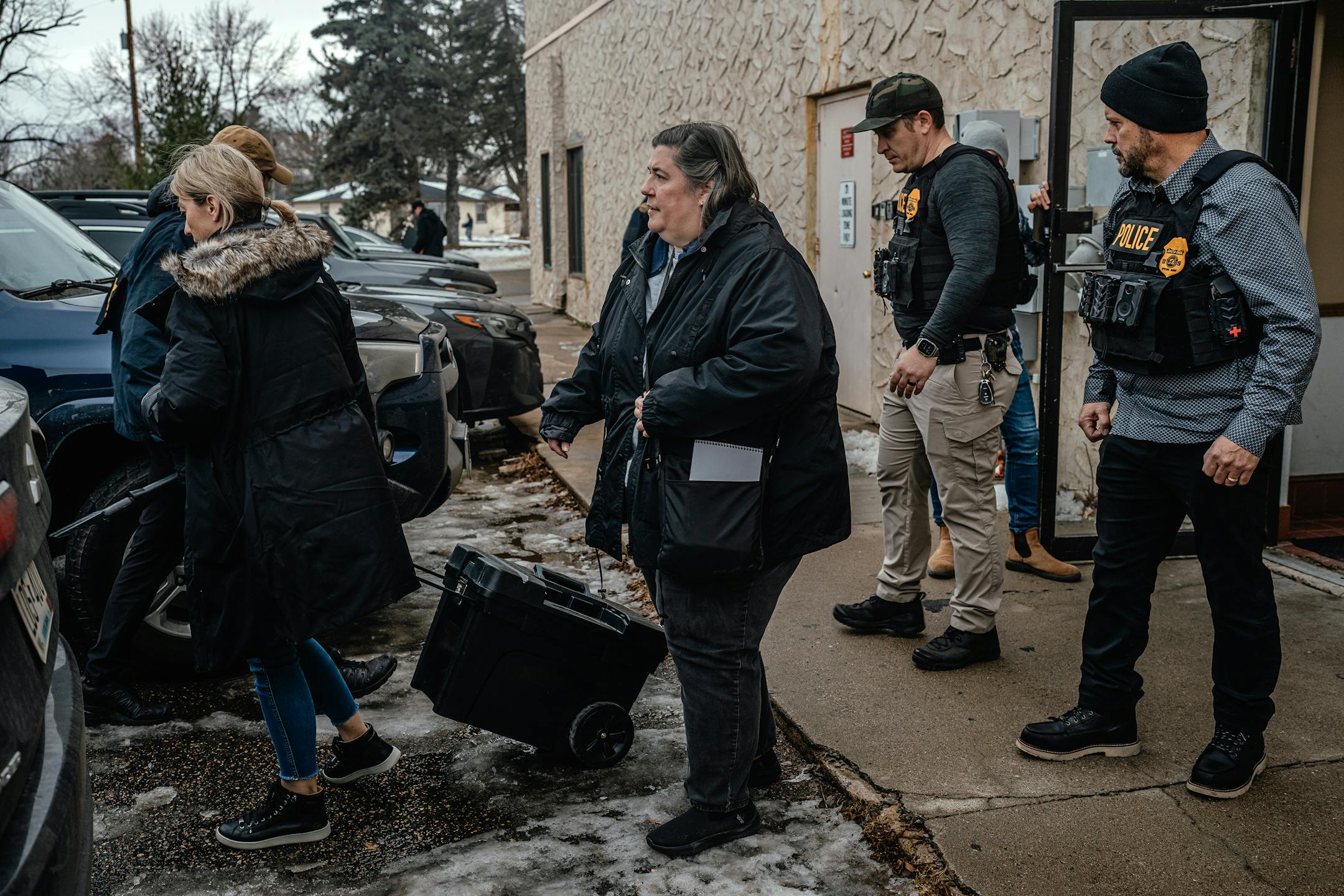
The jump headline said, “Politically charged influencers find fertile ground” (“Viral video sparks intense response,” front page, Jan. 1). To me, the Strib’s New Year’s Day article referred to both YouTuber Nick Shirley and Andy Brehm, the conservative contributing columnist. Brehm had written a piece published the day before (“We should all be demanding answers to the questions raised by this 23-year-old YouTuber,” Strib Voices, Dec. 31). He emphasized one of Shirley’s video targets, the Quality Learning Center. Someone, perhaps with limited exposure to English or simply making a not-uncommon signage error, posted “learing” over the center’s door. That error does not constitute fraud, but Brehm couldn’t resist highlighting it. He added, “During its first licensing review in 2022, the center racked up more than 25 violations and continued to be flagged for numerous violations over the years apparently without funding consequences.” The usage of “racked up” and “apparently” are loaded and look prejudicial. The New Year’s article noted that according to a state department, the Quality Learning Center did indeed have “lapses” that included “failure to keep hazardous items away from children and inadequate recordkeeping. None were related to fraud.” None. The article continued by adding, “the head of the department said regulators had conducted unannounced visits at all of the sites in the video this year and found no evidence of fraud.”
Brehm, you’re a lawyer, and I’m not. Still, I rest my case about the need for fairness from all of us.
The Jan. 1 front-page story “Middle earners feeling the pinch” misses the extent of the affordability crisis that our nation faces. By focusing on the quarter of the middle class — about 15% of the region’s households — that are “feeling the pinch” it ignores the 20% of households below the middle class that are far less able to afford their basic needs. Taken together, about 35% of Twin Cities households are unable to afford what the report refers to as the essentials of housing, food, transportation, child care and health care. As one of the many Minnesotans who volunteer at a church food pantry, I can see the reality of this need, to which too many of our elected leaders turn a blind eye.
I fear that over a third of our country will remain unable to afford the basic necessities of life as long as the Trump administration and Republican Congress continue to try to cut back on SNAP and affordable care programs, while Democrats lack the courage to address needs that extend far beyond middle-class affordability.
Allan Campbell, Minneapolis