

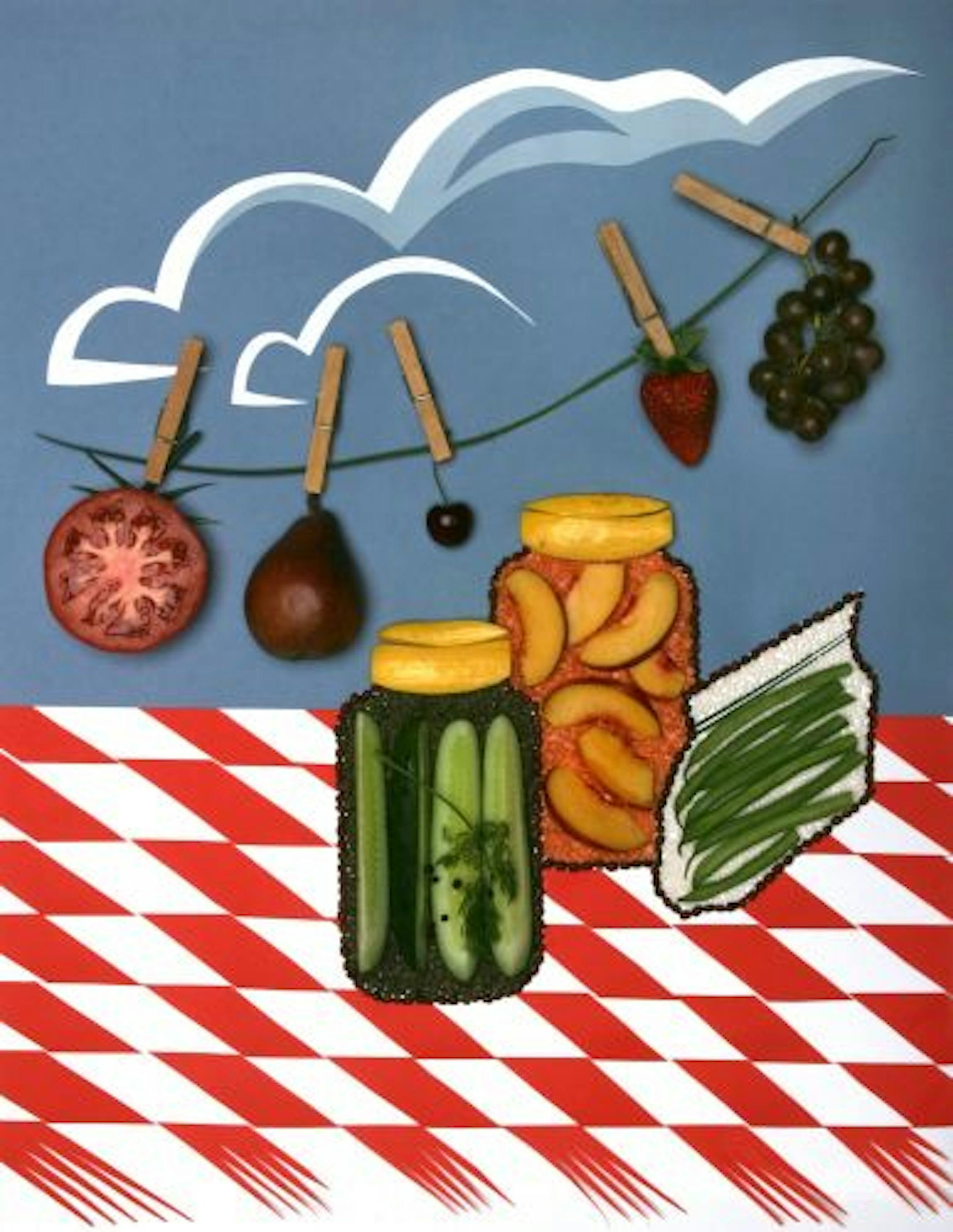
HARVEST HOW-TO
Pick early. Bigger isn't better. Most fruits and vegetables get tougher and seedier as they get larger.
Pick often. If you continue to pick, your plants will continue to produce. But if you stop picking, it won't take long for your plants to take the hint and start going to seed, literally.
Know when they're ready. "There's no right time to pick carrots and peppers," said Deb Brown, local garden writer and former extension horticulturist with the University of Minnesota. "They taste good at any stage." But tomatoes should be an evenly ripe color. Peas should be fat and puffy. Beets should be pushing their "shoulders" through the soil. If you're unsure whether a veggie is good to go, try it.
Dry up. Water can spread bacteria and disease and speed rot, so don't wash your produce until you're ready to eat it. Also, try not to harvest in the rain. "If you pick beans or tomatoes off a wet plant, you can bruise the plant and open it up to bacteria," said Brown.
Cool it. Don't leave just-picked produce in the hot sun. Get carrots, peas and beans in the refrigerator. Store ripe tomatoes on the counter away from a sunny window. Wipe the dirt off squash and pumpkins and put them in a cool spot.
Preserve or give away what you can't eat within a few days or a week. If you have too much, arrange an informal produce exchange with friends, relatives and co-workers, or donate your produce to a foodshelf. (Contact Second Harvest Heartland at 651-484-5117.)
Pull plants that are no longer producing. Get them out of the garden and onto the compost pile. To improve the soil and prevent weeds from sprouting, plant a cover crop. (See www.extension.umn.edu/distribution/horticulture/M1228.html for more information.)
Plant a fall crop of green onions, leaf lettuce, radishes, spinach or mesclun mix.


