At this time last season, we already were pretty sure about the favorite to win the national championship and the supposed Player of the Year.
Kentucky and its star forward/center, Anthony Davis, took over college basketball and led the way from the start of January all the way through the NCAA tournament, with Davis and the Wildcats winning all the trophies they were supposed to win.
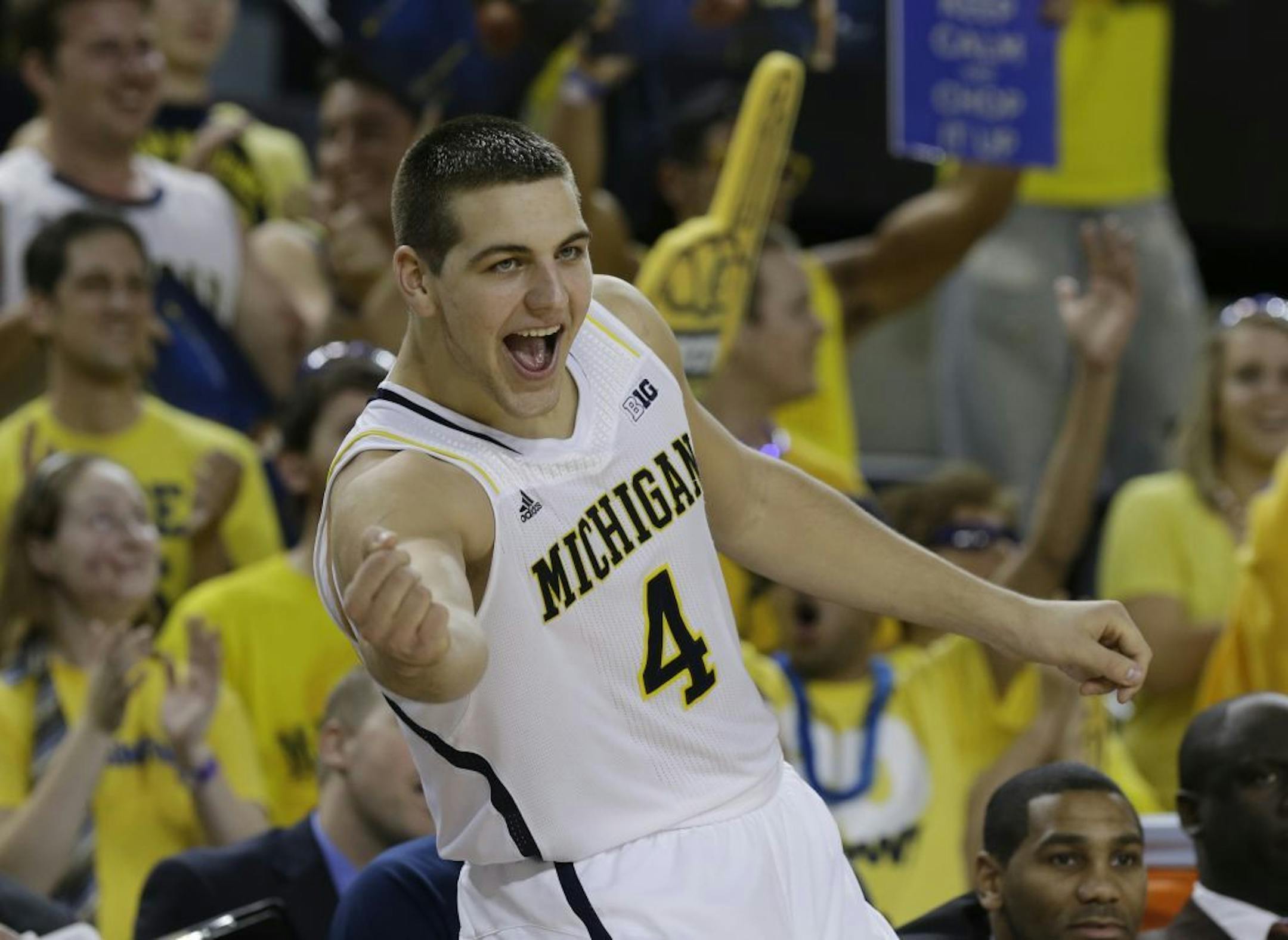
This year, however, is a much different story. The No. 1 team in the land already has changed four times, most recently with the elevation of Michigan to the top spot for the first time this season on Monday.
The best player in the country is an argument encompassing a handful of candidates, none of whom is without flaw. The conversations will undoubtedly continue to bend and fluctuate as upsets keep shaking up the top of the rankings.
So basically, this season has become incredibly up for grabs. But does unpredictable equal bad? Does the fact that no team or player has really taken the reins mean it's a down year for college basketball?
"Some people think that parity means bad," CBSSports.com bracketologist Jerry Palm said. "But I don't think that's necessarily true. It just means the talent is spread out. ... We haven't had a team like last year's Kentucky team. We haven't had anybody out there like that, that's that good, that dominant. But that's just going to make things exciting."
Some analysts, though, have hypothesized that teams are playing at a slower rate in general. On Saturday, Northern Illinois made headlines after managing to score only 25 points -- and only four in the first half -- against Eastern Michigan. In another game this season, at Dayton on Dec. 1, the Huskies managed only five points in the first half.
Palm, who enters every Division I score into his database by hand, said he's noticed more low scores than usual this season.