With spring comes rebirth.
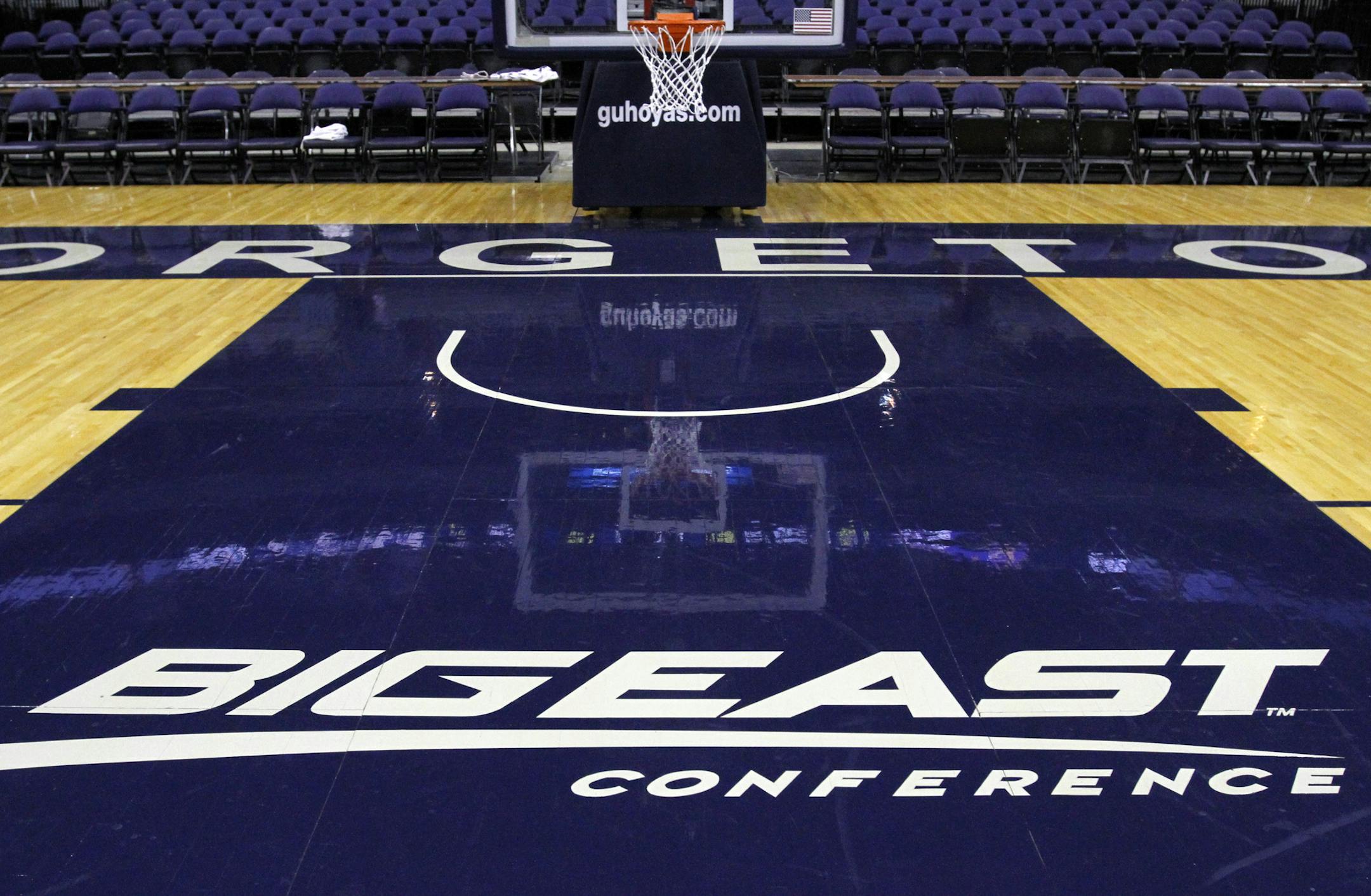
And after numerous stages — the shedding of leaves, the wilting, the threat of death and decay — the Big East is ready to be born anew.
The product is something completely original, spawned from a combination of the recent past and memories of what it once was: a basketball powerhouse before the monetary pull of football changed the landscape dramatically.
But just how good is this new hybrid going to be? And what's to become of the old Big East, which is losing seven schools and its name?
Right now, there are still many questions, but the consensus is that the change is nothing negative for college basketball — and in fact the new Big East could wind up becoming a new and exciting hoops powerhouse in the immediate future.
It helps that the headliners (Georgetown, Marquette and Villanova) of the new league, which officially announced its departure from the old Big East on Friday, are already established hoops brands and that the others in the Catholic Seven (Providence, DePaul, Seton Hall, St. John's) and those slated to join (Xavier, Butler, Creighton, Dayton and St. Louis) for the most part are no pushovers.
It seems the group that is splitting off is ending up with the best deal. Among the leftovers, however, is where all the uncertainty lies.
The old Big East, which still doesn't have a new name to replace the established one they sold the Catholic 7 and Co., is also pretty thin. Such schools as Connecticut and Cincinnati have plenty of reasons to heavily support their basketball teams, but because of their football programs — none of the break-off Big East teams has a football programs to speak of — they are losing the hoops competition around them. Syracuse, Pittsburgh and Louisville have agreed to move to the ACC next season. Rutgers will go to the Big Ten in 2014.