
Putting your house on a diet

Home-staging author shares tips for losing the clutter that adds stress to home life.

November 19, 2011 at 11:10PM
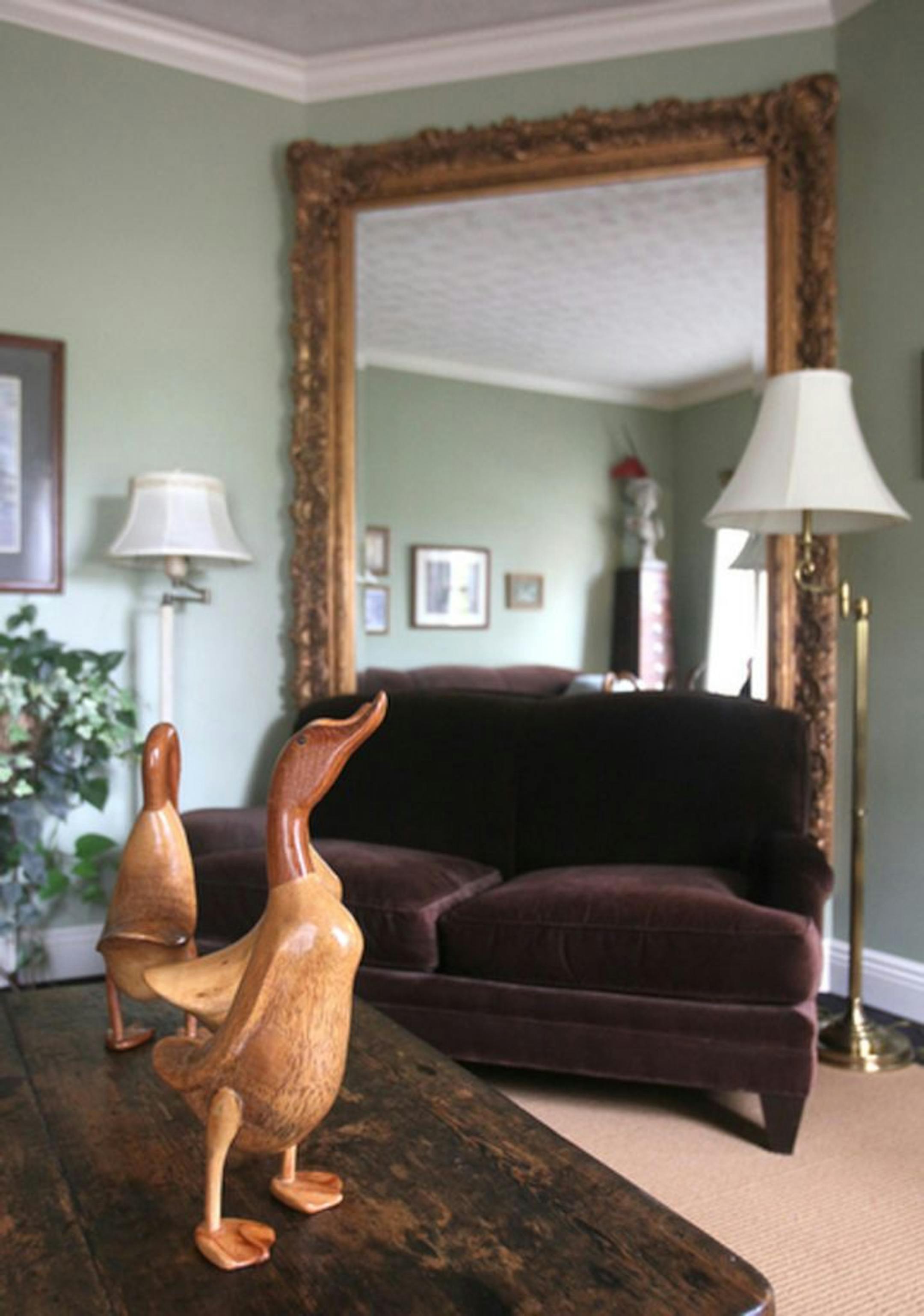
Large mirrors and artwork are one way Sharon Kreighbaum uses to help decluttering in her new book "Is Your House Overweight?"
Large mirrors and artwork are one way Sharon Kreighbaum uses to help decluttering in her new book "Is Your House Overweight?" (Mct/The Minnesota Star Tribune)

Chances are you know how it feels to put on excess pounds. You're uncomfortable. Nothing fits right. Everything seems to take more effort.

Sharon Kreighbaum believes that's how it is with houses, too. She's written "Is Your House Overweight? Recipes for Low-Fat Rooms," a guide to putting a home on a clutter diet (Heather Lane Publishing, $24.99).

The book's premise is that a bloated house is an uncomfortable one. Clutter gets in our way, increases our stress and wastes our time, energy and resources.

The self-published book grew out of Kreighbaum's work as an interior designer and home stager, as well as her early experience as a kitchen designer. Through her Hudson, Ohio, staging business, Staged Makeovers, she mostly rearranges and redecorates homes for sale, but she said she's found that some clients want her services just to make their homes more livable.

A clutter-free home doesn't have to be a spare one, Kreighbaum insists. After all, the artist in her loves beautiful things, and she loves surrounding herself with them just as much as her clients do.

"You can live with luxury, but just enough that it's not clutter," she said.

Clutter, she said, comes from indecision. Things accumulate because we haven't decided how to handle them or where to put them. And when we don't make those decisions, she said, we set ourselves up for the frustration and wasted time of continually searching for things or having to deal with the consequences of our laxity.

So one of the keys to Kreighbaum's approach is assigning everything a home, which should be where you use the item or where you need it -- your purse and cellphone near the door, for instance, and your dishes within reach of the dishwasher.

Another is deciding which activities you want to happen regularly in each room and then keeping in it only the things that support those activities. In a kitchen, for example, that might mean putting the everyday items in easy reach, storing seldom-used serving pieces in less accessible spots and finding other homes for the backpacks, mail and other things that tend to accumulate there.

Think of it as living like you're on vacation, Kreighbaum said. Even the most luxurious hotels and vacation homes contain only the things their guests will need during their stays. "Any more than that and we wouldn't be able to relax and unwind," she writes in the book.

about the writer

about the writer

MARY BETH BRECKENRIDGE, Akron Beacon Journal

More from Minnesota Star Tribune

See More
card image
J. SCOTT APPLEWHITE, ASSOCIATED PRESS/The Minnesota Star Tribune

The "winners" have all been Turkeys, no matter the honor's name.

In this photo taken Monday, March 6, 2017, in San Francisco, released confidential files by The University of California of a sexual misconduct case, like this one against UC Santa Cruz Latin Studies professor Hector Perla is shown. Perla was accused of raping a student during a wine-tasting outing in June 2015. Some of the files are so heavily redacted that on many pages no words are visible. Perla is one of 113 UC employees found to have violated the system's sexual misconduct policies in rece