

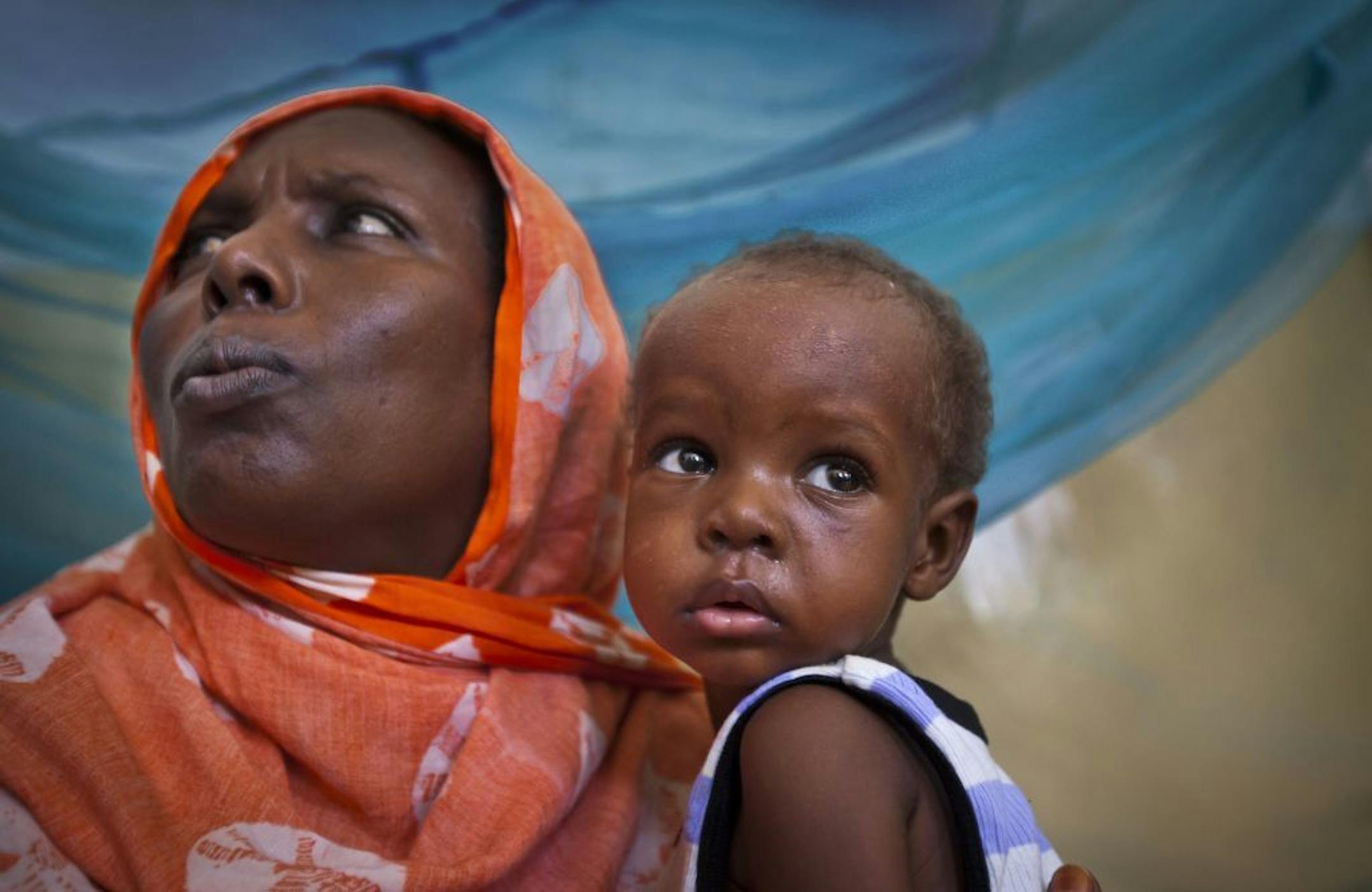
Imagine having to pick just one of your children to save, while leaving the others to face death.
One of my most searing experiences as a reporter occurred in Cambodia, where I met a woman whose daughter had just died of malaria and who was left caring for seven children and grandchildren.
The woman, Nhem Yen, showed me her one antimalaria bed net and told me how every evening she agonized over which children to squeeze under it — and which ones to leave out and expose to malarial mosquitoes.
That's the kind of excruciating question that extreme poverty forces on families.
For thousands of generations, a vast majority of humans have lived brief, illiterate lives marked by disease, disability and the loss of children. As recently as 1980, a slight majority of the world's people lived in extreme poverty, defined as surviving on less than $1.25 in today's money.
Yet in a time of depressing news worldwide, about dysfunction and crisis from Syria to our own Congress, here's one area of spectacular progress.
The share of the world's people living in extreme poverty has been reduced from one in two in 1980 to one in five today, according to the World Bank. Now the aim is to reduce that to almost zero by 2030.
There will still be poverty, of course, just as there is far too much poverty lingering in America. But the extreme hanging-by-your-fingernails subsistence in a thatch-roof hut, your children uneducated and dying — that will go from typical to essentially nonexistent just in the course of my adult life.


