

The Minnesota Department of Health would regain broad authority to test and store blood samples from newborn babies under legislation that has pitted medical privacy activists against advocates of public health and medical research.
The bill, which has passed key committees in the House and Senate, would reverse the direction of recent court rulings, allowing the Health Department to retain blood samples for medical research unless parents specifically say no.
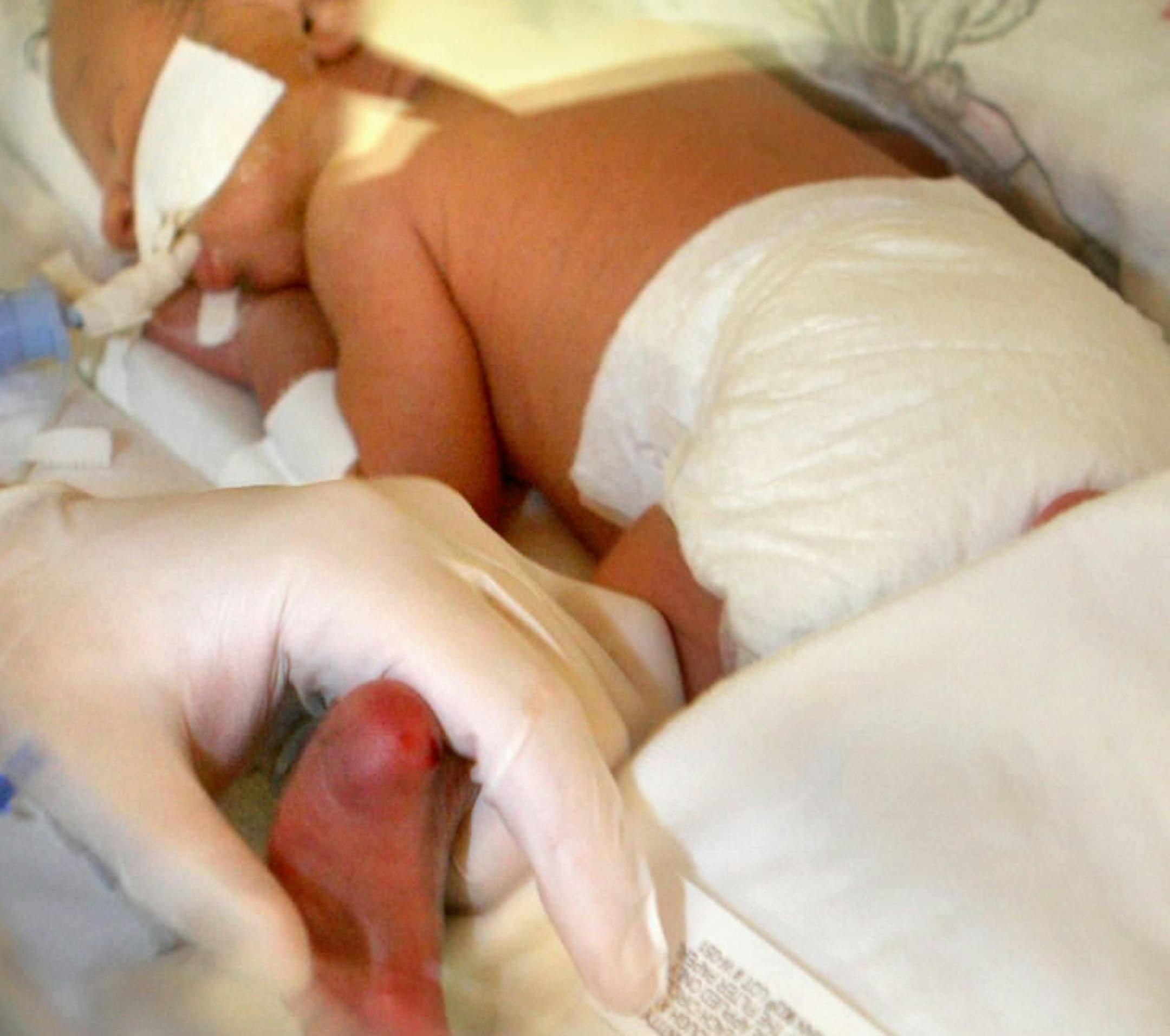
Physicians and state health officials say the tiny blood spots, typically drawn about 24 hours after a baby is born, allow early detection and treatment of dozens of hereditary illnesses, and then, once stored, help scientists study pediatric diseases.
"Minnesota was always the model across the nation for newborn screening, and we have fallen a long way in the last couple years off that," said Rep. Kim Norton, DFL-Rochester, chief author of the House bill. "And we can return to that and still allow people to opt out."
Twila Brase, president of the Citizens' Council for Health Freedom, who has emerged as an influential voice on medical privacy, said the bill would give the state unsettling power to store and use babies' genetic information.
"Anything having to do with newborn screening has to do with looking into the genetics, into the DNA, of the child," she said. The bill, she said, would allow "a vast array of research that is going to be done without consent."
At issue in the legislation is whether parents must "opt out" of having their newborns' blood sampled and stored, or "opt in."
A 2011 Minnesota Supreme Court order requires the Health Department to destroy blood samples that test negative after 71 days and samples that test positive after two years, unless parents "opt in" and give written consent that it can keep them.


