Our tram car bucked in the wind on its way up the mountain at Snowbird Resort. I grabbed a railing and held on as it whisked me uphill in a blizzard, the slopes of Utah's Wasatch Range below obscured in white.
"At least the snow is deep," a stranger shouted, his face hidden, caked with ice.
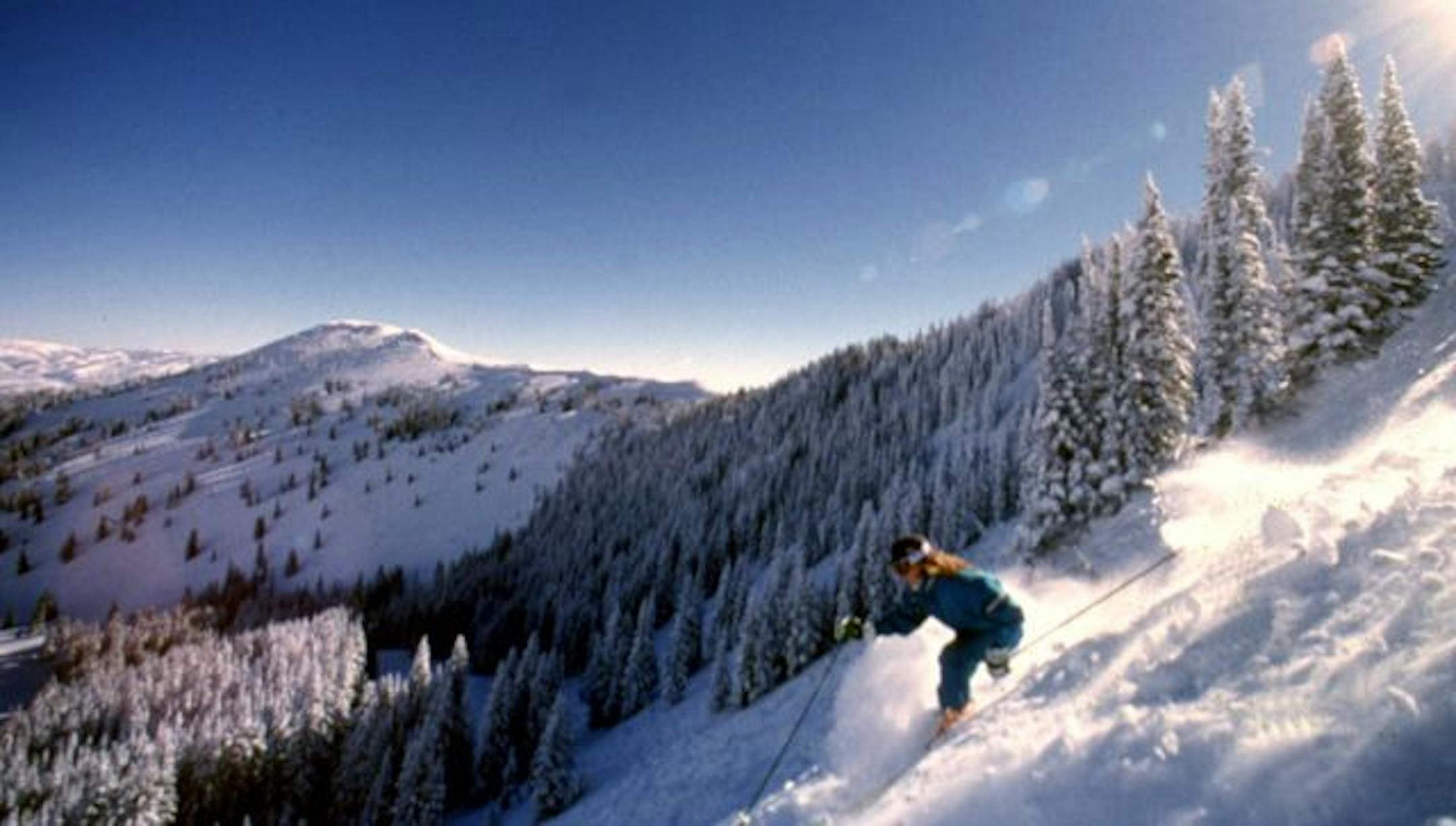
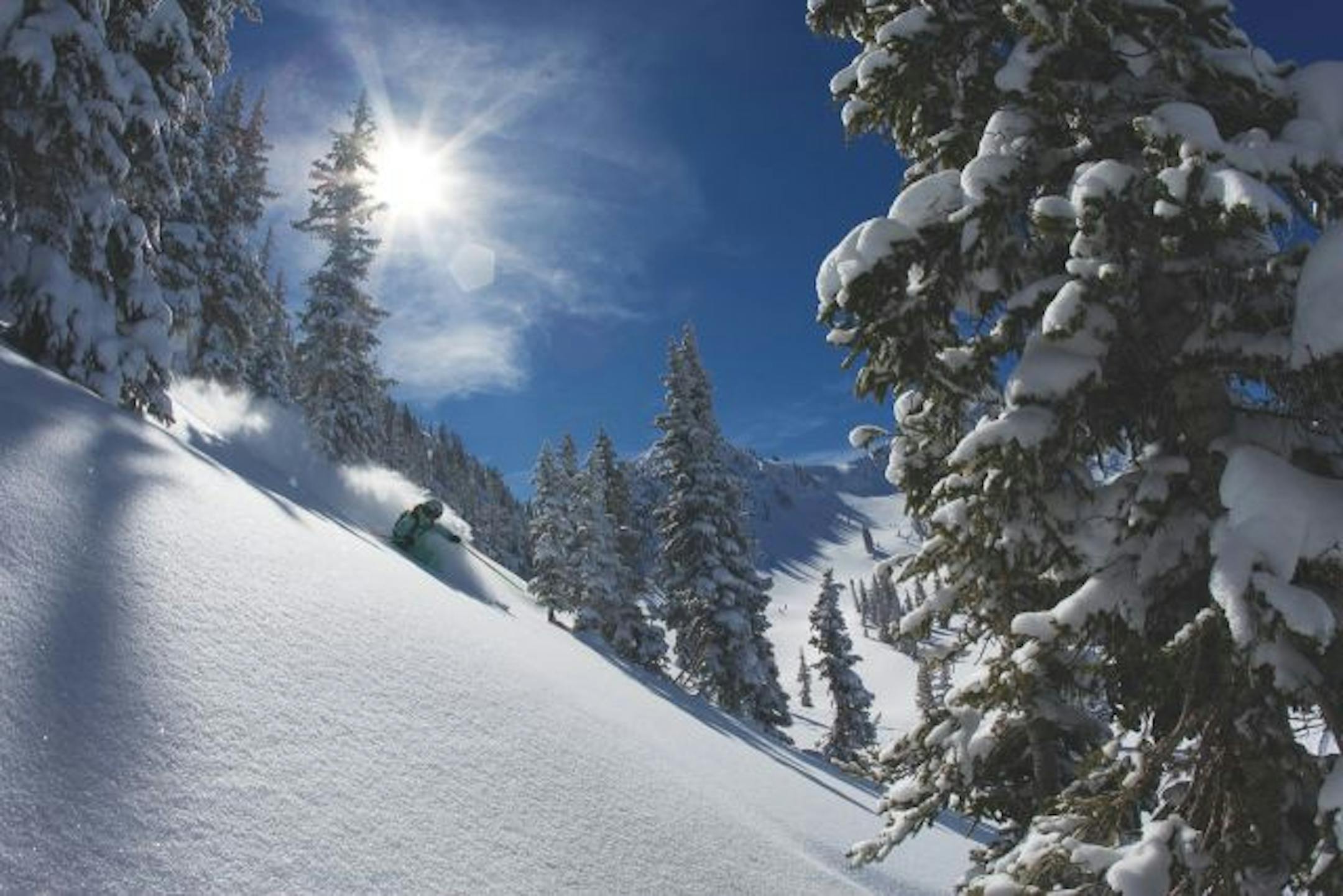
Staked like a wall at the western edge of the Rocky Mountains, the Wasatch Range towers over Utah's Great Salt Lake and the vast desert basin beyond. For skiers and snowboarders, the range's sharp peaks and plunging valleys -- plus hundreds of inches of powder snow each season --create an ultimate playground for fast descents in deep snow.
Since 1995, when I first drove west on a winter road trip, the Wasatch has ranked as my favorite ski destination in the United States. The world validated my bias in 2002 when the XIX Olympic Winter Games landed in Salt Lake City amid the Wasatch's pyramids of white.
The mountains near Salt Lake offer a dozen resorts, including the European-flavored Snowbird with its aerial tram and steep slopes, as well as locals' hills like Powder Mountain. For snow quality, steep skiing, price, accessibility and variety of terrain, Utah is tough to beat. Here are eight reasons I keep going back.
SNOW
1 The region's self-proclaimed "greatest snow on Earth" is in reference to the fluffy white stuff that falls up to 500 inches deep many seasons at Snowbird Resort, Alta Ski Area, Park City Mountain Resort, Brighton and a half-dozen other areas near Salt Lake City. Mountains jutting past 11,000 feet adjacent to the Great Basin create an abrupt interruption to desert clouds coursing east. Big snow -- hundreds of inches of light, airy powder every season -- is the advantageous result.
ACCESSIBILITY
2 Fly to Salt Lake City International -- an inexpensive hop from the Twin Cities most of the year, especially now that Southwest is in the game -- and you have 11 ski areas within an hour's drive. Rent a car and you can be booting up at Brighton, Solitude or Alta Ski Area in as little as 45 minutes. The glass skyscrapers of Salt Lake City cut a silhouette as you drive east just before the Wasatch takes over, the urban outskirts intermingling with the foothills of the mountains. Major highways then lead uphill to most resorts. Or you can jump on a bus. The city boasts a public bus system to transport skiers at low fares from the city to the ski resorts in the mountains above town.
VARIETY
3The tight fiefdom of ski areas in the Wasatch Range, though geographically aligned, maintain a variety of resort personality types. Want utter luxury? Try Deer Valley for a day. Halfpipes and stunts are popular with a freestyle crowd at Brighton, where three terrain parks are built on the hill. Alta can be a no-frills, nostalgic peek at how skiing grew out of one of America's original big areas. Snowbird is tall, steep and serious, with a cable car whisking skiers to 11,000 feet overhead. I have skied eight areas in Utah, and no two seemed the same.