
Poinsettia pointers

How to keep your poinsettia looking its best.

December 28, 2010 at 8:01PM
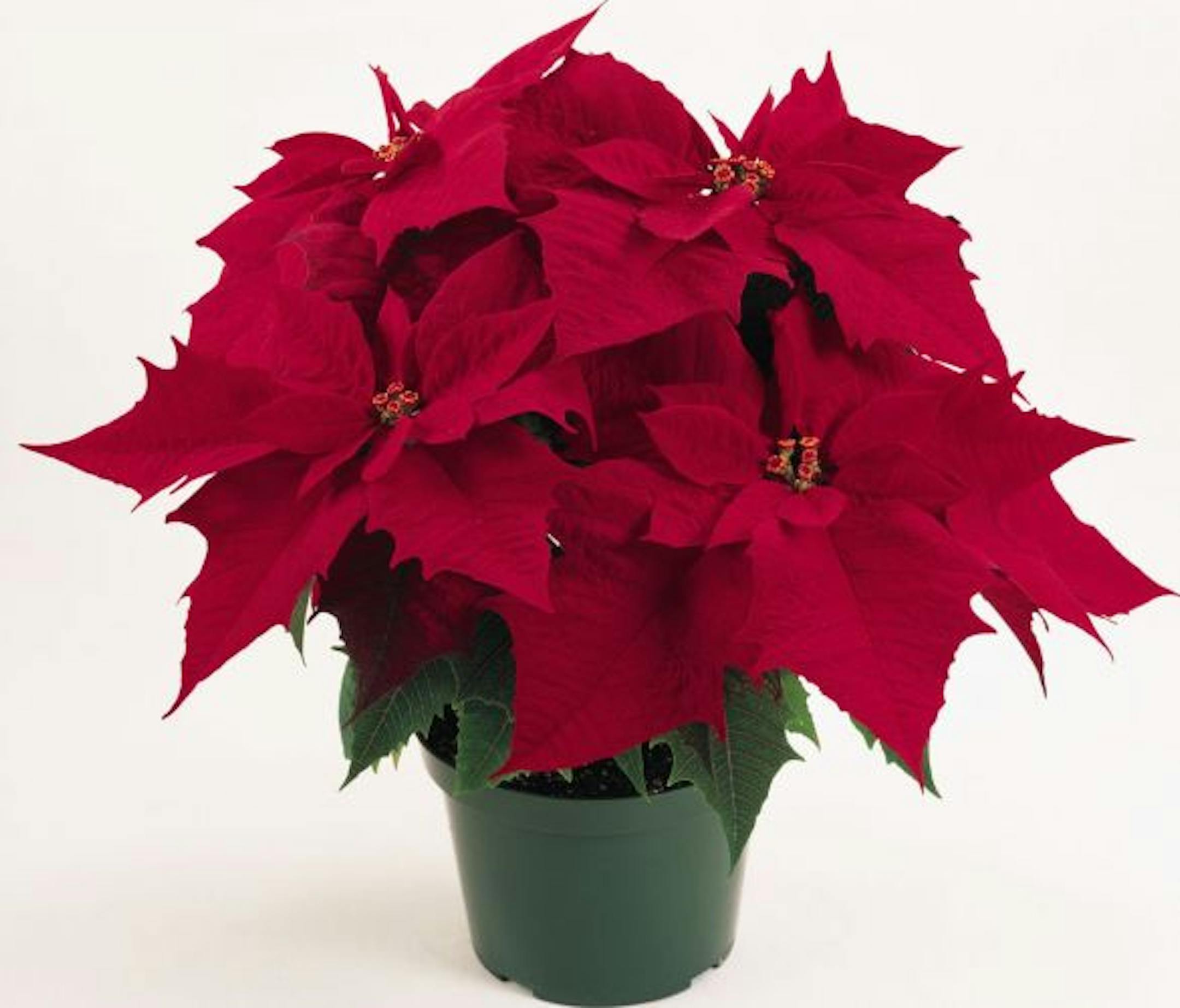
Chiati poinsettia
Chiati poinsettia (MCT/The Minnesota Star Tribune)

Whether they're the top-selling red standbys or one of the dreamily named hybrids such as Premium Picasso, Monet Twilight, Shimmer and Surprise, how do you keep your poinsettia looking good post-holidays?

Follow this advice from Ron Wolford, a University of Illinois horticulturist and creator of the online Poinsettia Pages:

CARE INSTRUCTIONS

• Place your poinsettia in indirect light after bringing it home. Poinsettias need six hours of light daily (fluorescent light will work).

• Keep your plant away from cold windows, warm or cold drafts from furnaces or air conditioners, and open doors and windows.

• Poinsettias do best at daytime temperatures of 65 to 70 degrees. Higher temperatures will shorten the plant's life.

• Check the soil daily. Punch holes in the pot's foil cover so water can drain into a saucer. Water the plant when the soil is dry. Allow water to drain into the saucer and discard excess. Wilted plants will tend to drop bracts sooner.

• Don't fertilize poinsettias while in bloom. If they are kept past the holidays, apply houseplant fertilizer monthly.

• New varieties of poinsettias last longer. It's not uncommon for poinsettias to retain their bracts for several months.

BRACT FACTS

• The poinsettia, a tropical shrub, is native to Mexico and Central America. The Aztecs called it cuetlaxochitl, or "star flower." The red petals -- actually bracts or modified leaves -- were used for dye. The plant also was used medicinally.

• Joel Poinsett, the first U.S. ambassador to Mexico, is credited with introducing the plant to this country in 1828. He raised the plants in his South Carolina greenhouse and gave them to friends. National Poinsettia Day is celebrated Dec. 12, the anniversary of Poinsett's death.

• The red or otherwise colored bracts frame the plant's actual flowers, which appear as yellow clusters at the center of the bracts. The plant drops its bracts and leaves soon after those flowers shed their pollen. For the longest-lasting poinsettias, choose plants with little or no yellow pollen showing.

• Contrary to popular belief, poinsettias are not poisonous to humans or pets.

• Poinsettias are not frost-tolerant. They will grow outdoors in temperate coastal climates, such as Southern California beach communities. In the ground, they can reach 10 feet tall.

REBLOOMING TIPS

Poinsettias need at least 14 hours of complete darkness each night for six to 10 weeks to trigger bloom. If you manage to keep your potted poinsettia alive until next fall, you can trick it into bloom. Every night, place a lightproof bag over the plant or put it in a closet to force the bloom in time for Christmas.

about the writer

about the writer

SACRAMENTO BEE

More from Minnesota Star Tribune

See More
card image
J. SCOTT APPLEWHITE, ASSOCIATED PRESS/The Minnesota Star Tribune

The "winners" have all been Turkeys, no matter the honor's name.

In this photo taken Monday, March 6, 2017, in San Francisco, released confidential files by The University of California of a sexual misconduct case, like this one against UC Santa Cruz Latin Studies professor Hector Perla is shown. Perla was accused of raping a student during a wine-tasting outing in June 2015. Some of the files are so heavily redacted that on many pages no words are visible. Perla is one of 113 UC employees found to have violated the system's sexual misconduct policies in rece