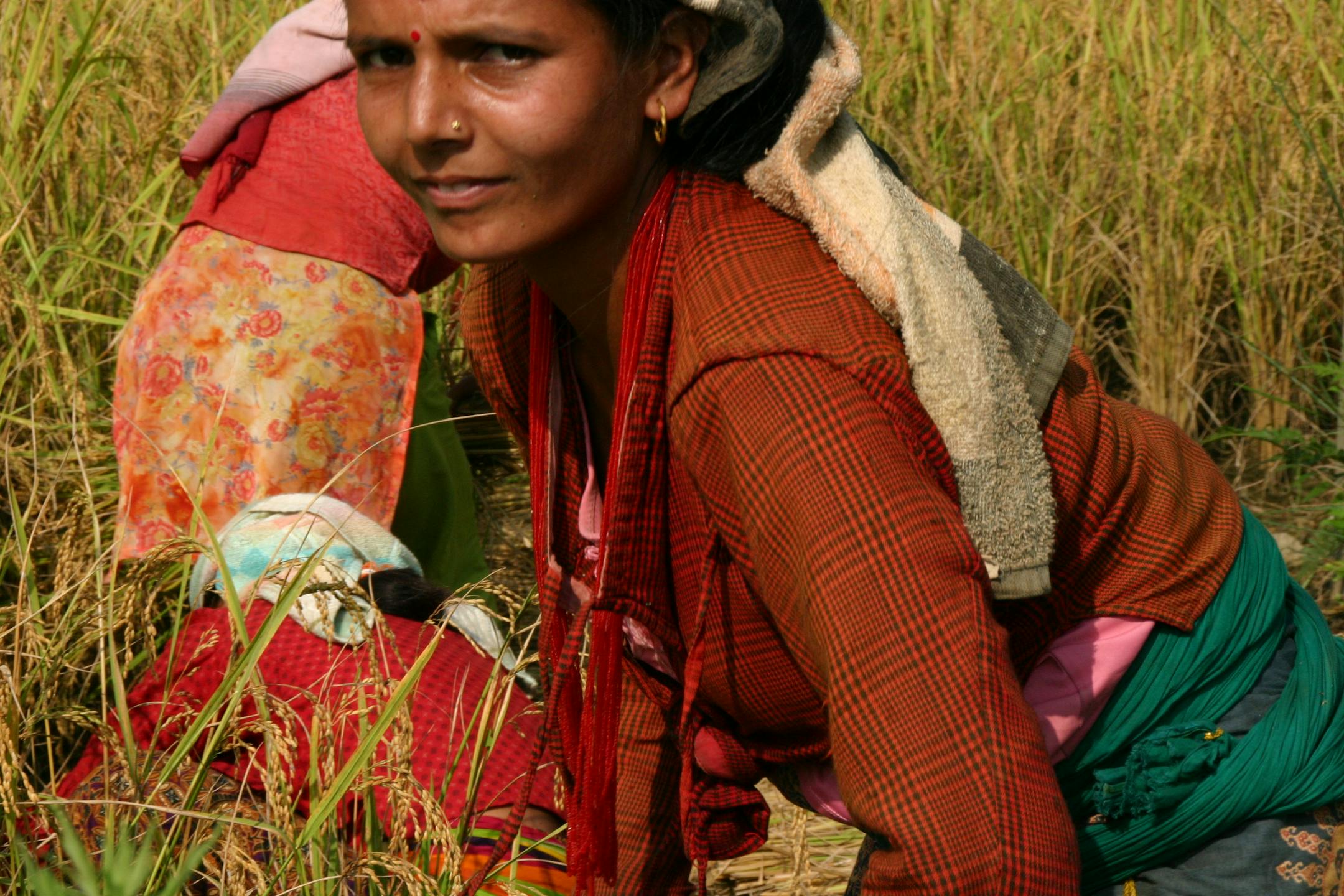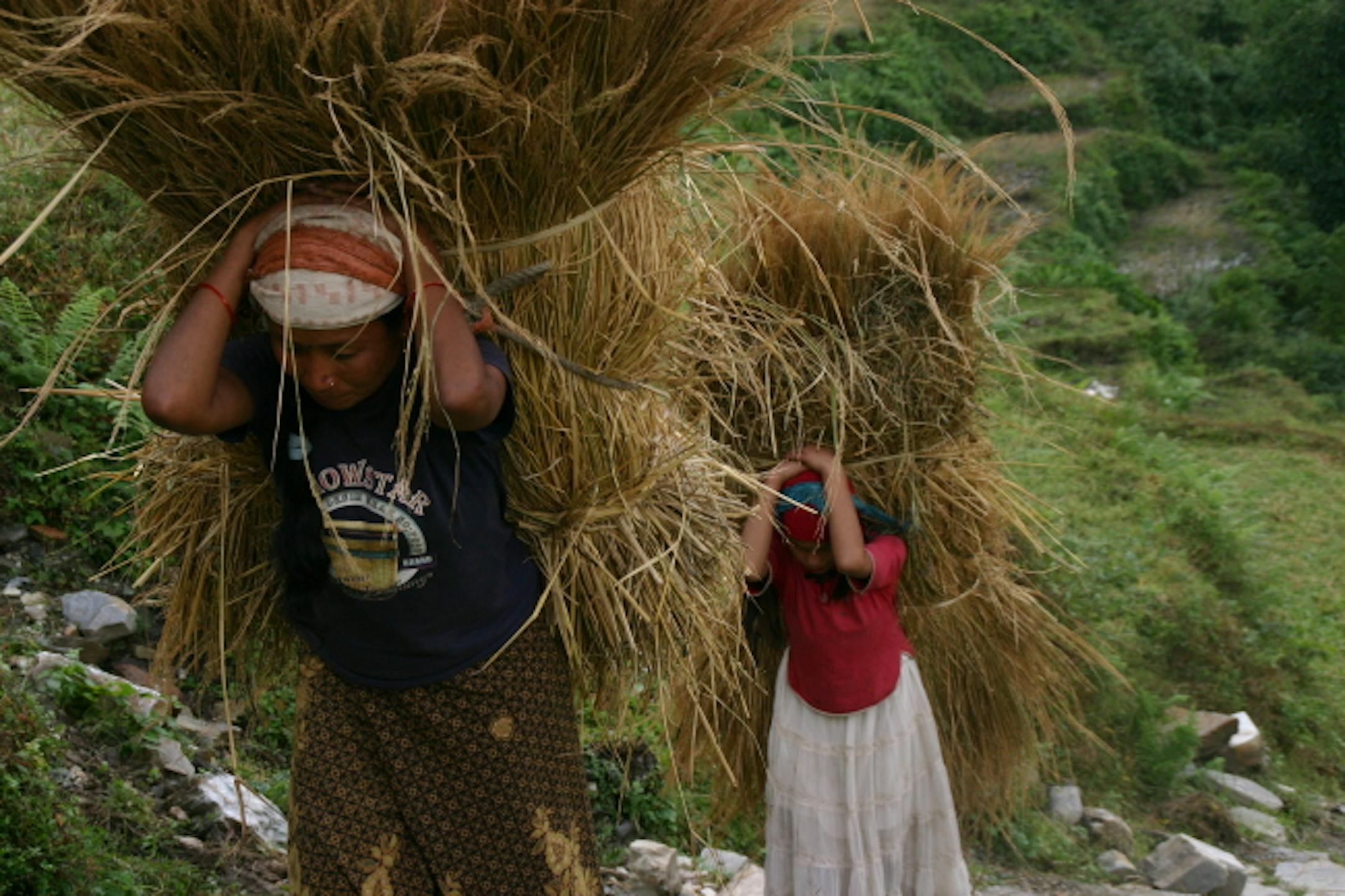
It was New Year's when I was in Nepal last November. That is not a typo. It was Newari New Year's, celebrated by the main ethnic group in the Katmandu Valley, and the capital's narrow streets were crowded with motorcycle parades and truckloads of cheering young people. For them, it was the year 1128.
For the rest of the kingdom, it was already 2064. That isn't a typo, either.
Such time-warp quirks are part of what I love about this poor, crowded, stunningly beautiful little country. But there were other, more disturbing quirks this time. I couldn't decide, for example, which was weirder -- the fact that there were Maoist checkpoints on country roads and trekking trails -- or that the Maoists gave receipts.
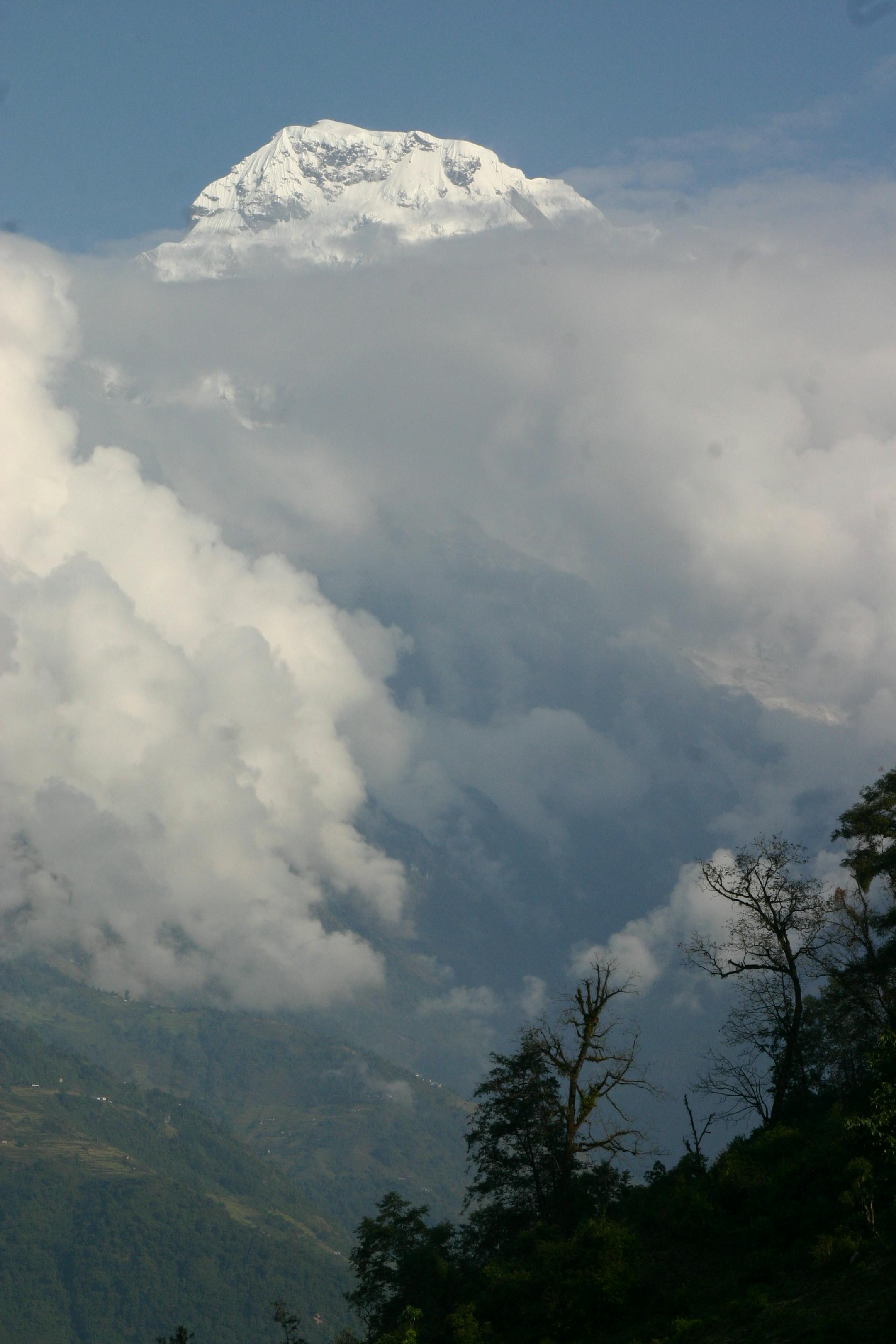
Lying like a narrow ribbon on the border between India and Tibet, Nepal has more than 26 million people in a territory only two-thirds the size of Minnesota, with even less usable land: The top tier of the country isn't just mountainous -- it's the Himalayas.
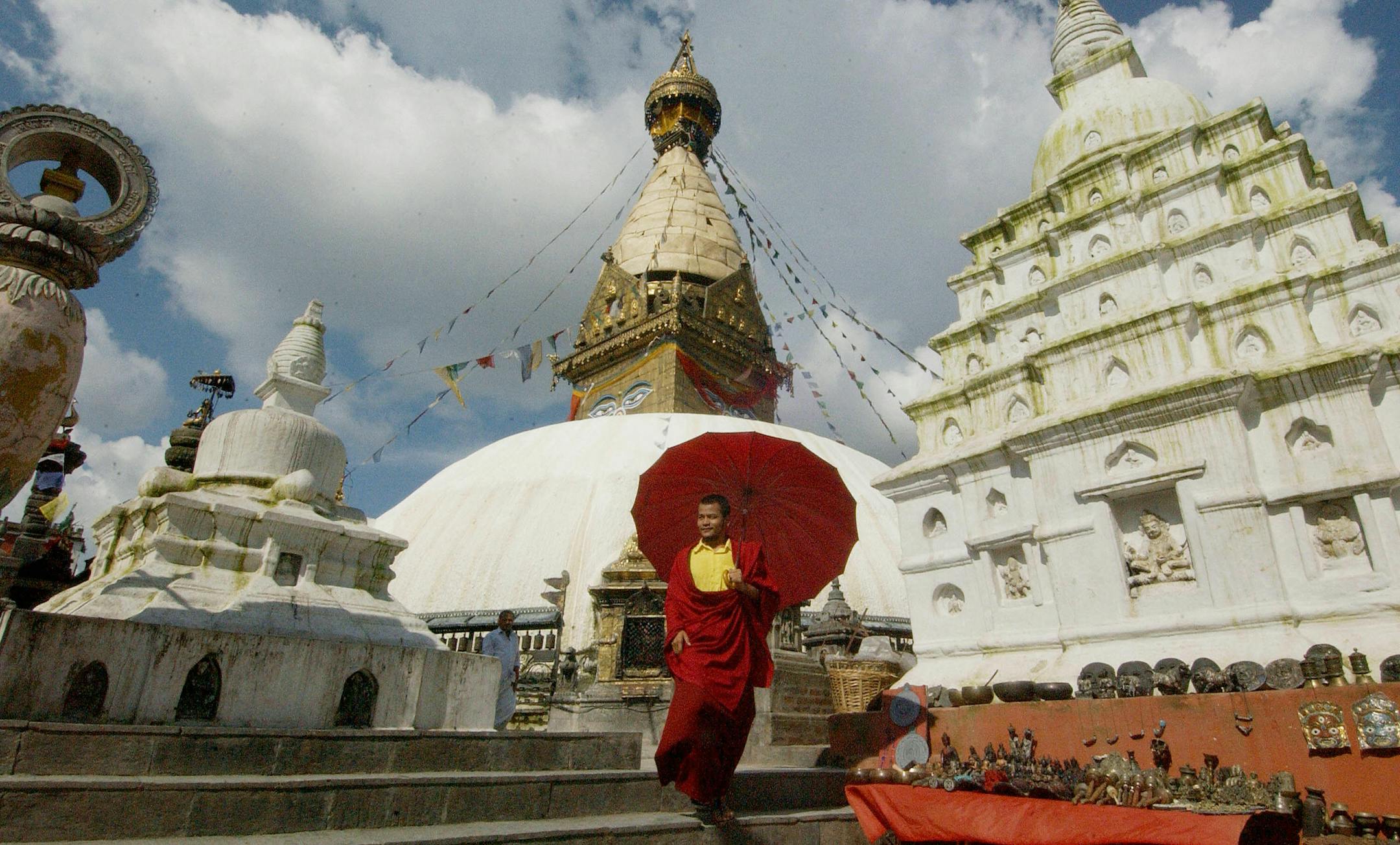
The mountains are a key part of what made Nepal a traveler's paradise as early as the 1960s, with great mountain trekking, some of the world's best whitewater for rafting and kayaking, exotic wildlife that includes elephants, tigers and rhinos, and ancient architecture so unique that it's protected by UNESCO.
Technically, Nepal is still the last Hindu kingdom in the Himalayas, but the once-powerful king has been reduced to a figurehead, after a complicated, bloody, decade-long Maoist campaign to reshape the government. An estimated 13,000 Nepalis died in the fighting, before the Maoists laid down their weapons and joined the parliament in 2006.
The Maoists did not target tourists, but as Nepali deaths rose in the countryside, tourism plummeted. Even long-established wilderness-travel companies cut back on trips and laid off staff. Dozens of smaller ones went out of business. And the ordinary people who depend on tourism -- porters on trekking routes, boatmen on the rafting rivers, hotel staff in the cities -- lost their jobs.
That made them vulnerable to Maoist recruiters, a tour operator and former tourism official told me. "Now we are trying to get them back," said Yankila Sherpa, who runs Snow Leopard Trekking out of Katmandu. "Without peace," she added, "there can be no tourism. With tourism, there may be peace."