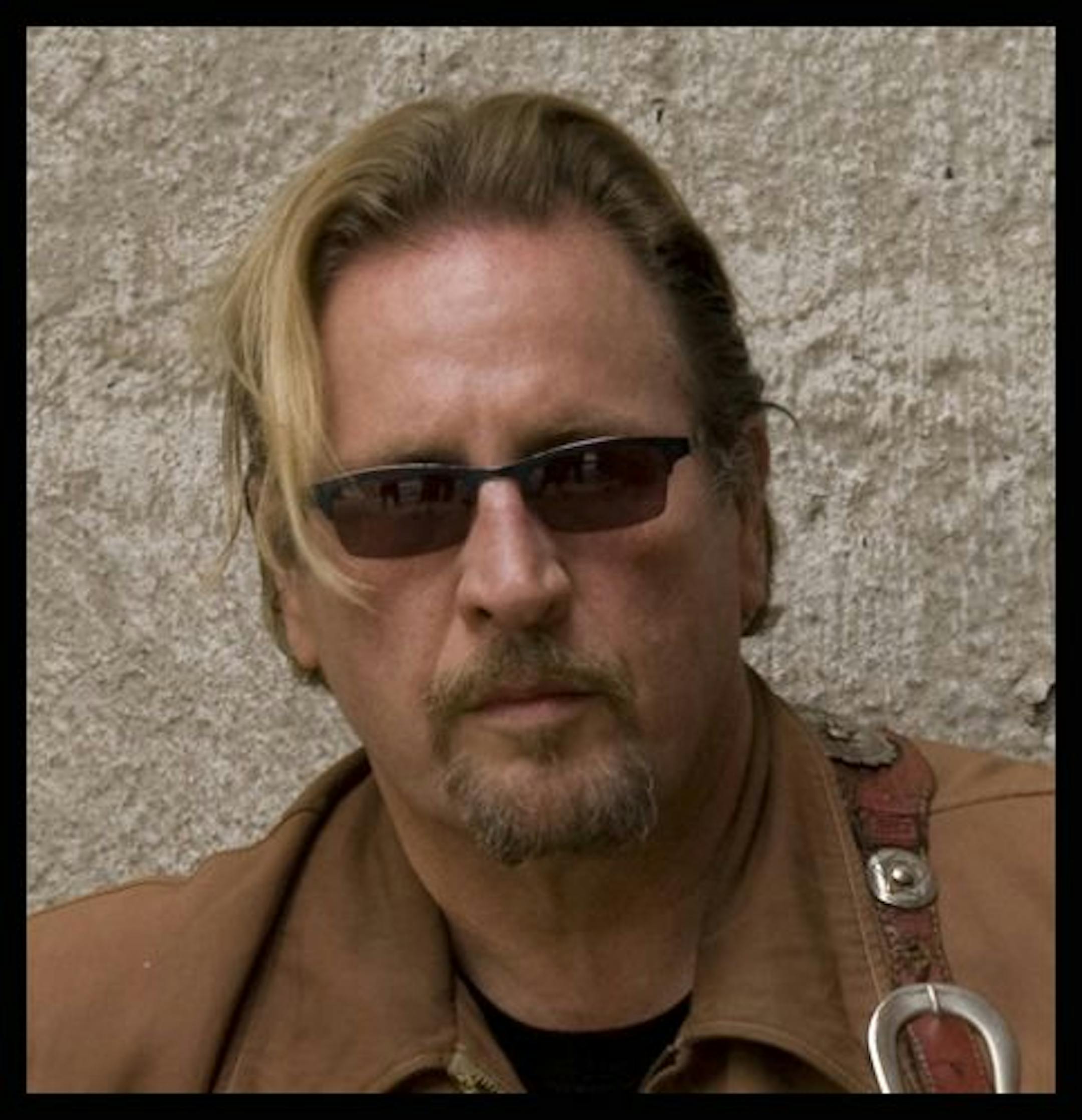
Paul Metsa's kitchen is a vignette of haphazard domesticity, as though Martha Stewart has given it up to a couple of frat boys. Pots and pans from some recent culinary experiment sit on the stove. Open boxes of Cheerios and Ritz crackers stand on the refrigerator in dangerous proximity to cat food that looks like Chex Mix.
There are a half-dozen prints on the wall that feature someone holding a guitar, and an adjacent hallway seems like a shrine to Bob Dylan, an Iron Range model for Metsa.
Metsa's buddies from Virginia, Minn., Timothy O'Keefe and John (Jack) Pasternacki, crowd around a yellow 1950s Formica table. They run through a menu of songs they plan to play at a concert Friday to celebrate Metsa's 30 years on the rough edges of the Minnesota music scene, a raconteur who became a local legend while maintaining a lingering obscurity.
For many of those years, Metsa, now 54, was known to be a back-room, after-hours kind of guy. But tonight, it's a little after 8 and all he has cooking is a pot of coffee. Half decaf.
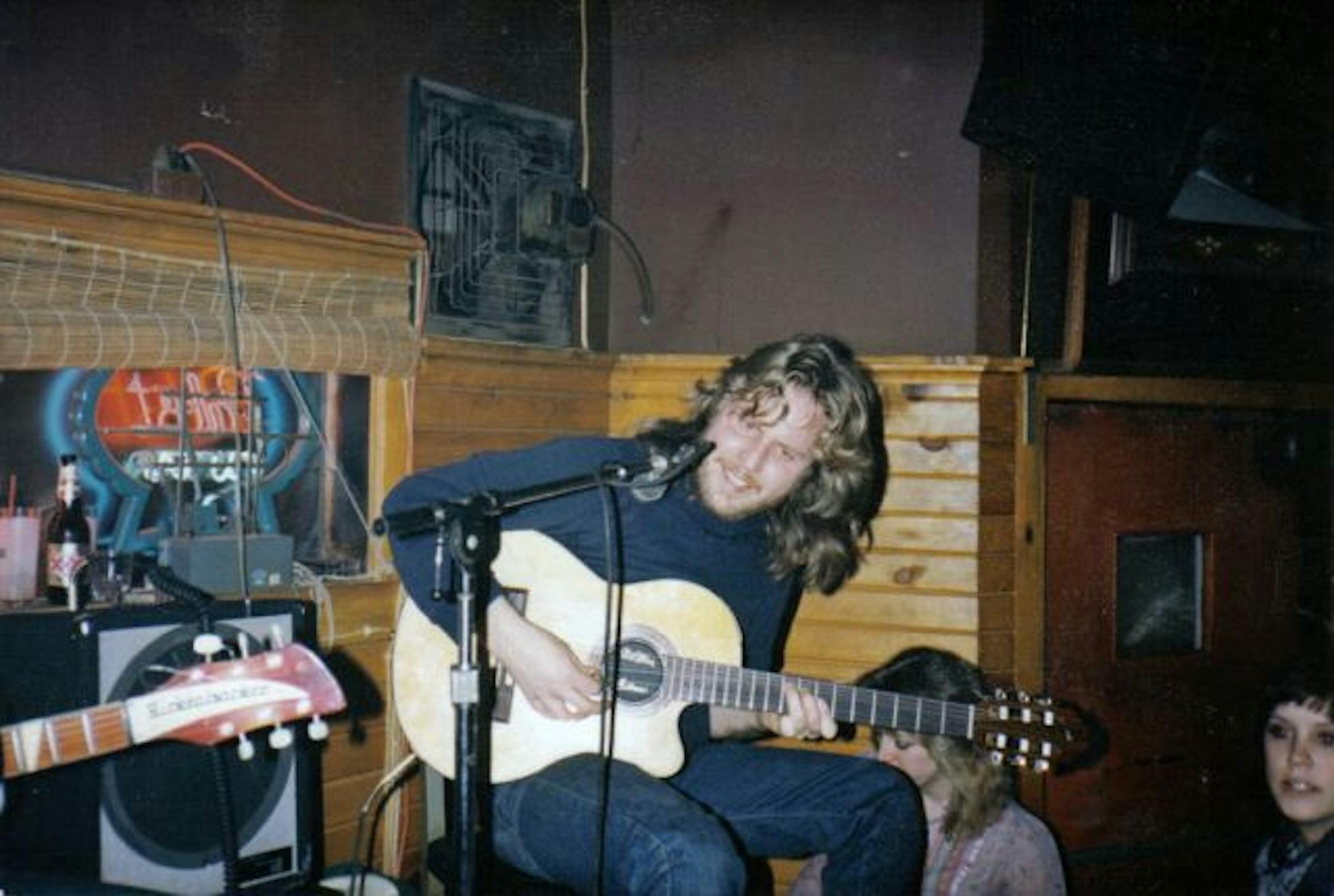
Metsa cradles his Takamine guitar and lunges into one of the old tunes they played in bars growing up on the Range, and later, in Twin Cities dives and juke joints as the band Cats Under the Stars. O'Keefe is having so much fun he's laughing. Metsa nods at Pasternacki: "Johnny, take it."
Metsa grew up in the Iron Range's boom time. The mines offered good union jobs and people had disposable income. At one point, there were more than 40 bars in four blocks in Virginia, Minn. The immigrants loved music, so Cats played a never-ending succession of gigs. They got the attention and they got the girls, but they never got rich. O'Keefe's mom called them "the fun-and-games boys."
Metsa's grandfather owned the Roosevelt Bar, and Metsa helped out as a kid while listening to Hank Williams and Johnny Cash on the jukebox. His father and mother played instruments, and the region is a populist hotbed, so Metsa melded his skills and sensibilities into a politically tinged musical thread. The first political song he wrote was in seventh grade, about the 1967, Six-Day War in the Middle East, sung to the tune of "Universal Soldier."
Eventually, Metsa sang at union rallies and DFL fundraisers, but he also voted for Arne Carlson and became friends with former Sen. Norm Coleman, a Republican, "back when you could have different political persuasions and still talk to each other with respect."