Its funny how small sample size success can frequently send a fan base atwitter.
True, Chris Parmelee posted one of baseball's best weighted On-Base Averages (wOBA) in the past month. He raked to the tune of .355/.443/.592 with four home runs and six doubles in just shy of a hundred plate appearances. And, all in all, it was one of the best September call-up performances in recent memory.
Still, it is difficult to project a player's true capabilities just based on a one-month sampling – even if you are combining it with his recent minor league track record.
To be sure, there is plenty to like about Parmelee's potential just based on his smattering of at bats this year:
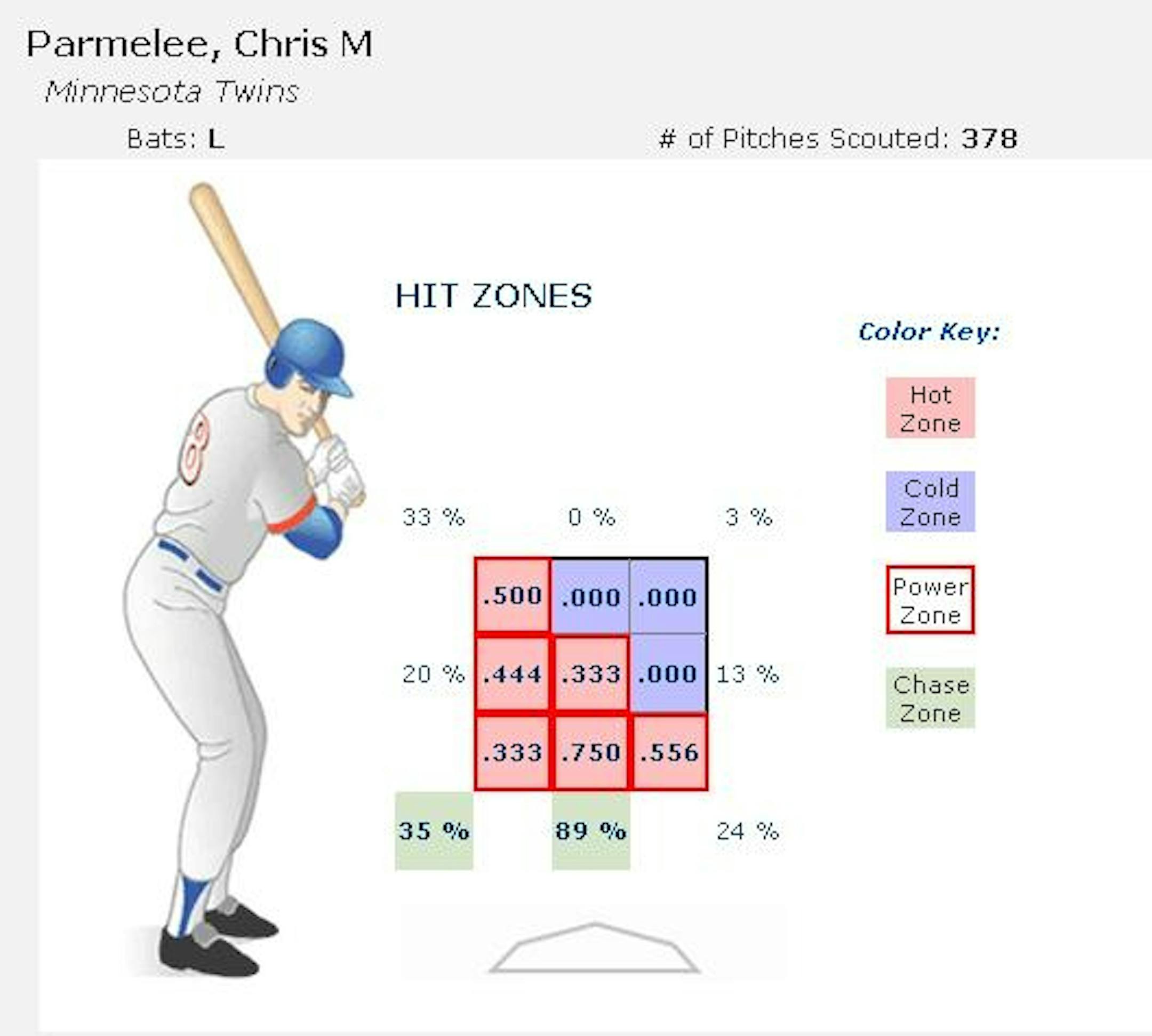
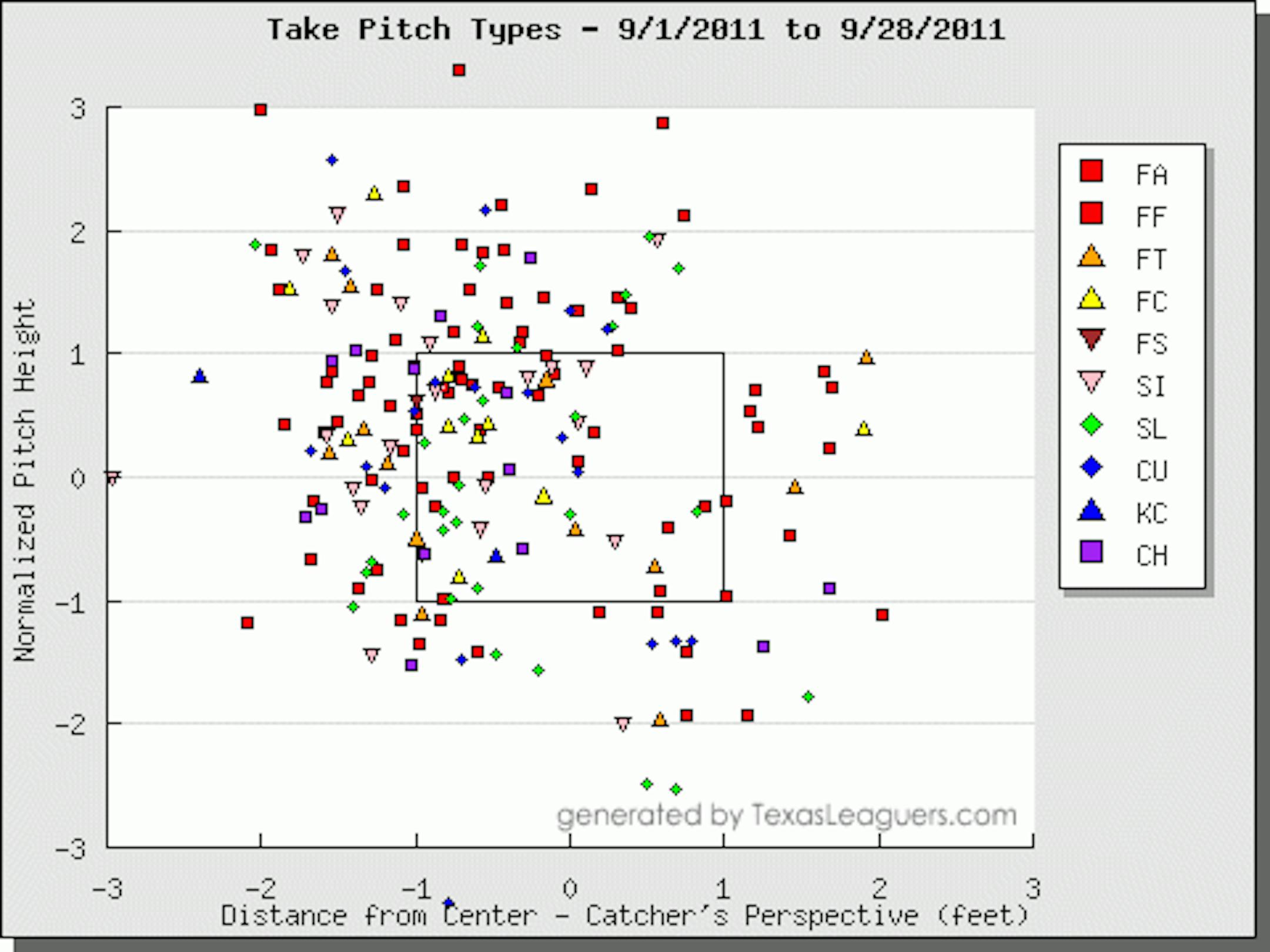
- He has shown a keen understanding of the strike zone. His 28% out-of-zone chase rate was below the league's average meaning he was not helping the pitchers' out. Because of this, he was able to draw 12 walks (compared to 13 strikeouts).
- Likewise, he keeps his hands back to handle breaking and off-speed stuff extremely well. This led to a low swing-and-miss rate of 22% on curves/sliders along with a .813 slugging percentage as several of his balls in play went for extra bases. Not chasing breaking stuff out of the strike zone will tend to result in a smaller strikeout rate.
- Mechanically, he keeps his hands inside the ball too. This has allowed him to get around quickly on the inside pitch and drive it. Keeping one's hands in can equate to more power from that leveraged position while incorporating the entire body (rather than swinging with just your arms).
These elements are solid building blocks for a fundamentally sound hitter. Additionally, Parmelee has also shown that he can make modifications too. Beginning two years ago, he axed his upper-cut swing in favor of a more leveled one. This yielded an almost immediate difference in his performance as he cut down on the amount of strikeouts and increased his line drive rate substantially:
Chris Parmelee (2008-2011)
Strikeout%