

NEW YORK — During the early years of the COVID-19 pandemic, experts worried that disruptions to cancer diagnosis and treatment would cost lives. A new study suggests they were right.
The federally funded study published Thursday by the medical journal JAMA Oncology is being called the first to assess the effects of pandemic-related disruptions on the short-term survival of cancer patients.
Researchers found that people diagnosed with cancer in 2020 and 2021 had worse short-term survival than those diagnosed between 2015 and 2019. That was true across a range of cancers, and whether they were diagnosed at a late or early stage.
Of course, COVID-19 itself was especially dangerous to patients already weakened by cancer, but the researchers worked to filter out deaths mainly attributed to the coronavirus, so they could see if other factors played a role.
The researchers were not able to definitively show what drove worse survival, said Todd Burus of the University of Kentucky, the study's lead author.
''But disruptions to the health care system were probably a key contributor,'' said Burus, who specializes in medical data analysis.
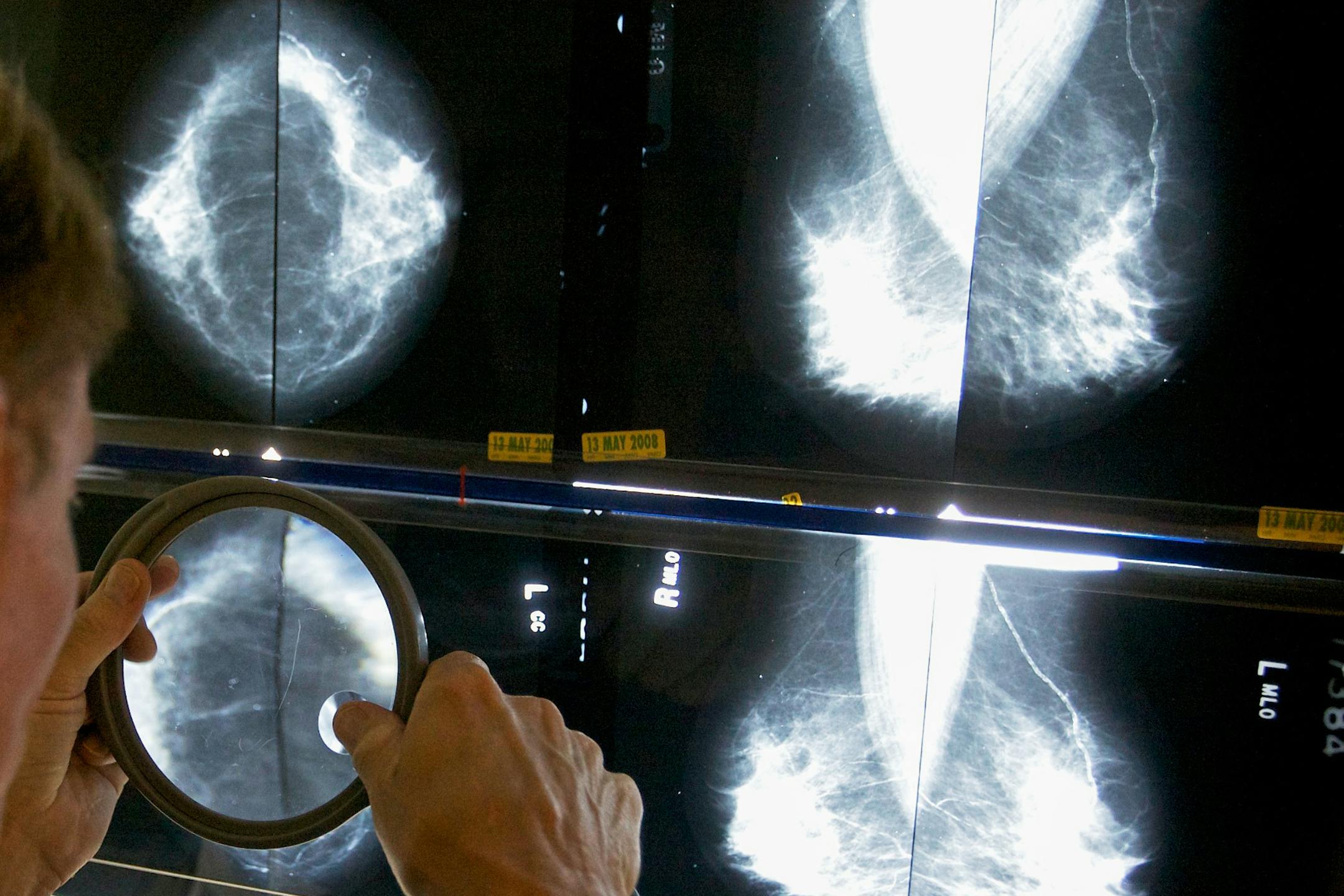
COVID-19 forced many people to postpone cancer screenings — colonoscopies, mammograms and lung scans — as the coronavirus overwhelmed doctors and hospitals, especially in 2020.
Earlier research had shown that overall cancer death rates in the U.S. continued to decline throughout the pandemic, and there weren't huge shifts in late diagnoses.
