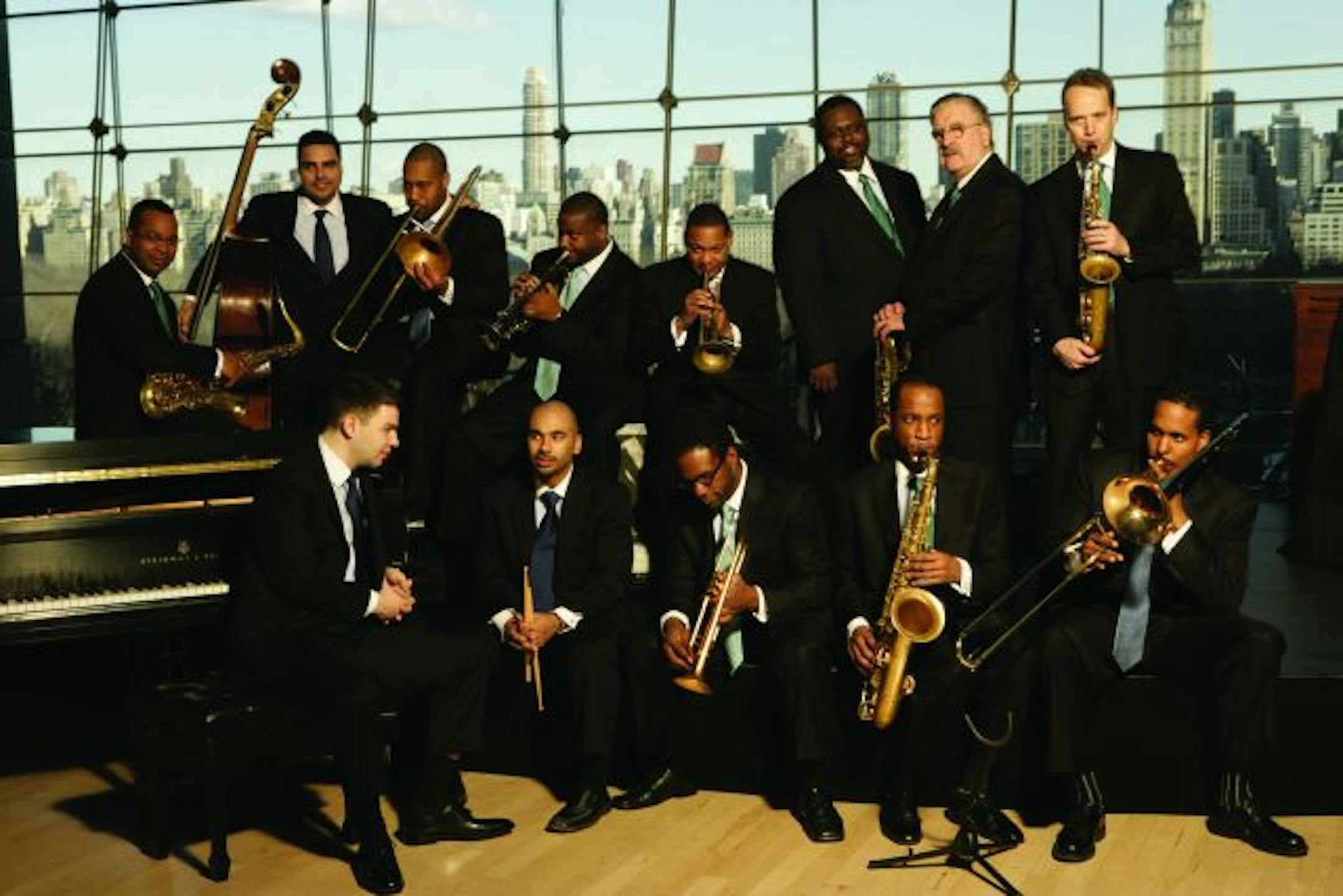
Since trumpeter Wynton Marsalis became artistic director of New York's Jazz at Lincoln Center nearly 15 years ago, the organization has developed a compelling balance between honoring the music's past innovators while replenishing that legacy with ambitious new material.
When Marsalis and his Jazz at Lincoln Center Orchestra (JLCO) plays next Sunday at Orchestra Hall, the second half of its program will be devoted to "Portrait in Seven Shades," by orchestra saxophonist Ted Nash. Each of its seven movements is inspired by iconic paintings from the 19th and 20th centuries.
The artists Nash chose -- Monet, Van Gogh, Picasso, Matisse, Dali, Chagall and Pollock -- are household names, and his distinctive interpretations may be at odds with the preconceptions of the listener, a challenge he welcomes. After a successful premiere and a smattering of performances in 2007, the work is back in the limelight with an album release backed by this national tour.
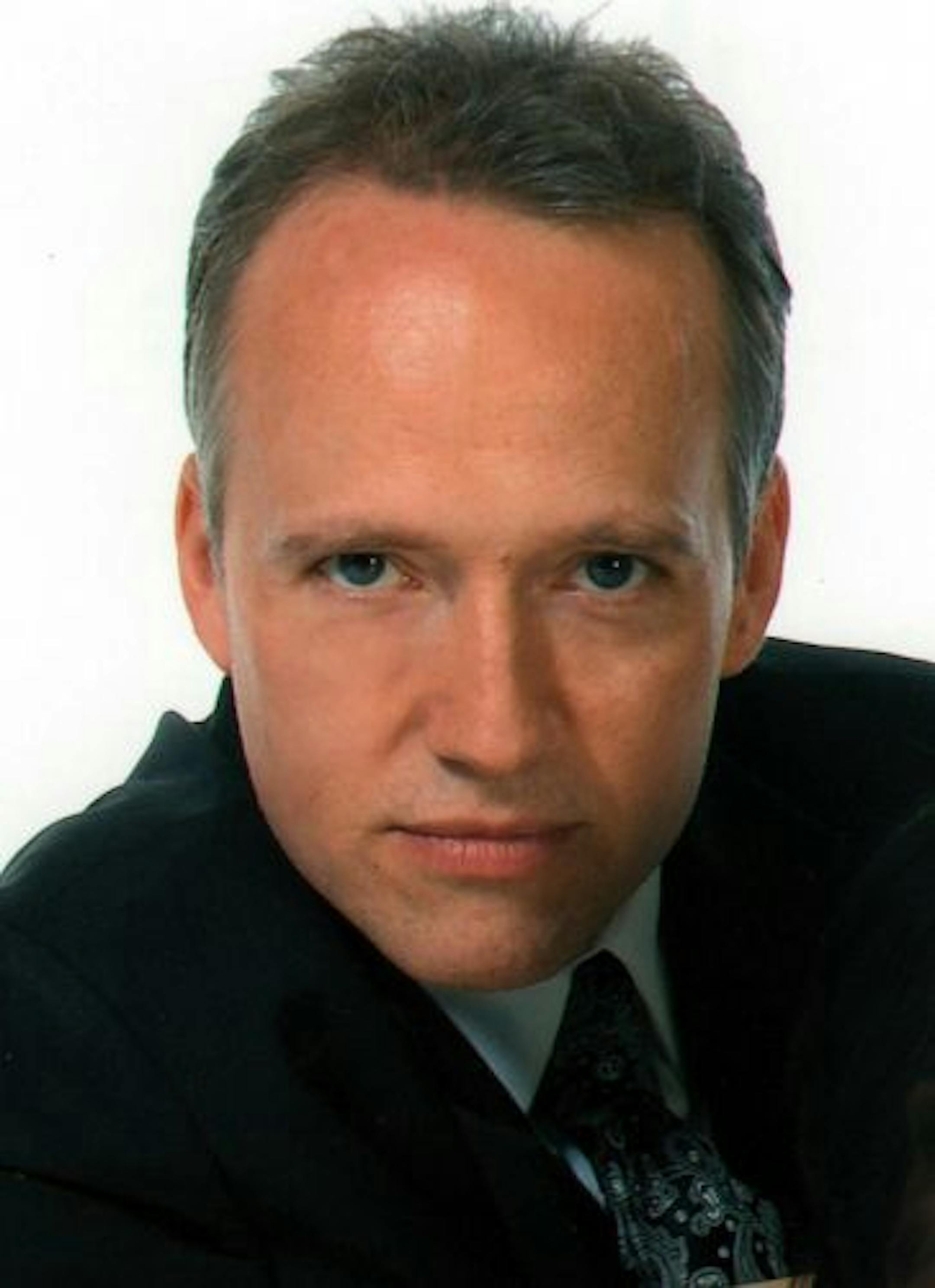
We caught up with Nash by phone to talk about "Portraits." His father and uncle were musicians involved in TV and film, and he is excited about this new chapter after a precocious career leading small jazz ensembles. "Portraits," his first major long-form piece, has since been followed by his recent recording "The Mancini Project" and an upcoming film score.
Q Obvious first question: How did this project come together?
A Over the years I have been writing a lot for the band, contributing to the repertoire. We do a lot of theme concerts -- the music of Coltrane, or Brazil or something -- and Wynton has had me do a lot of arranging. So [in 2006] he came up to me and said he wanted to commission a long-form piece, create a theme piece on whatever I wanted. I thought about what kind of thing would inspire different movements and came up with modern painters and paintings that fit in with the period of the first hundred years of jazz.
I formed a relationship with the Modern Museum of Art in New York, who were really great. They allowed me to come in whenever I wanted -- before it opened and after it closed -- and I was able to see the paintings that inspired me without a lot of distractions, in the quiet. I even brought my saxophone down and played a little bit to get a vibration off what I was doing.
Q So all of the paintings are there?