
Owls are pairing up and pitching 'hoo'

For the Minnesota Star Tribune
February 12, 2008 at 6:45PM
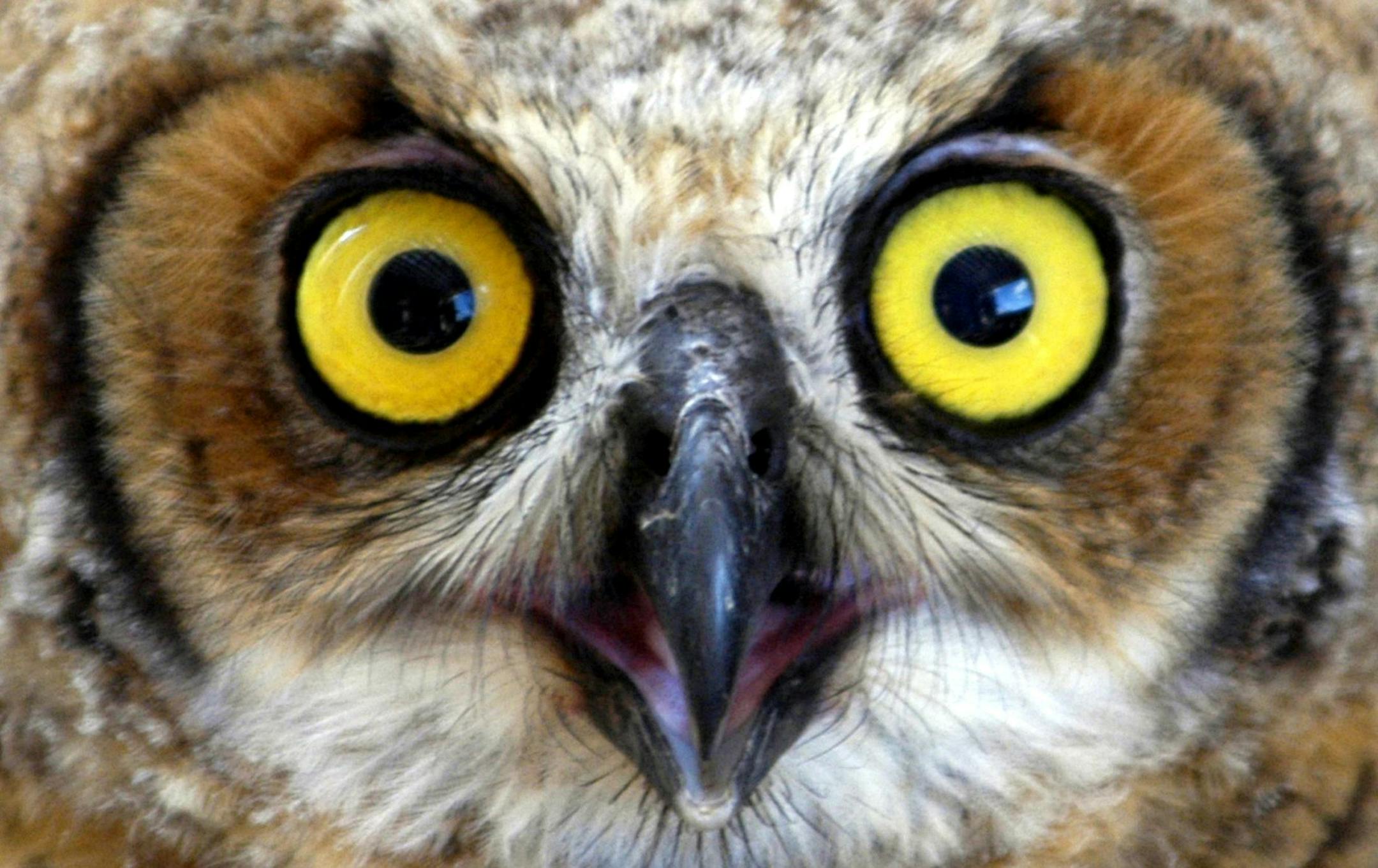
A great horned owl (this one's a juvenile) is a common resident in Minnesota.
A great horned owl (this one’s a juvenile) is a common resident in Minnesota. (Wichita Eagle/The Minnesota Star Tribune)

Q I've heard a pair of owls calling in my neighborhood several times this month. Could they be nesting this early?

A Yes. This is the time for courtship and nesting for the two owls most commonly heard in Minnesota -- the great horned owl and the barred owl.

Great horned owls often pair up in mid-January and begin nesting in February. Barred owls also are calling now, though they usually nest a bit later than the great horned owls. Because it takes fairly long for owl chicks to mature, nesting this early in the year works to their advantage.

You can learn to distinguish the birds by their calls. The call of the great horned is typically a "five hooter," while the barred owl is an "eight hooter." Each species has a high degree of variability in their calling, but if you can recognize the timbre, pitch and cadence of the call of each species, then you can recognize them by voice, even when they emit variant calls.

Address the seed mess Q What can I do about the mess underneath my bird feeders?

A Use shelled seeds or peanuts. It's more expensive, but it produces considerably less waste. You also could use a Shop-Vac to vacuum up discarded hulls or put a tarp under the feeder and let the mess accumulate. When spring arrives, simply drag the tarp away, mess and all.

Sunflower seed shells can inhibit plants (including grass) from growing, so if you want a lawn next summer, it may take some work to get lush growth in that area.

Coming south Q We've been seeing what seem like unusually large numbers of far northern birds this winter in the Rum River State Forest. We saw a snowy owl on Thanksgiving, lots of snow buntings in early winter and more recently a large flock of pine grosbeaks. Is something going on?
A The birds you mention are known for their "irruptive" behavior, or cyclical movements. Such behavior in boreal species is based largely on the availability of food -- rodents, hares and grouse for owls, fruit and berries for the grosbeaks.

Of course, the "food" has its own cycles of plenty and scarcity. These birds respond by staying in their range when food is abundant and dispersing when it's scarce. Enjoy your visitors.

This column is prepared by Minnesota Ornithologists' Union (MOU) members Mark Alt and Anthony Hertzel. To ask questions about back-yard birding for this column, call 612-673-4363 or send questions to birds@stribmail.com. Questions will be answered in the newspaper only.

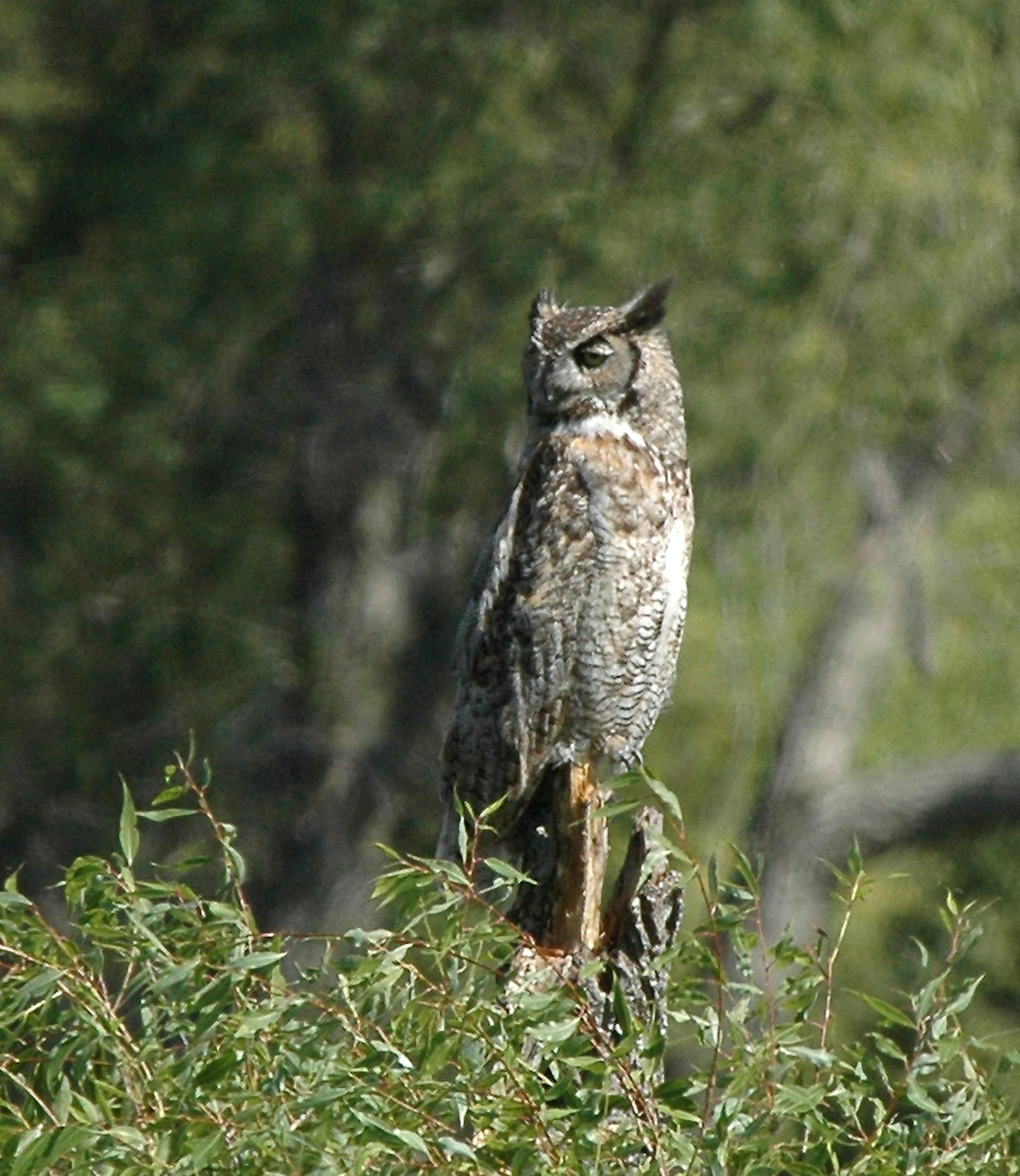
Great horned owl
Great horned owl (Special To The Star Tribune/The Minnesota Star Tribune)
about the writer

about the writer

MINNESOTA ORNITHOLOGISTS UNION

More from Minnesota Star Tribune

See More
card image
J. SCOTT APPLEWHITE, ASSOCIATED PRESS/The Minnesota Star Tribune

The "winners" have all been Turkeys, no matter the honor's name.

In this photo taken Monday, March 6, 2017, in San Francisco, released confidential files by The University of California of a sexual misconduct case, like this one against UC Santa Cruz Latin Studies professor Hector Perla is shown. Perla was accused of raping a student during a wine-tasting outing in June 2015. Some of the files are so heavily redacted that on many pages no words are visible. Perla is one of 113 UC employees found to have violated the system's sexual misconduct policies in rece