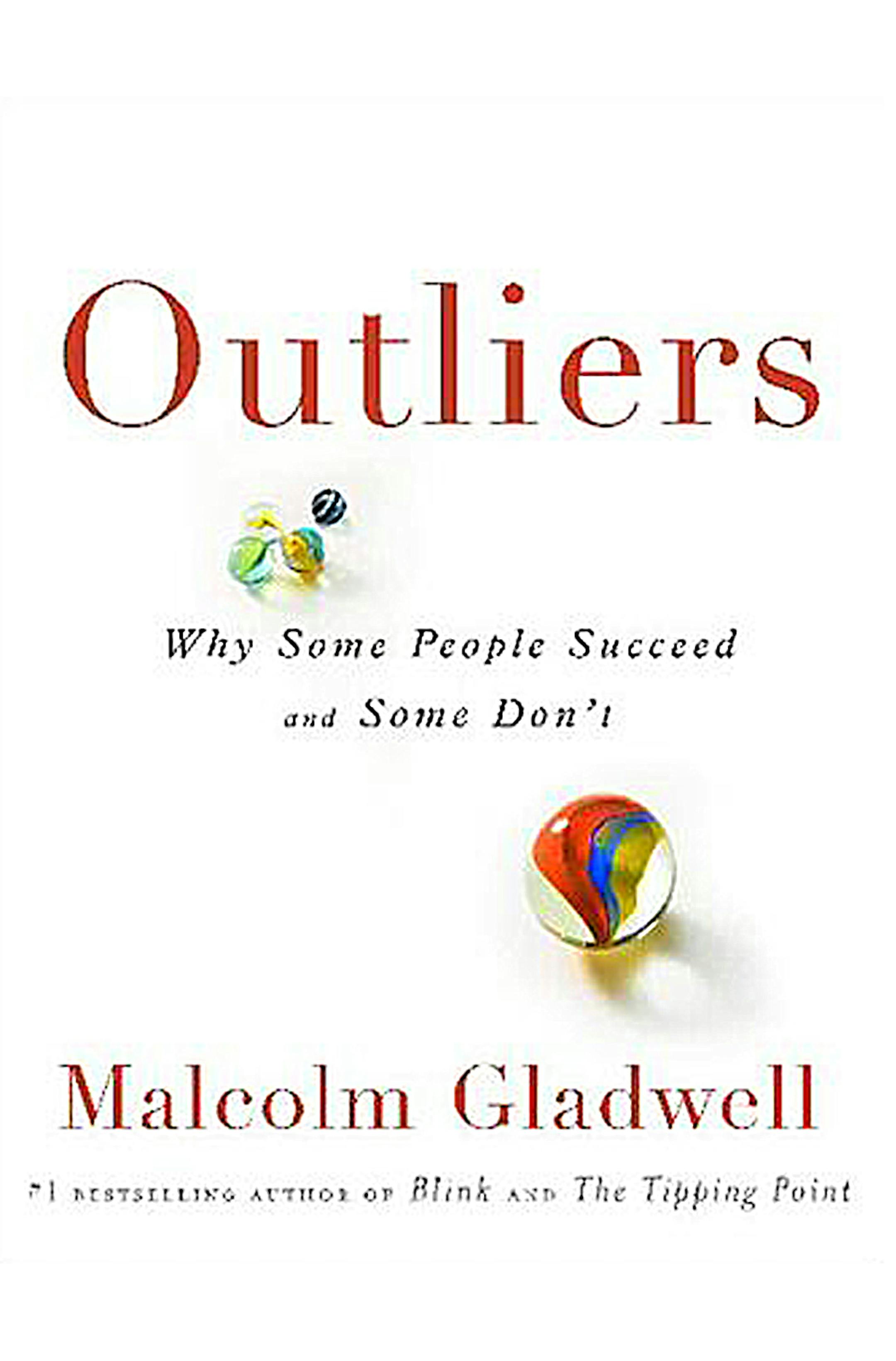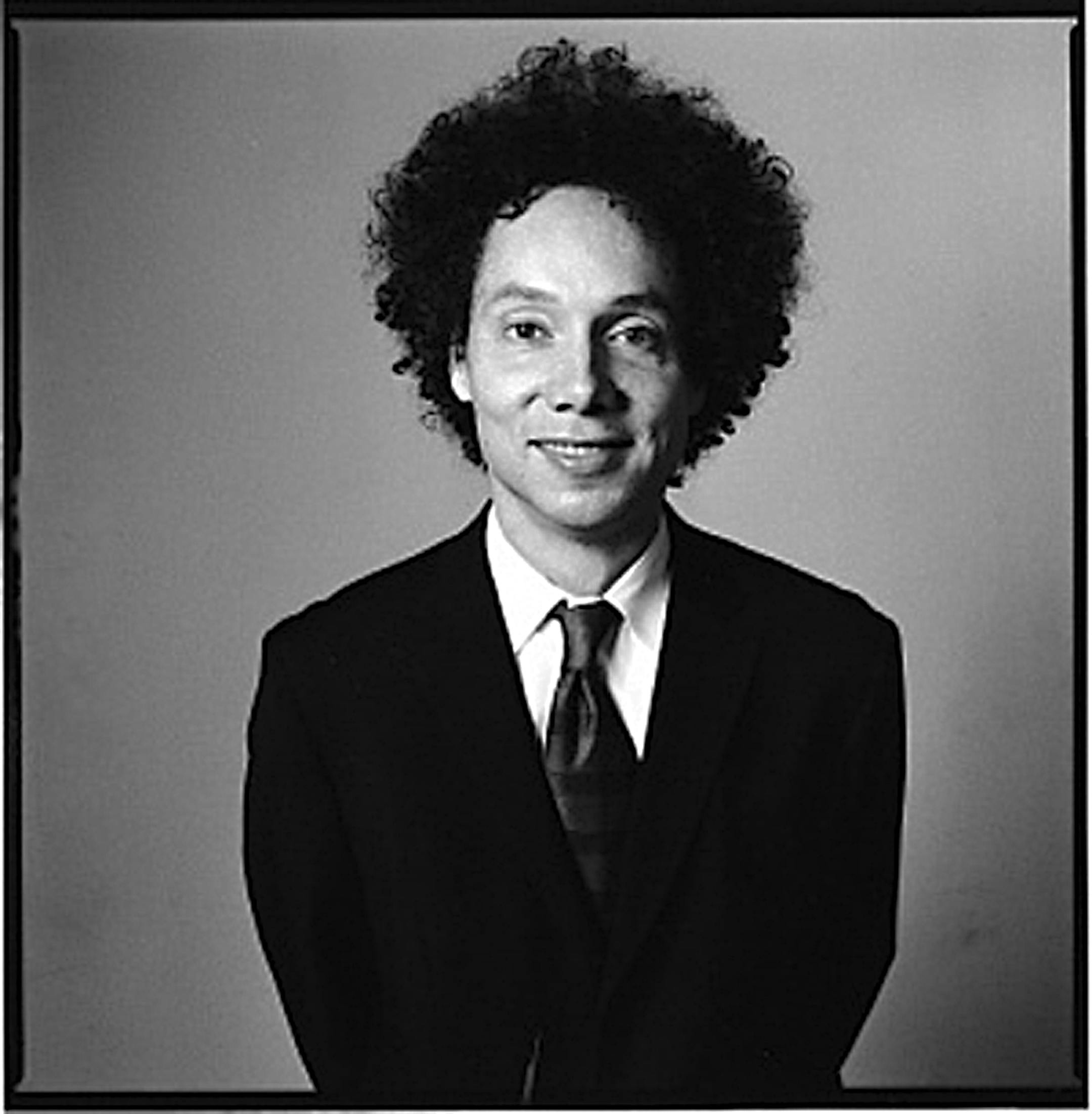
A man's neighborhood is his fate -- at least, that's what Malcolm Gladwell would have us believe. In his new book, "Outliers: The Story of Success," Gladwell argues that more than personal character, more than parental nudging, even more than some metaphysically predetermined path, our lives are designed by our surrounding societies.
He applies his philosophy to success, but really his specific subject is irrelevant; "Outliers: The Story of Failure," or "Inliers: The Story of Mediocrity" would essentially be the same book. (Indeed, he uses the same methodology to explain the Beatles' rise to fame as he does to explain a plane crash.)
The widely applicable concept is incomplete, however, and over the course of these chapters, Gladwell's definitions of success and its development become amorphous and vague, and the book itself is, ultimately, unsuccessful.
There's nothing new. Gladwell never questions that the foundations of success are hard work, ambition and ability. He is simply adding a hurdle: To attain success, these values must be placed in an agreeable temporal and societal context.
We're told that if Bill Gates hadn't honed his craft at the exact moment in time that he did -- in the leadup just prior to the technological revolution -- he wouldn't be a household name. The account of how exactly he became familiar with computers is interesting, but in the end the argument is fairly obvious, the same as if someone said Goodyear wouldn't be so successful if the wheel hadn't been invented.
As in Gladwell's previous studies, "Blink" and "The Tipping Point," the anecdotes are dazzling and the data uncanny. We read about a bloody, generations-old feud in Harlan, Ky., and learn why 40 percent of professional hockey players are born between January and March. Still, he's endeavoring to define an intangible entity in finite terms -- attempting to break down success into statistics and algorithms -- which is like trying to capture the ocean with a butterfly net.
Perhaps it's telling that the book starts out with a dictionary definition of the word "outlier," but that no single definition of the word "success" is to be found.
When Gladwell classifies a successful person as someone who has greatly impacted society -- Gates or J.P. Morgan -- there's no mention of personal fulfillment; when he speaks of success as something that's personally rewarding, as in the story of an impoverished schoolgirl who is forging her own path to college, the societal measure is neglected.