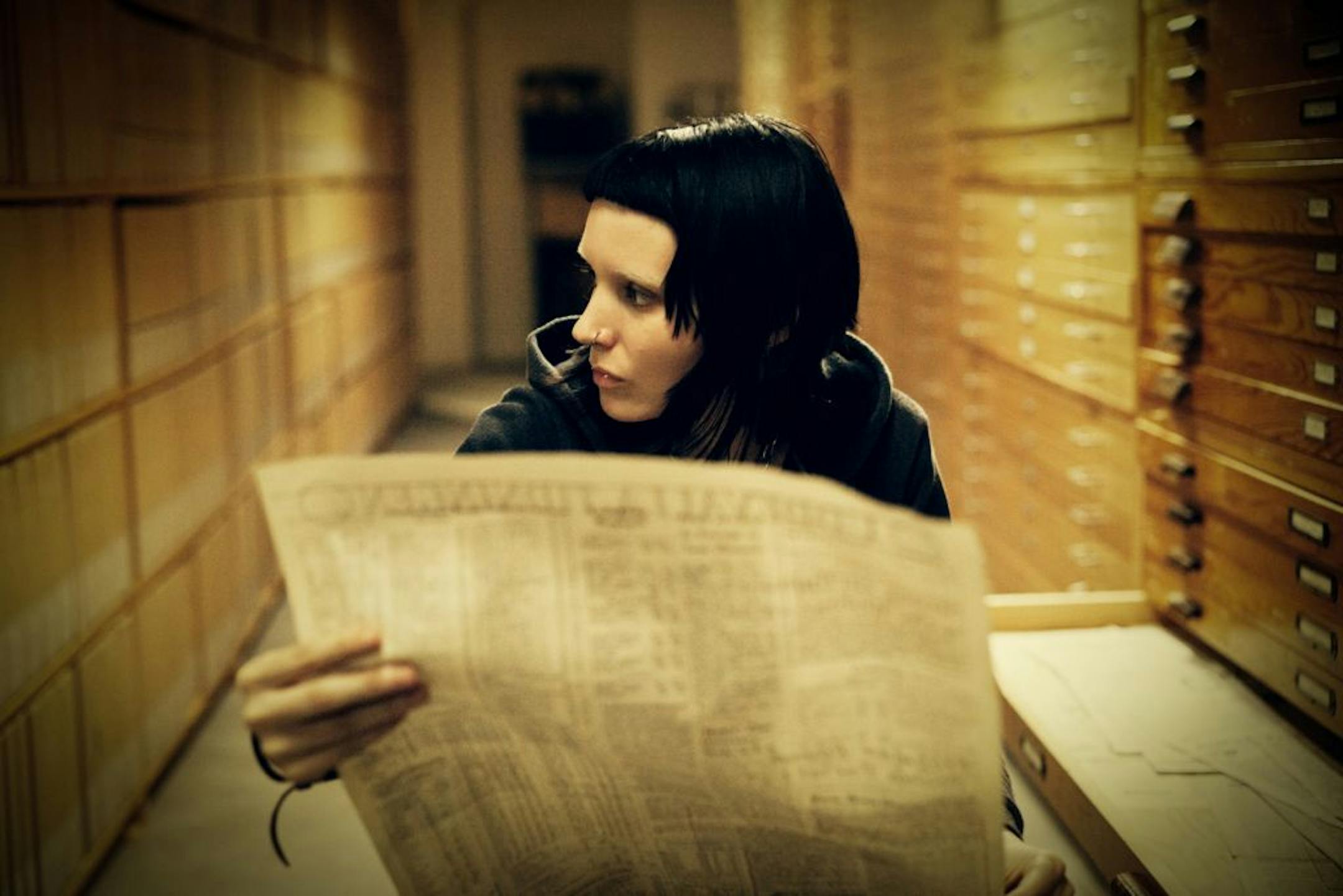
"It's the death of shadows!" a gaffer, i.e., movie-set electrician, said to a friend of mine. He was decrying how the digital filmmaking revolution had compromised the image quality (not to mention his own freelance employment) in feature filmmaking.
The death of shadows. That phrase, however hyperbolic, stuck with me. Could this be true? Is digital filmmaking really eliminating the sort of supple, evocative, high-contrast light and shadow we learned to take for granted on 35mm film?
Though it's too early to call the coroner, and though digital cameras improve by the hour, I do wonder what we're losing as film rapidly recedes into our cultural memory, taking with it a richness of imagery that digital may yet match.
Some images are unthinkable on anything other than film. In the finale of "War Horse," the Devonshire sunset casts its glow on a family reunion. The scene is composed visually to look deliberately artificial -- as intense and expressive as similar sequences in "Gone With the Wind." Buy it or reject it, the 35mm imagery created by director Steven Spielberg and his longtime cinematographer, Janusz Kaminski, would be virtually unimaginable with even the fanciest digital equipment.
That finale, Kaminski told me in an e-mail exchange, may have been staged and lit to resemble a Hollywood soundstage, but it's a fake-out. It was shot on location with the reddest filters available. The material, Kaminski said, is "sentimental," and "the photography is right there with the story."
On the other hand ...
Now take a look, for extreme contrast's sake, at "The Girl With the Dragon Tattoo." Like director David Fincher's previous picture, "The Social Network," the brooding, sinister, Sweden-set thriller was shot using digital RED cameras by cinematographer Jeff Cronenweth. In a recent phone interview Cronenweth defied the average moviegoer to detect a loss of detail and atmosphere in either of Fincher's most recent projects.
The death of shadows? "Completely not true at all," he says. He notes that "there's a naive notion that because digital is faster, it's easier to do and you can settle for available light and it all becomes reality TV. But that's not the case at all. You still have the photographic principles that apply to film across the last century." A fastidious image-maker with a penchant for dank, dark-mustard visual tones, Fincher understands the care required to light both exteriors and interiors with digital cameras, Cronenweth said.