
Out of the pollen, into the dust mites

Cold weather means little relief for most allergy sufferers. The beginning of heating season means a shift from outdoor allergens to indoor ones.

October 9, 2012 at 8:46PM
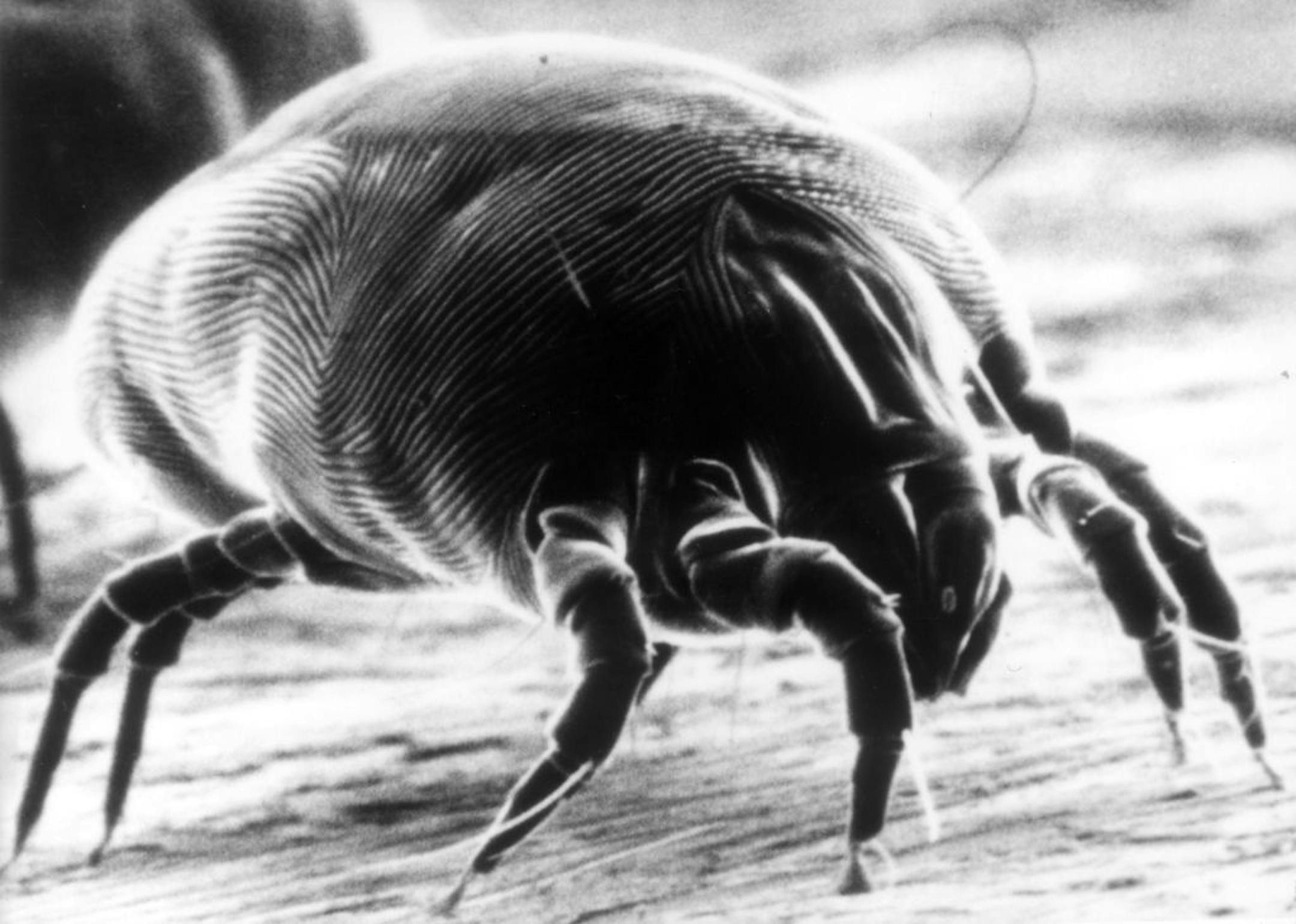
Dust mite / for Beth T. / Buyer's Edge and Variety
Dust mite (Handout/The Minnesota Star Tribune)

OK, allergy and asthma sufferers. After an extraordinarily long and severe season of wind-blown pollen, spores and mold that started in early March, at last the end is near.

Unfortunately, relief for most will be pretty much nonexistent.

That's because the outdoor agony is shifting to indoor suffering -- dust mites, mold, pet dander -- for the 1 million or so affected Minnesotans.

"It's been very intense, much more than is typical," said Dr. John Sweet, an allergist at Hennepin County Medical Center and Fairview Clinics, in Wyoming, Minn. "We've had more people, and more people in crisis, and there really hasn't been a letup all season."

The season began in early March -- two weeks earlier than normal -- with warm, wet weather that triggered pollen from maples, elms and birches, followed by allergens from grass, with mold spores and finally ragweed, dust and other late-season irritants tossed into the airborne mix.

The outdoor season is just now ending, about two weeks late -- and without the usual lull in July, allergists said.

This summer's combination of wet, hot and then dry weather hiked the pollen count, triggering stronger allergic reactions in many people, experts said.

"We got busy early and we've been going 100 percent ever since," Sweet said. "I don't remember a season like this."

For many, the coughing, sneezing, wheezing, runny noses and itchy eyes start when the body's immune system senses the irritants invading the nose and airways, then releases antibodies that normally target disease-causing organisms such as bacteria and viruses. The antibodies trigger release of histamines, and those chemicals trigger the symptoms.

But Twin Cities allergy sufferers usually get a two- or three-week respite starting in late September -- even if, like this year, there hasn't been a hard freeze by then -- said allergist Dr. S. Scott Nicholas at the Eisenstadt Allergy and Asthma Clinic in Minneapolis. "That's ending, but with furnace weather just starting, the indoor allergy season is picking up."

The good news about the cold-weather season is that allergic responses tend to be steadier than during the summer, with fewer patients in crisis, the allergists said.

And a small portion of summer-allergy patients "will get significant relief pretty soon" because they have only modest or no problems with indoor irritants, Nicholas said.

But most will continue to suffer into the winter. There are a few ways they can prepare for the dust motes and mites of winter.

The main goal is to keep indoor air as clean as possible by using a high-efficiency particulate air (HEPA) filter with forced-air furnaces, and adding air cleaners in bedrooms or other places where people spend much of their time.

In addition, keep pets well groomed to reduce dander in the air, use allergen covers on pillows and other bedding, keep floors clean and consider replacing carpets with hardwood floors that are easier to clean, Sweet suggested.

"Most people with allergies know what to do, how to prepare for the indoor season," Sweet said. "But it's a good idea to think it through again. The season is starting."

Warren Wolfe • 612-673-7253

about the writer

about the writer

WARREN WOLFE, Star Tribune

More from Minnesota Star Tribune

See More
card image
J. SCOTT APPLEWHITE, ASSOCIATED PRESS/The Minnesota Star Tribune

The "winners" have all been Turkeys, no matter the honor's name.

In this photo taken Monday, March 6, 2017, in San Francisco, released confidential files by The University of California of a sexual misconduct case, like this one against UC Santa Cruz Latin Studies professor Hector Perla is shown. Perla was accused of raping a student during a wine-tasting outing in June 2015. Some of the files are so heavily redacted that on many pages no words are visible. Perla is one of 113 UC employees found to have violated the system's sexual misconduct policies in rece