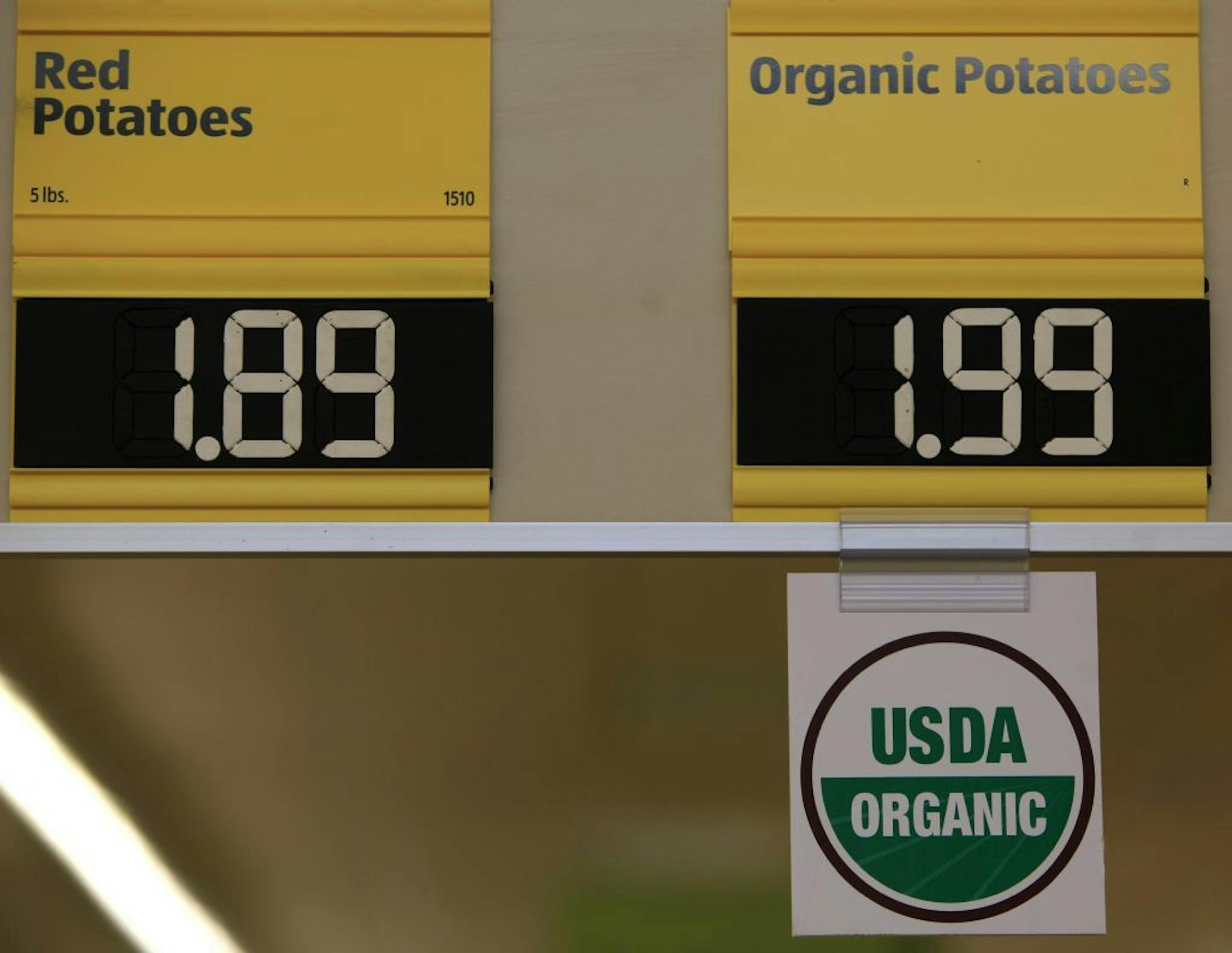
Organic or conventional? It's a choice many grocery shoppers are faced with, over and over. The price difference is easy to see; it's right there on the product. The quality difference is much murkier. Is organic milk better for your kids? Is conventional lettuce more likely to carry pathogens? Here's a rundown of the evidence on nutrition and contamination levels for organic and conventional products.
MILK
Nutrition: Compared with conventional milk, organic milk has higher levels of omega-3 fats, which protect against heart disease and may decrease the risk of depression, stroke, cancer and other diseases, but the quantities are too small to be very meaningful. (It takes 11 quarts of organic milk to equal the omega-3s in four ounces of salmon.)
Contamination: Neither organic nor conventional milk contains antibiotics. By law, every truckload of milk, organic and conventional, is tested for veterinary drugs, including antibiotics, by trained dairy workers. Any load that tests positive is pulled out of the food supply.
Hormones: Many conventionally raised dairy cows, unlike organic ones, are injected with bovine growth hormone to increase milk production. The problem isn't the hormone but rather a compound called insulin-like growth factor (IGF-I). Both organic and conventional cows have IGF-I in their milk, but cows that get hormone treatment may have more of it. Some research has linked IGF-I to cancer. The American Cancer Society decided in 2011 the evidence is inconclusive.
Bottom line: Exposure to pesticides, contaminants or hormones is not a significant risk in either organic or conventional milk.
PRODUCE
Nutrition: Many studies have compared the vitamins, minerals, macronutrients and other compounds in organic and conventional produce, and a 2012 review concluded that the results were all over the map. Phosphorus content in organic produce is higher, although it's "not clinically significant." Phosphorus helps build strong bones and teeth.
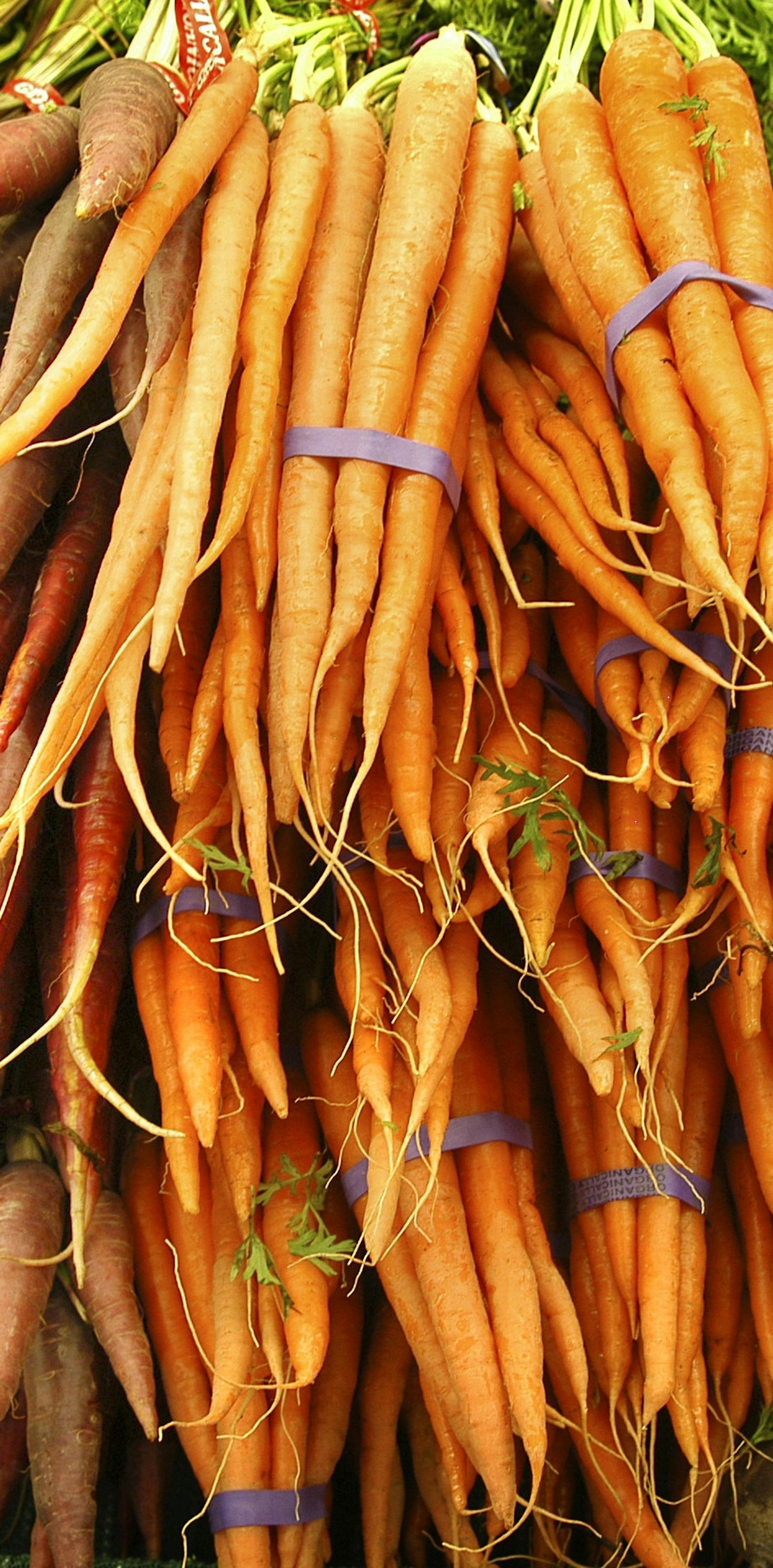
Contamination: There is widespread agreement that organic produce, while not pesticide-free, has lower residue levels and fewer pesticides. But the Environmental Protection Agency has found that lifetime risk of adverse health effects from low-level exposure to pesticide residue on produce is far below even minimal health concerns. Snap beans, watermelon, tomatoes and potatoes are likely to have higher residues. If you're pregnant or feeding small children, you may want to consider organic versions of those foods. The best strategy to reduce risk from produce isn't to buy either organic or conventional. Rather, it's to thoroughly rinse and cook your food. It's worth noting that leafy vegetables, led by lettuce and spinach, are the No. 1 cause of food-borne illnesses.
Bottom line: There is likely no significant nutritional or proven contaminant difference between organic and conventional produce.