

One of the cherished memories of Neville Marriner's reign as music director of the Minnesota Orchestra came in his last season, a performance of William Walton's score for the revered Laurence Olivier film of Shakespeare's "Henry V." Christopher Plummer enacted some of the key speeches, playing both King Henry and the dying Falstaff in the collaborative work.
This is material that touches English audiences of all ages. Shakespeare's Henry served to embody notions of honor and courage that meant a great deal to England during the dark days of World War II, when the film was released. And Marriner had a special connection to the film and its music. As a young freelance violinist in London, long before he took up a baton, he had played on the original soundtrack.
The score and parts were lost, however. The film company had destroyed them. So in 1985, Marriner used what was at hand, the five-part suite arranged by Muir Mathieson, who had conducted the soundtrack. Five years later, in 1990, he premiered and recorded, again with Plummer, a much-expanded reconstruction of the score by the composer Christopher Palmer titled "A Shakespeare Scenario" that utilizes two choruses and orchestra. Marriner and Plummer presented that version here in the spring of 2003.
Audiences here, in other words, have considerable familiarity with the various concert versions of "Henry V," which seems an appropriate choice to open the Minnesota Orchestra's Shakespeare Winterfest this weekend. The series continues next week with Osmo Vänskä conducting "Romeo and Juliet" themes and runs through Feb. 21, when Vänskä conducts Sibelius' rarely heard score for "The Tempest."
Given the history here with Marriner and Plummer, the performance of the "Henry" music at Orchestra Hall Thursday morning could only seem pallid and all too brief.
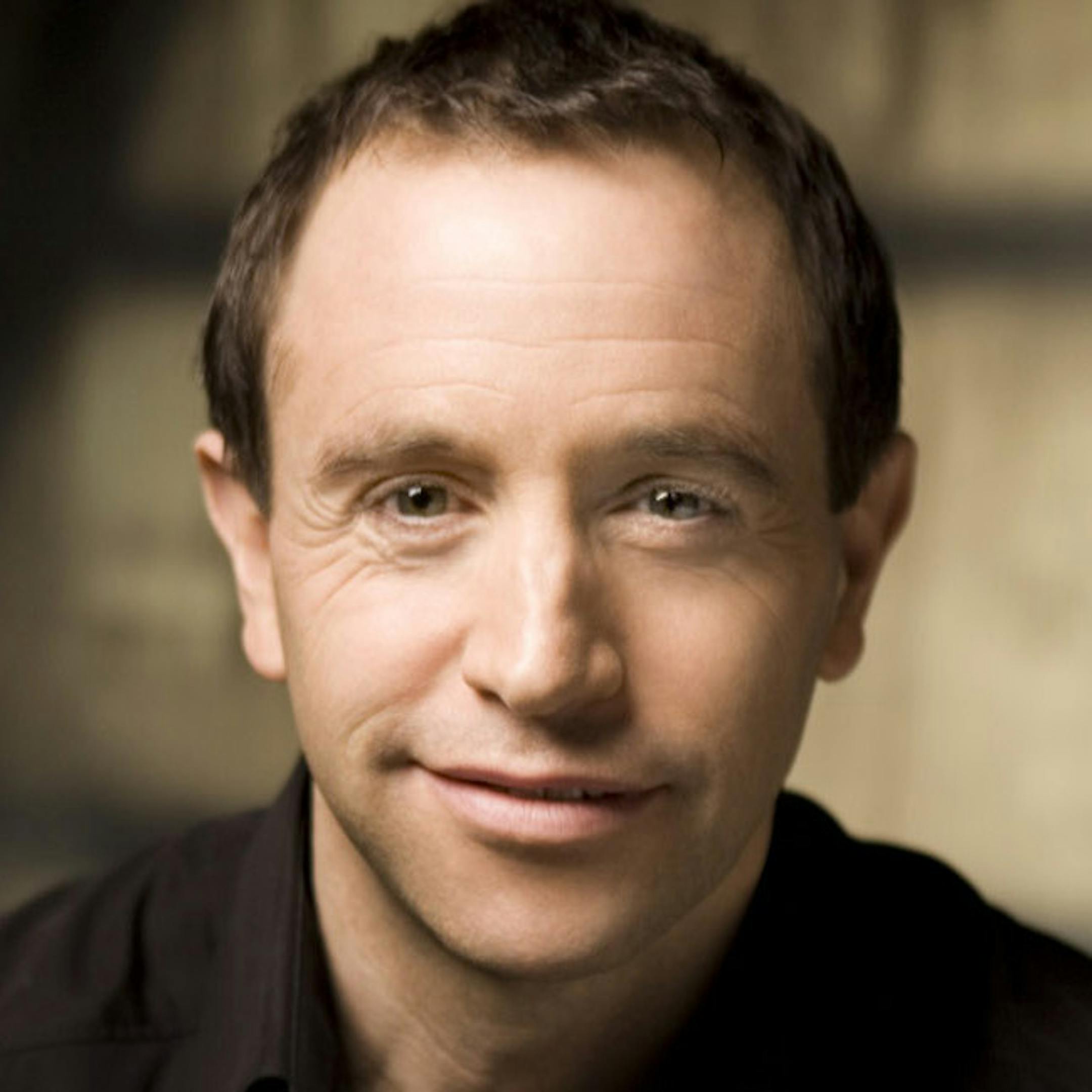
Conductor Mark Wigglesworth and actor Samuel West went back to the original Mathieson suite, which, even with the lines added from the play, we can't help hearing by now as a mere fragment of Walton's brilliant score.
To be sure, what the audience heard Thursday was capably done.
Wigglesworth drew a bright, sonorous performance from the orchestra, and West, who should have been miked, is obviously an experienced Shakespearean. But the whole presentation, feeling incomplete, lacked atmosphere and weight. (A program insert of the text would have been helpful, too.)


