

There was no shortage of preliminaries Thursday morning in Orchestra Hall. A rousing rendition of the national anthem -- the audience sounded particularly robust -- ushered in the Minnesota Orchestra's 106th season. To mark the state's sesquicentennial, an attractive new arrangement by Steve Heitzeg of Truman Rickard's "Hail! Minnesota" was premiered. And not least, concertmaster Jorja Fleezanis, who leaves the orchestra next May for a professorship at Indiana University, was greeted with a standing ovation when she walked out on stage.
Fleezanis' departure, announced Tuesday, shouldn't come as a shock. She has held the chair for 20 years -- longer than any of her predecessors. But it's not at all clear that Minnesotans (this one included) are ready to see her go. And her brilliant playing Thursday in the "moto perpetuo" variation of Alberto Ginastera's "Variaciones concertantes" -- perhaps the best, surely the least-known piece on the program -- offered a poignant reminder of what we're losing.
Led by music director Osmo Vänskä, Thursday's concert was devoted to music of and about Spain and Spanish America. It began with a sun-drenched account of Emmanuel Chabrier's ebullient "España" -- among the most successful of the many works by French composers that draw on the exoticism and eroticism of Spain. (Think Debussy and Ravel. Or think Georges Bizet, who penned "Carmen," the archetypal "Spanish" opera, without ever setting foot on Spanish soil.) The orchestra, despite its recent break, was in its groove; Vänskä's conducting was kaleidoscopic, propulsive, and, when appropriate, sly.
The Brooklyn-born, French-trained Aaron Copland placed "El Salon México," his infectious evocation of a Mexico City dance hall, squarely within the Chabrier tradition. More inviting than any travel poster, the piece tempts the listener to pack a bag and head for the airport. In Vänskä's hands it made a lively closer.
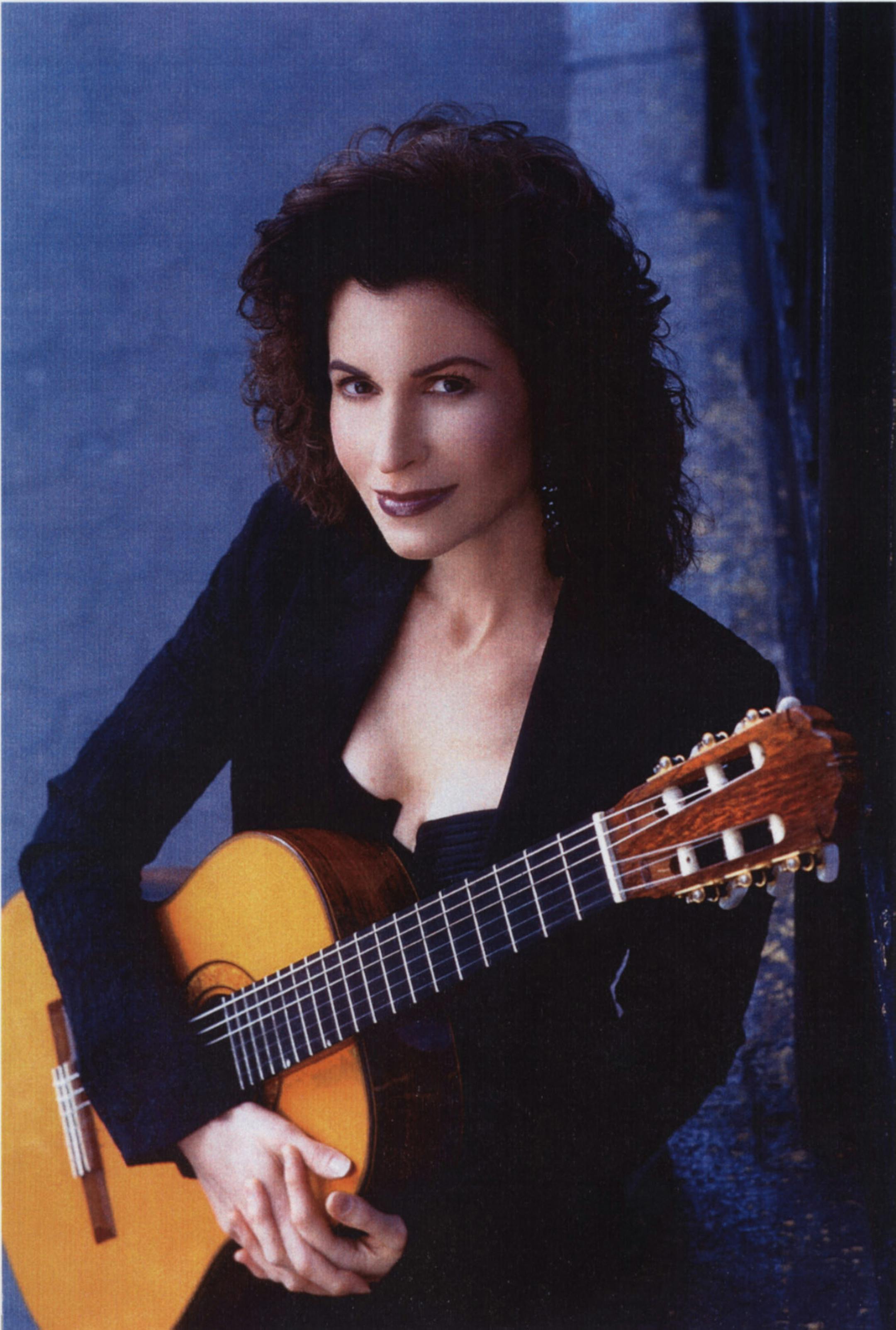
Between Chabrier and Copland came Ginastera (Argentina's finest composer, rivaled only by his pupil Astor Piazzolla), Manuel de Falla (less than ideally represented by three dances from his "Three-Cornered Hat") and Joaquín Rodrigo, whose "Concierto de Aranjuez" (written in Paris) made an alluring vehicle for the distinguished Minnesota-grown guitarist Sharon Isbin.
Isbin knew Rodrigo (1901-1999) for some 20 years, and it shows. Though slightly overamplified for my taste, she reveled in the colors and rhythms of Rodrigo's plaintive Adagio. So did English horn player Marni Hougham, who deserves a concerto of her own.
Larry Fuchsberg writes frequently about music.


