JUNEAU, Alaska — Daniel Bowen came to Alaska in 2011, looking for adventure and opportunity. He and his wife eventually settled on the Kenai Peninsula south of Anchorage, a salmon fishing haven calling itself "Alaska's Playground."
But the Bowens, both teachers, recently returned to their native Michigan. After years of stress over delayed state budgets, their breaking point, he said, was Gov. Mike Dunleavy's proposed reductions to K-12 spending and health and social service programs.
"We started to realize that Alaska isn't turning out to be where we want to raise our kids," Daniel Bowen said, adding later: "As much as we loved Alaska, we can only take so much, we can only take so much uncertainty."
The state has been roiled by a budget dilemma linked to its uneasy reliance on oil, bringing a reckoning that has scrambled traditional political alliances. For decades, Alaska binged on infrastructure and community projects when oil prices were high and cut spending and closed facilities when they weren't. This time, prices haven't boomed and after years of drawing down savings and cutting expenses, state leaders face tough decisions.
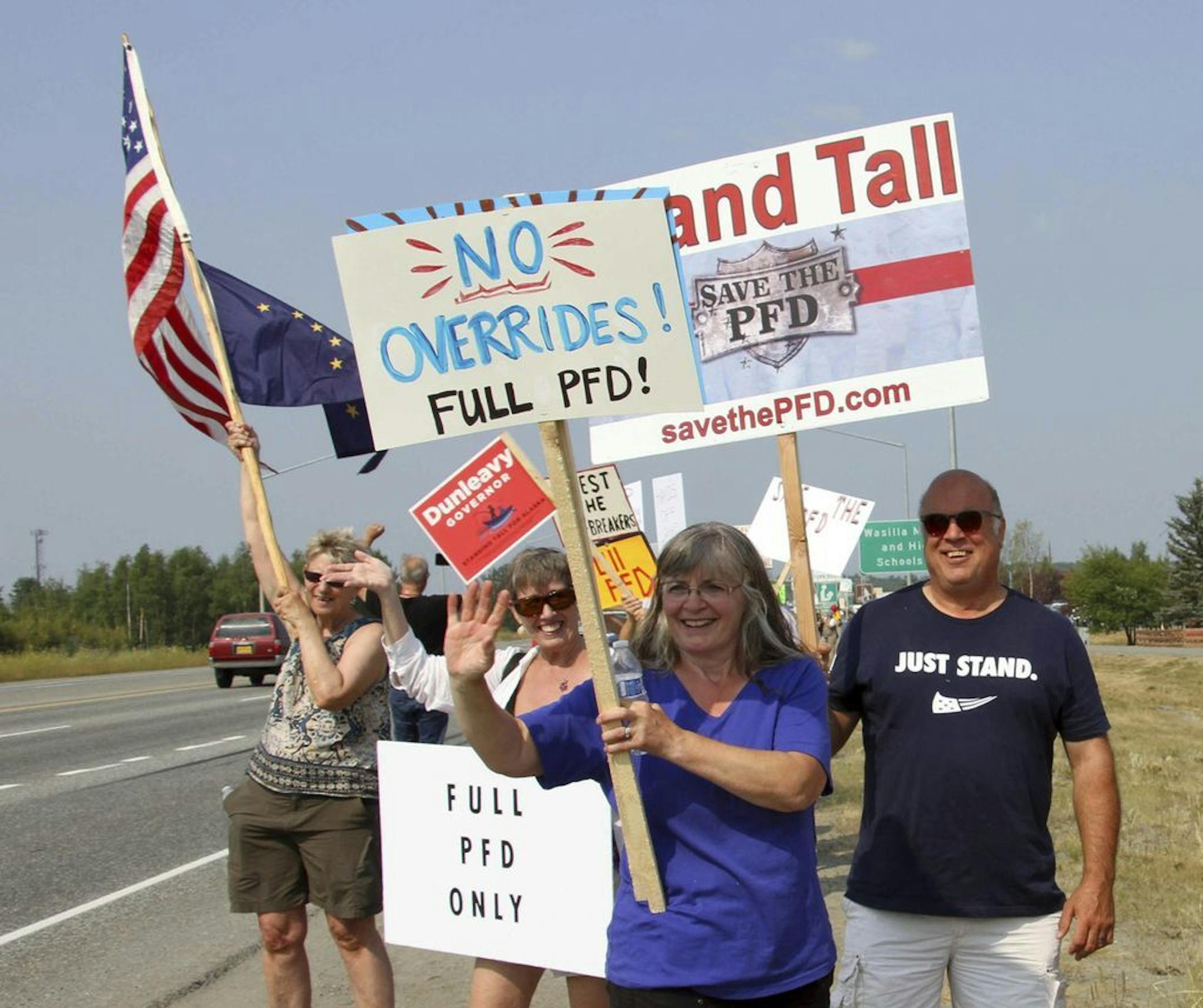
The situation has politicians debating changes to the annual dividend paid to residents from Alaska's nest-egg oil-wealth fund. The checks, seen by many as an entitlement, once were considered almost untouchable. But the budget reality, and differences over taxes and spending, has politicians and residents choosing between the size of the prized checks and public services many expect.
The anxiety is tied to persistent low-to-middling North Slope oil prices. Prices topping $100 a barrel in 2014 went into a free-fall that worsened a budget deficit now in its eighth year. State revenue officials believe prices in the $60 a barrel range to be realistic long-term.
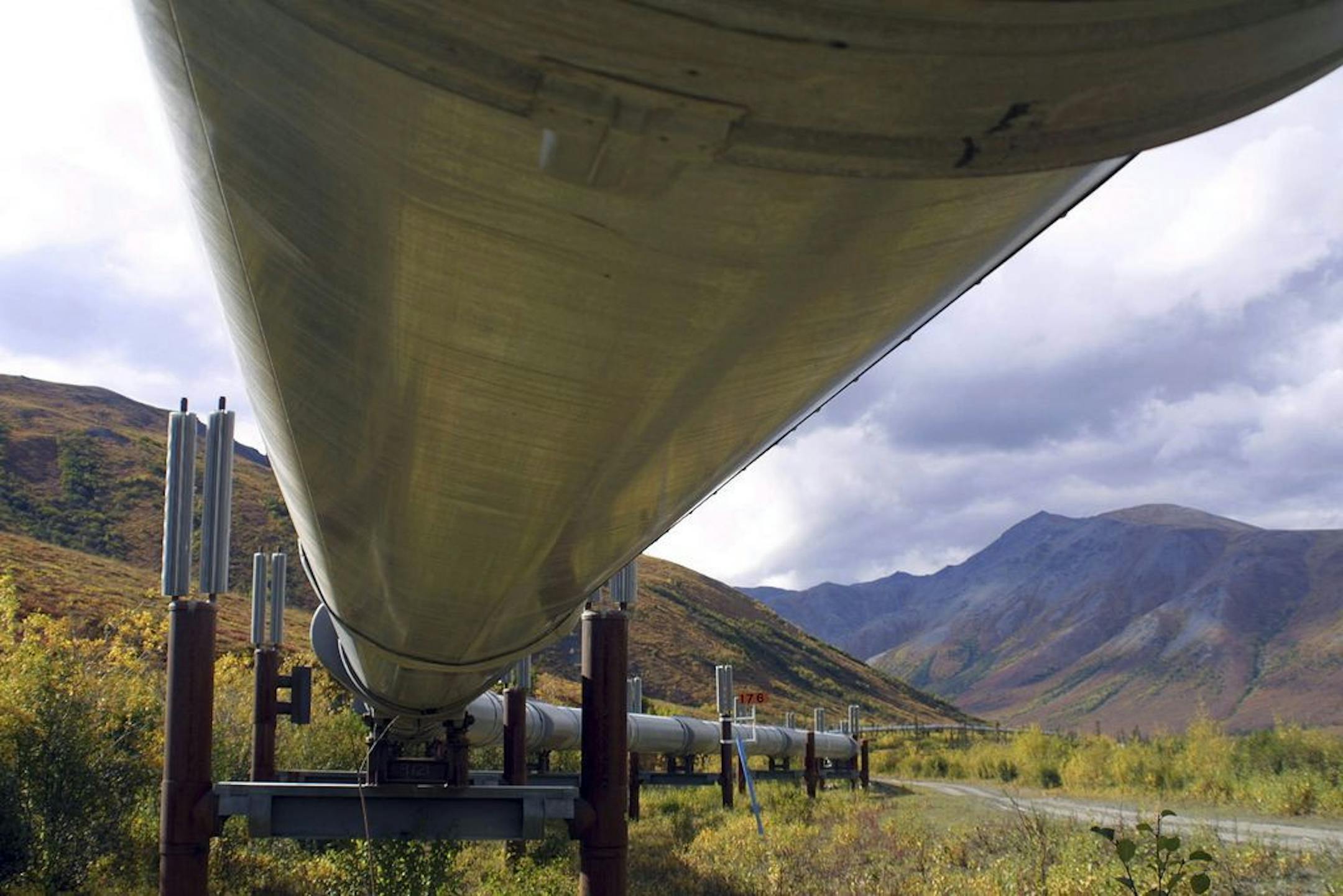
This year, an average of about 508,000 barrels of oil a day has coursed through the 800-mile (1,288-kilometer) trans-Alaska pipeline, according to the pipeline operator. On the pipeline's peak day in 1988, 20 years after oil was discovered at Prudhoe Bay, 2.1 million barrels flowed.
"Alaska needs to think about the new world we have today," said Cliff Groh, a longtime political observer, adding later: "The cavalry" of high prices and booming production "does not seem to be coming."