

Oil prices climbed Tuesday after the European Union moved to cut off Russian crude, raising the specter of even higher gasoline prices and intensifying economic reverberations for both consumers and the White House.
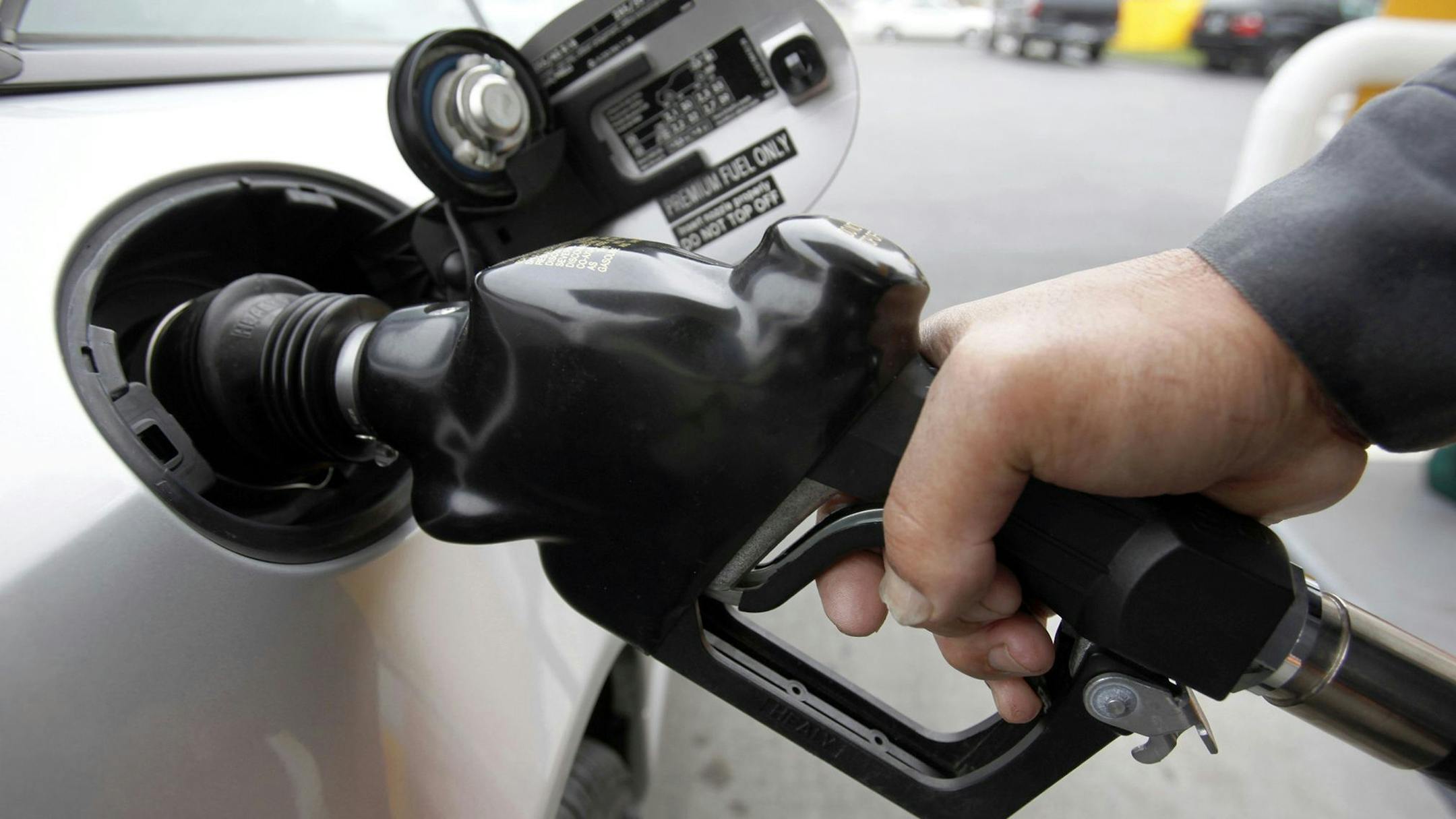
Brent crude, the global benchmark, swelled above $120 a barrel before pulling back after the E.U. levied its most significant economic penalty yet in response to Moscow's invasion of Ukraine. Meanwhile, the U.S. average for a gallon of gasoline hit a record $4.62 on Tuesday, AAA data shows; that's 52% higher than last year and an inflationary pressure point that can quickly choke consumer spending and flatten economic growth.
Drivers in seven states - including Illinois, Nevada and Oregon - are paying at least $5 for a gallon of gasoline on average, while Californians are shelling out more than $6. In every other state, the average is $4 or more.
"Gas prices historically weigh heavily on the consumer psyche and are often considered a bellwether of future inflationary pressures," said Jeffrey Roach, chief economist for LPL Financial. "Especially during this reopening moment with an expected surge in travel demand, gas prices will impact driving plans. And overall oil prices will eventually impact airline ticket prices."
The E.U. agreed Monday to curtail the use of Russian oil within months, an effort it said would cut roughly 90% of oil imports to the member nations. But the bloc made concessions to exempt pipeline deliveries, and several nations will get extensions or exemptions to the ban, according to E.U. officials and diplomats.
Pavel Molchanov, an analyst with the investment bank Raymond James, said that because the E.U. embargo targets only tanker deliveries, at least for now, the global market can adjust by rerouting seaborne shipments. So instead of shipping oil to European countries, he said, Russia will boost shipments to other markets, such as China, India and Turkey. In turn, those countries will buy less oil from the Middle East, whereas more oil from that region will go to Europe, he said.
"Ultimately, it will cancel out, or just about, in the sense of global supply," he said.
Still, Russian oil exports had fallen even before the embargo, partly because several major marine shipping companies had refused to transport the nation's cargo, including petroleum.


