In magazines like Vogue, Harper's Bazaar or Elle, women wear the clothes and men take the photos.
So it seemed through much of the 20th century when the marquee names in fashion photography were guys like Irving Penn, Richard Avedon, Cecil Beaton and their ilk. Avedon's fashion career was even mythologized in the 1957 film "Funny Face" starring Audrey Hepburn.
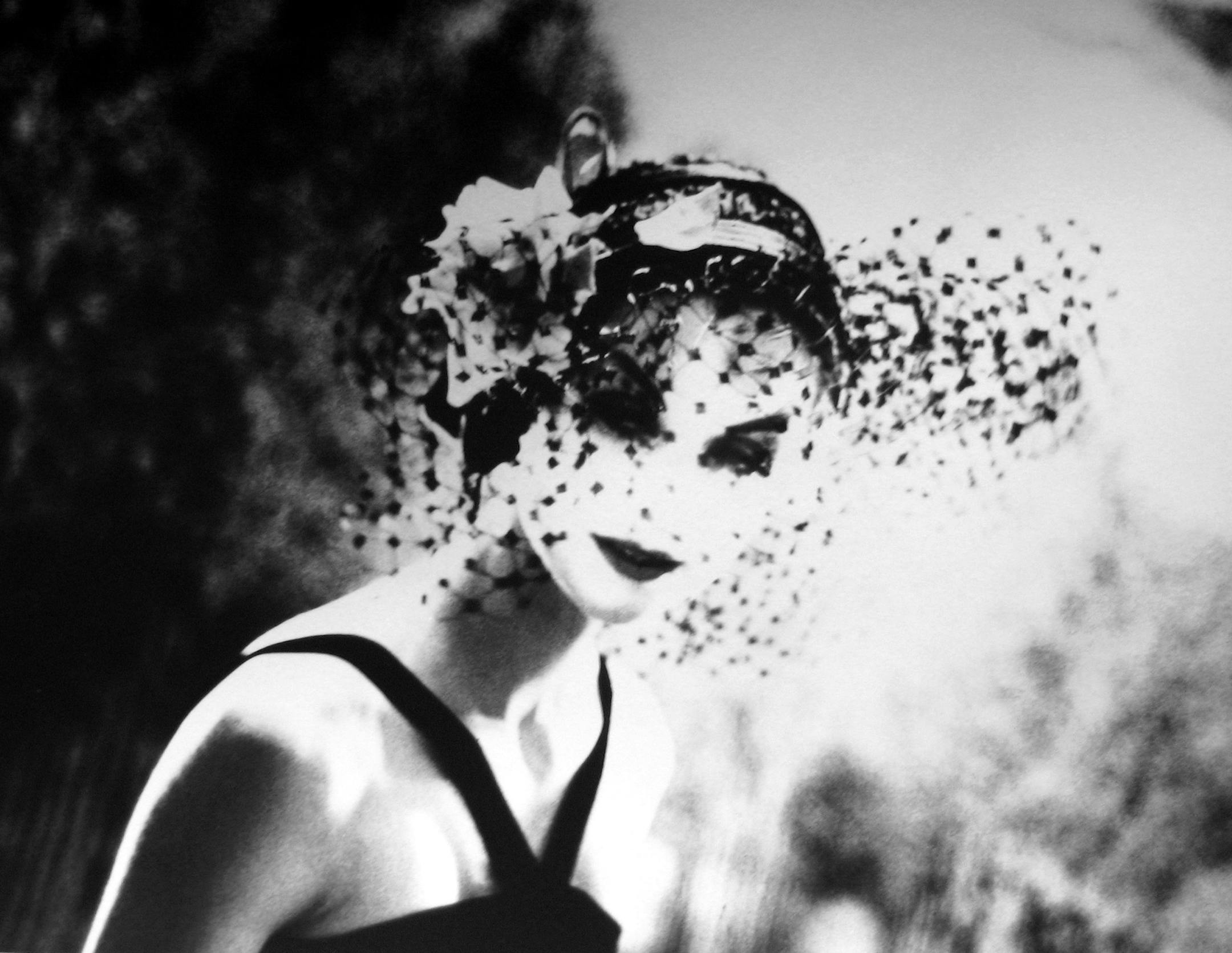
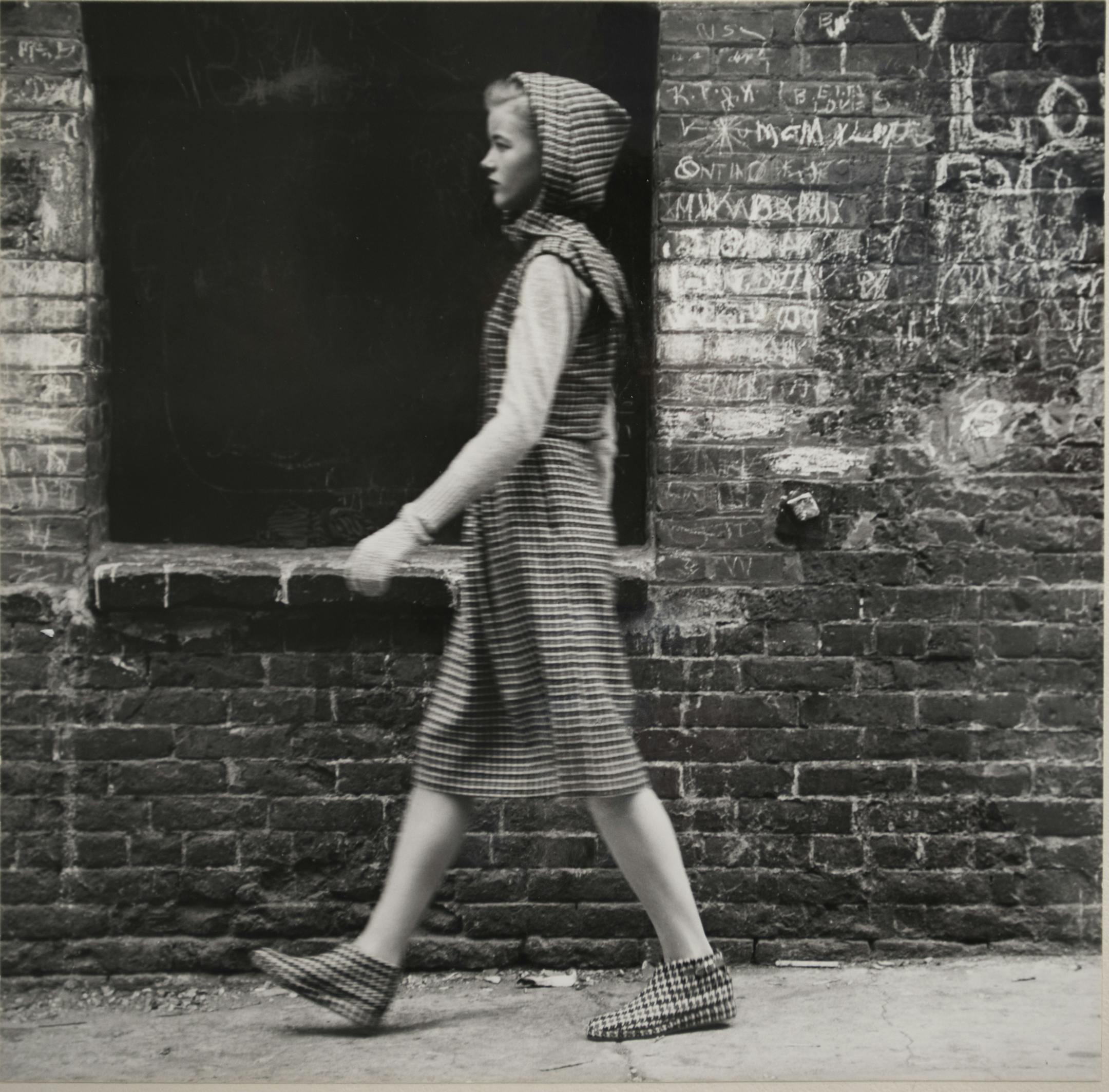
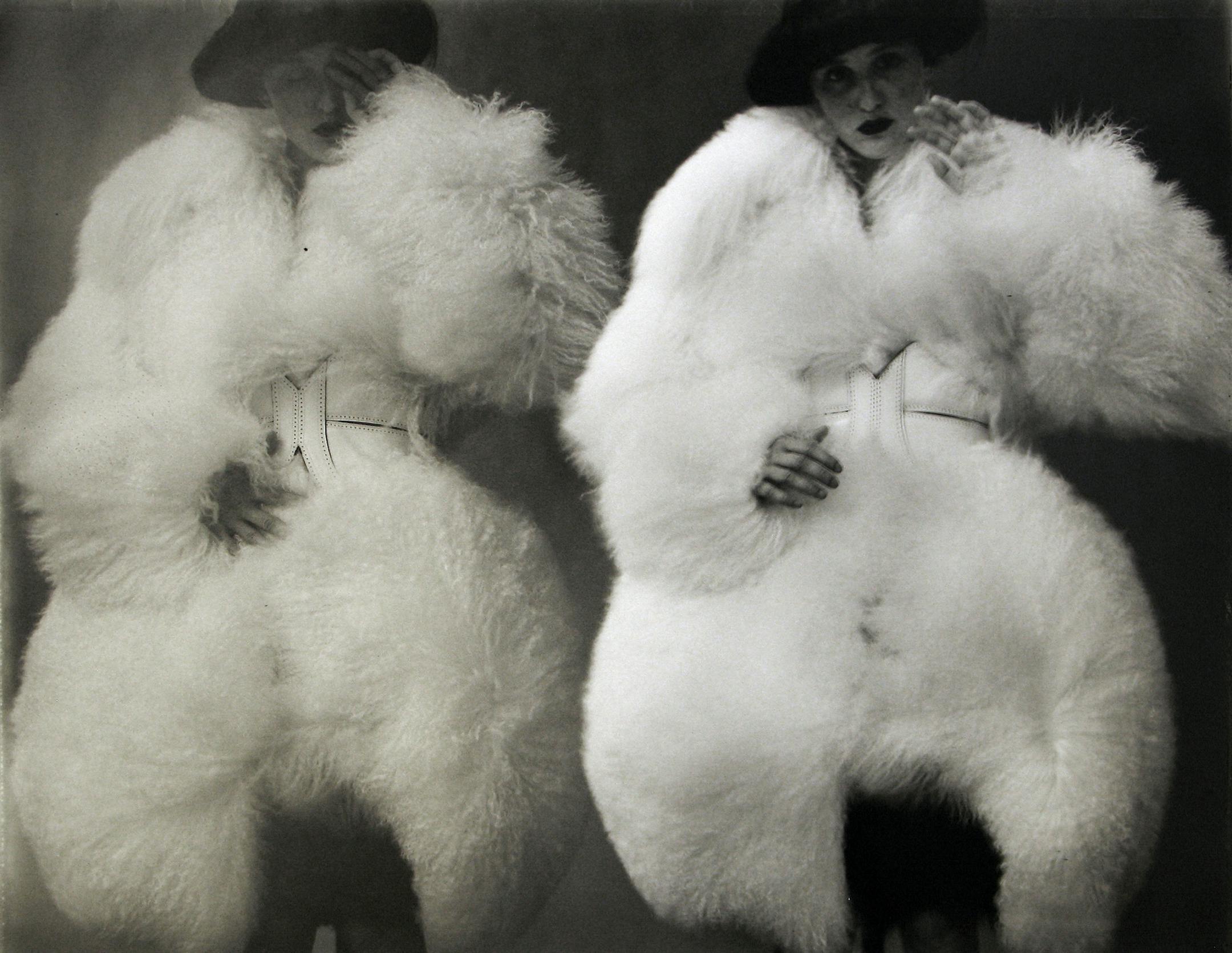
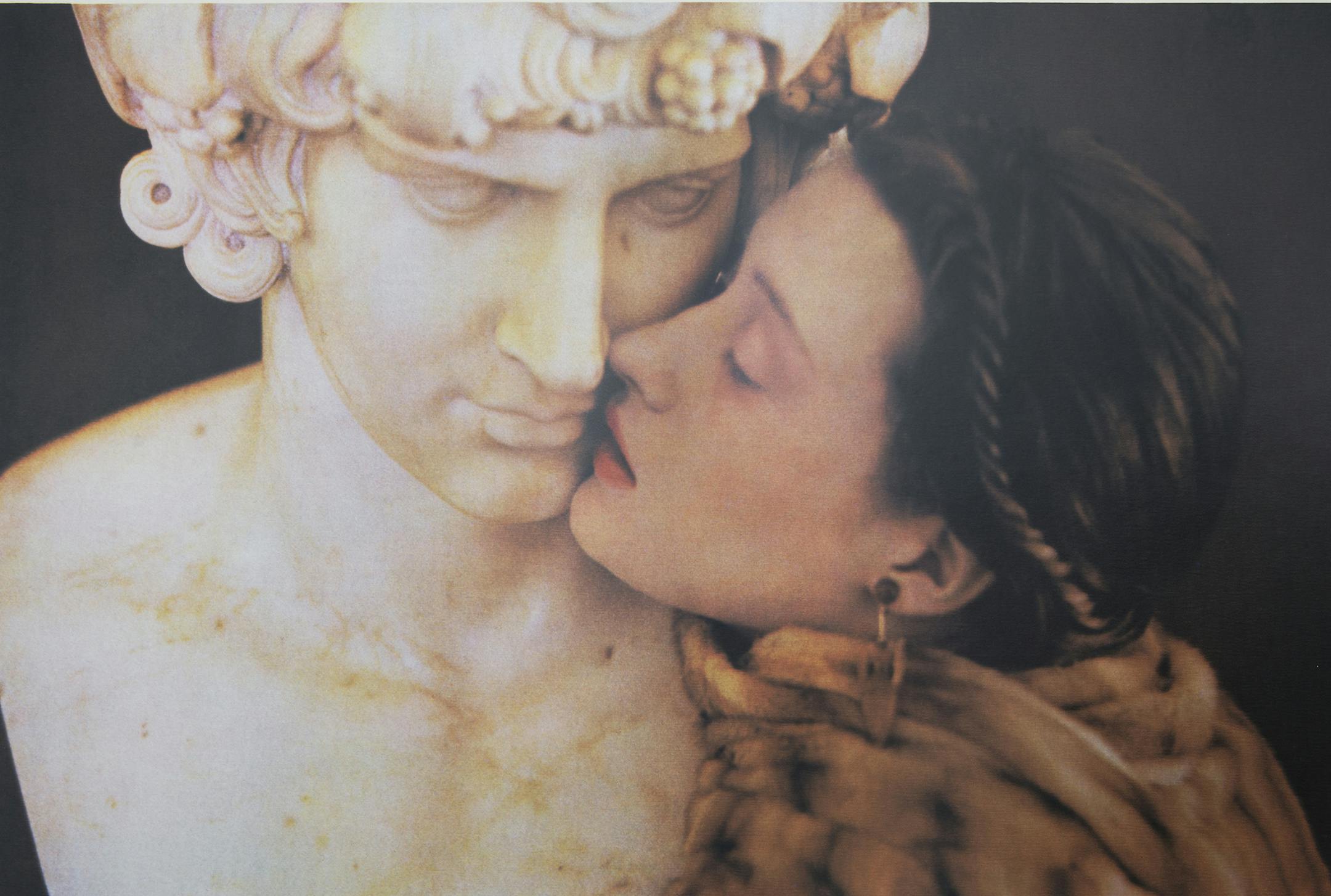
Though never so well-known, women photographers were getting their work published at the same time in top magazines, advertisements and newspapers. "The Fashion Show," organized by Weinstein Gallery in Minneapolis, corrects their neglect with 40 images by a dozen prominent female photographers whose work spans more than 75 years. On view through Jan. 17, the elegant show features mostly black-and-white pictures beginning with Louise Dahl-Wolfe's shy portrait of a svelte beauty taking a night swim in 1939 and ending with nearly abstract color images by South Korean journalist Ina Jang from 2013.
Gazing at their lush and beguiling photos, it's tempting to look for psychological or stylistic differences between the sexes. Surely the women's work is more sensitive to female gestures or temperament, more attuned to women's moods or movement. Don't male photographers more often push a story line, or impose expectations on the models and the clothes they wear?
Not necessarily, insisted Weinstein director Leslie Hammons, who gathered the pictures from galleries and artists' archives around the country. After scrutinizing portfolios and careers of innumerable artists, including many she didn't have room to exhibit, she cautioned against generalizations based on sexual stereotyping. Female photographers influenced their male counterparts, and vice versa, Hammons said. Photographing models in motion, taking them from studio to street, introducing film noir theatrics, or psychedelia, or humor — such innovations moved too quickly for anyone to claim exclusive ownership.
"The point is just to shine a light on this aspect of fashion photography — on women photographers working in the field," Hammons said.
High fashion then and now
Following a casual chronology, the show loosely tracks the evolution of 20th-century fashion photography.
Starting as a regular Harper's Bazaar photographer in the 1930s, Dahl-Wolfe cast a columnar "Patricia Morrison" into deep shadows in a 1940 studio shot and brilliantly echoed the aristocratic profile of an Egyptian queen in "Lisa Fonssagrives in Nefertiti Hat" in 1945. Then she took off to Europe for a high-contrast shot, "Jean Patchett, Grenada, Spain, 1953," in which the model's white-trimmed black swimsuit and matching sunglasses are dramatically silhouetted in blinding sunlight.