

Time was when museum curators had to stay glued to their desks all through the end-of-year holidays in case an art-collecting patron popped in to drop off a Picasso. Now most museums have acquisition policies that spell out what the institutions want, encourage earlier donations and, incidentally, free the staff for holidays, too.
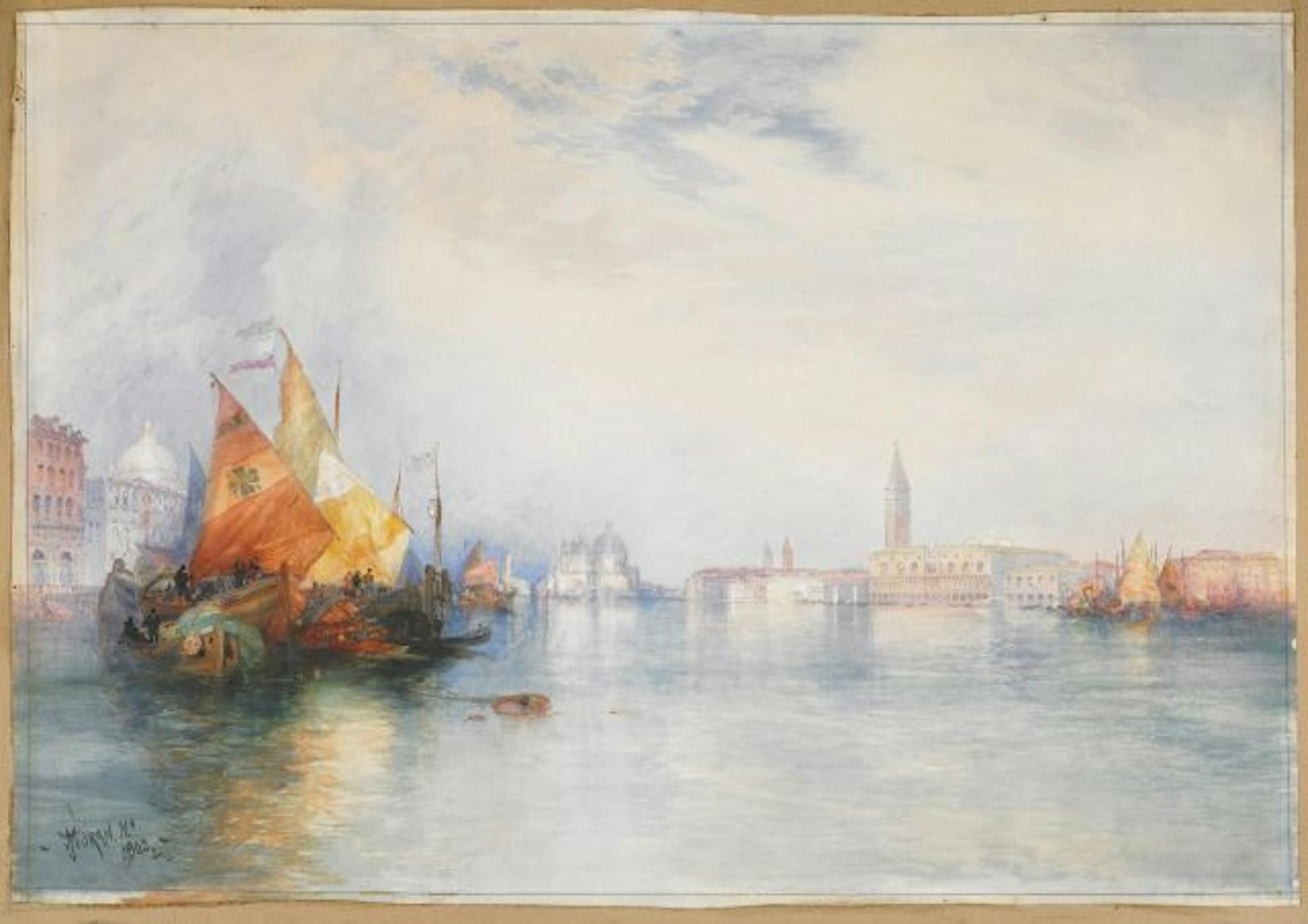
Highlights of the 2010 acquisitions -- a mix of gifts and purchases -- at the Minneapolis Institute of Arts, Walker Art Center and the Weisman Art Museum suggest that the policies have enhanced local collections. Pieces range from a Matisse still life and a 500-year-old map of Venice at the institute to a dance video at the Walker and a gigantic ceramic urn called a "dango" at the Weisman.
Nonprofit organizations of all sorts, from hospitals to colleges and orchestras, solicit year-end donations to help balance their books. Gifts of art are more complicated because they can't just be deposited in a museum's bank account.
Nor can museums accept everything that's offered. The art has to be authentic, appropriate, top-quality, in pristine condition and not a duplicate of something already owned. Acquisition policies guide the decisions, which are based on staff recommendations but made by committees of museum board members.
"We really are operating on fewer, better objects," said Matthew Welch, deputy director of the Minneapolis Institute of Arts. "If the curators can't make a case in a strong, dramatic way, it doesn't go through."
Strategic plans at the MIA
The institute developed its first formal acquisition plan two years ago. It requires curators in every department to evaluate the strengths and weaknesses of what the museum already owns and to recommend a plan for future acquisitions. Curators know what local collectors own and may donate, so they take that into consideration. Some items are too rare or expensive to buy but might be given by a benefactor. Other important art might be unfashionable at the moment and therefore priced attractively for purchase.
"Some areas, like Sung Dynasty paintings, are very difficult to come by," Welch said. "And certain things are subject to passion. Maybe this isn't a good time to collect Imperial Chinese porcelain, which is outrageously popular among Chinese. So the question is, realistically, what can we do right now given the present market?"


