

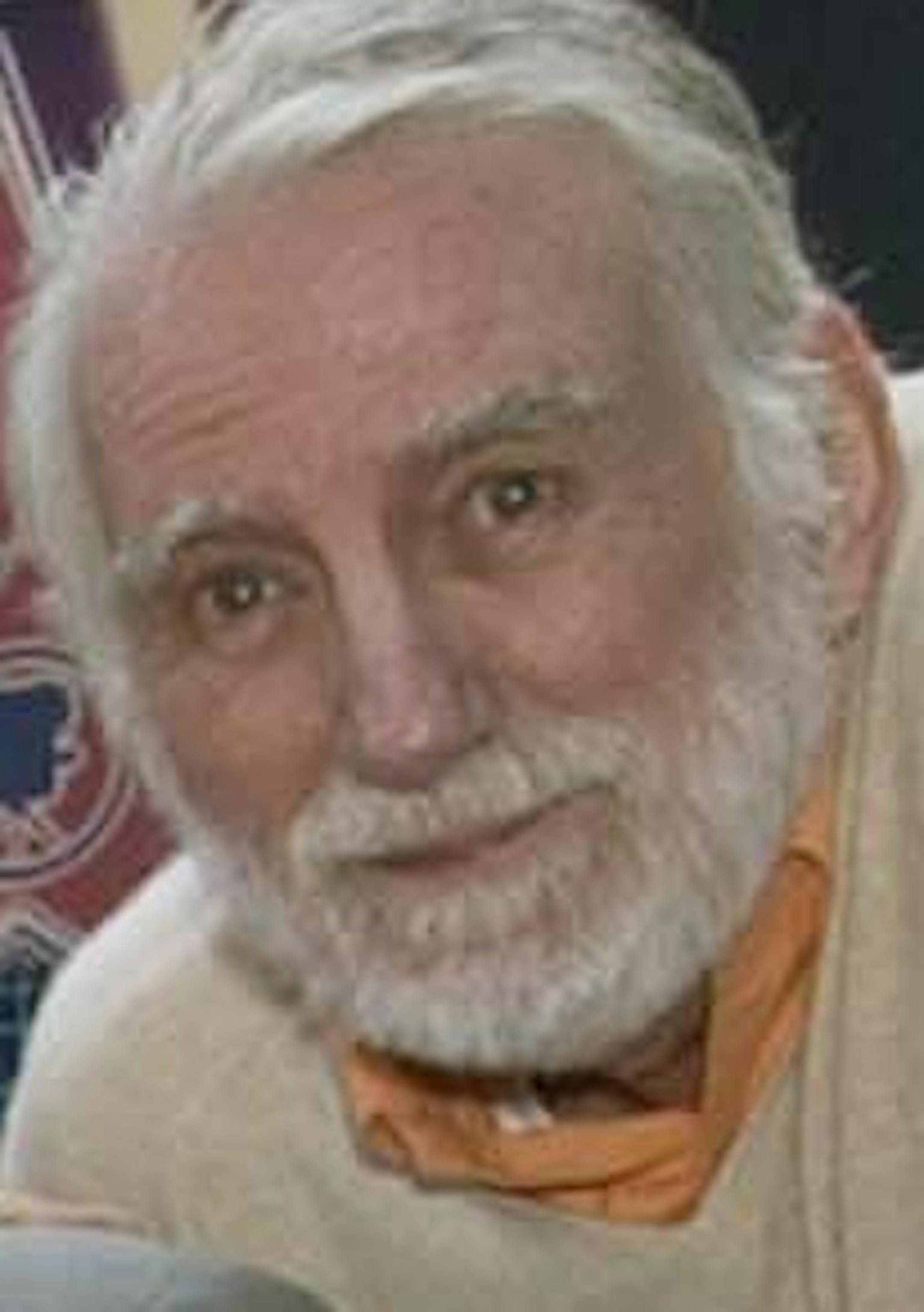
Rod McKuen, the husky-voiced "King of Kitsch" whose avalanche of music, verse and spoken-word recordings in the 1960s and '70s overwhelmed critical mockery and made him an Oscar-nominated songwriter and one of the bestselling poets in history, has died. He was 81.
McKuen died Thursday at a rehabilitation center in Beverly Hills, Calif., where he had been treated for pneumonia. He had been ill for several weeks and was unable to digest food, his half brother, Edward McKuen Habib, said.
Until a sabbatical in 1981, McKuen was an astonishingly successful and prolific force in popular culture, turning out hundreds of songs, poems and records. Sentimental, earnest and unashamed, he conjured a New Age spirit world that captivated those who didn't ordinarily like "poetry" and those who craved relief from the war, assassinations and riots of the time.
"I think it's a reaction people are having against so much insanity in the world," he once said. "I mean, people are really all we've got. You know it sounds kind of corny, and I suppose it's a cliché, but it's really true; that's just the way it is."
Among his best-known songs was "Seasons in the Sun," a chart-topper in 1974 for Terry Jacks. He was nominated for Oscars for "Jean" and for "A Boy Named Charlie Brown," the title track from the beloved Peanuts movie.
Frank Sinatra, Madonna, Dolly Parton and Chet Baker were among the many artists who recorded his material, although McKuen often handled the job himself, in a hushed, throaty style he honed after an early life as a rock singer cracked his natural tenor.
McKuen is credited with more than 200 albums — dozens of which went gold or platinum — and more than 30 collections of poetry. Among his most quoted phrases: "Listen to the warm" and "It doesn't matter who you love, or how you love, but that you love."
After serving as a propaganda writer in the Korean War, McKuen wound up in San Francisco, where his friend Phyllis Diller helped him find work in the growing nightclub scene. He went on to sing with the Lionel Hampton band, acted in a handful of movies and TV shows, and read poetry on the same bill as Jack Kerouac. He also did voice-overs for Disney's "The Little Mermaid."


