

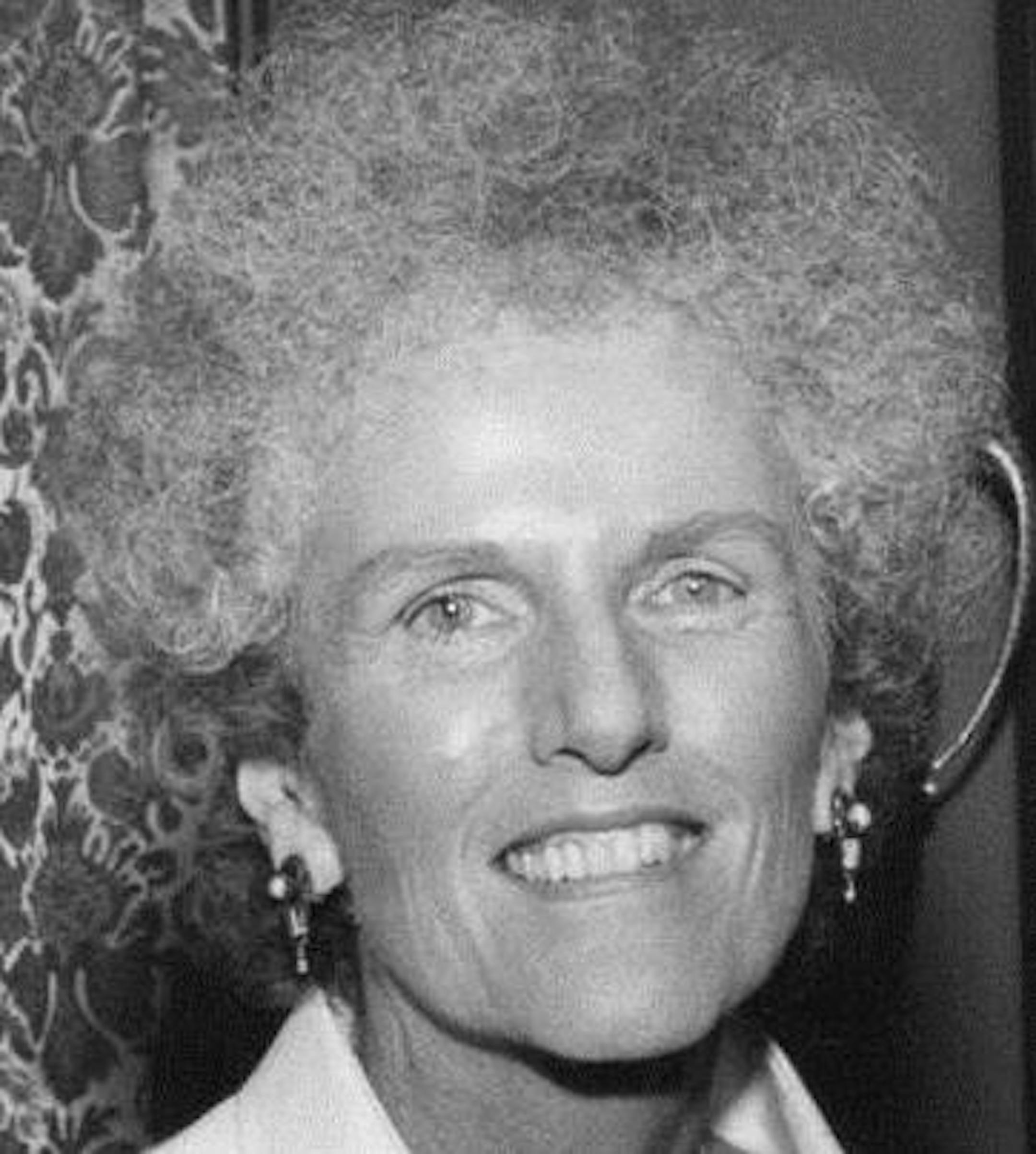
From the time she was old enough to read, Kay Sexton was never far from a book. Her love of reading was something she paid forward to hundreds of people over the years as the manager of the original B. Dalton bookstore and founding board member of several local literary organizations.
Sexton became a local celebrity as host of the popular "Hooked on Books" show, which aired on KTCA-TV (now TPT) in the 1970s. The in-house newsletter of the same name that she produced for B. Dalton became the bible of the publishing industry and had distributors nationwide coveting a spot on her list of top picks.
Sexton died of natural causes Friday in her Arden Hills home at age 91.
In 1988, she was given the inaugural Kay Sexton Award, an honor that has been presented every year since to an individual or organization that has made outstanding contributions to the publishing industry or literary arts.
"Getting kids hooked on books while they were young, that was her goal," said her niece Mary Sexton. "She was very good at identifying books and directing people to books they would want to read, might like, or to those they never thought they would read, the little gem with small print."
After graduating from the University of Minnesota, Sexton worked at the former Emporium department store in St. Paul and at Dayton's. In the 1960s, she was tapped to be manager of the first B. Dalton store, which opened at Southdale Center in Edina.The shop became known as "Kay's store" because of the sage advice she gave to customers and employees alike. Many of the people she hired and mentored went on to have successful careers of their own in the book industry.
"It seems likely that if the first store failed, it is possible that there may not have been a second," said Dick Fontaine, who was hired by Sexton and later became president of the national B. Dalton Bookseller chain that grew to 800 stores. "I was just one of many who went on to manage future stores, with only the 'training' that we had working for Kay."
Journalists would call Sexton to learn what ordinary Americans were reading, while publishers and authors lobbied for a spot in her newsletter, known as the "green sheet" because it was printed on vivid green paper.


