Alone in the crowd, the Rev. Jesse Jackson watched through tears in the cool Chicago evening as the nation's next first family took the stage: a black man named Barack, a descendant of slaves named Michelle and their two young daughters.
As in much of the country, the feeling in Grant Park on election night nearly five years ago emerged from the heady pride of progress. But for Jackson, the moment pushed him backward, through decades, to memories of those who he called "the martyrs" of a movement whose successes Obama had inherited.
"I could see them coming across the stage," Jackson said. "Those caskets we marched behind. And the people who made that night possible couldn't afford to be there. They would be either dead or injured or poor."
Obama's relationship with the American civil rights movement has been a vexing one, challenging a cool, intellectual president to engage the memories and expectations of pioneers who marched, resisted and, in some cases, died before his birth.
Defend rights in peril
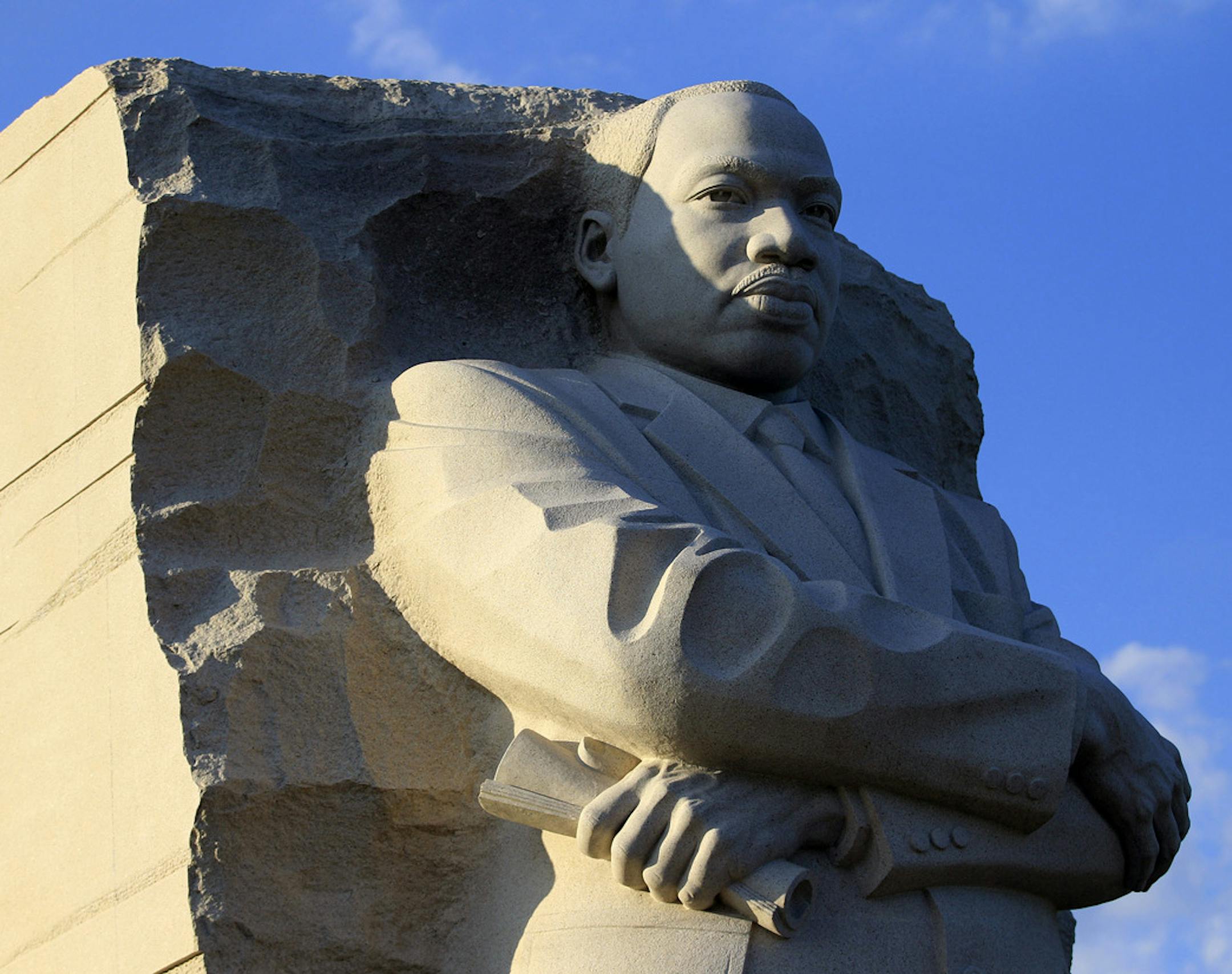
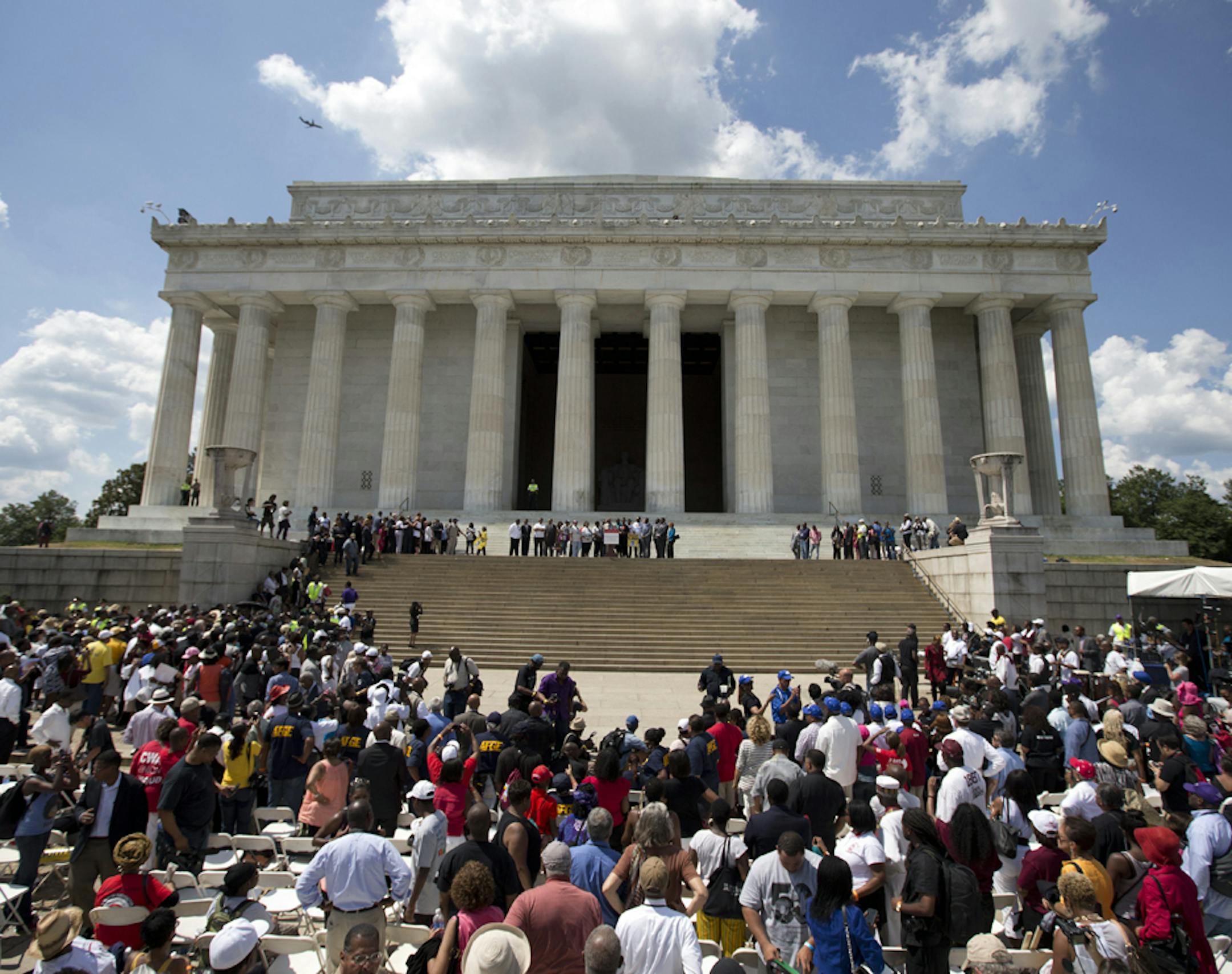
On Wednesday, the arc of that relationship will reach from Grant Park to the steps of the Lincoln Memorial. On the spot where the Rev. Martin Luther King Jr. described his dream 50 years ago, Obama will define a new front in the fight for equality and identify the mounting threats to progress emerging today.
In preparing for the address, Obama has assembled civil rights advocates at the White House to discuss state efforts making it more difficult to register to vote and cast ballots nearly 50 years after passage of the Voting Rights Act. He has met with faith leaders. He has phoned Rep. John Lewis, the Georgia Democrat who marched at Selma, Ala.
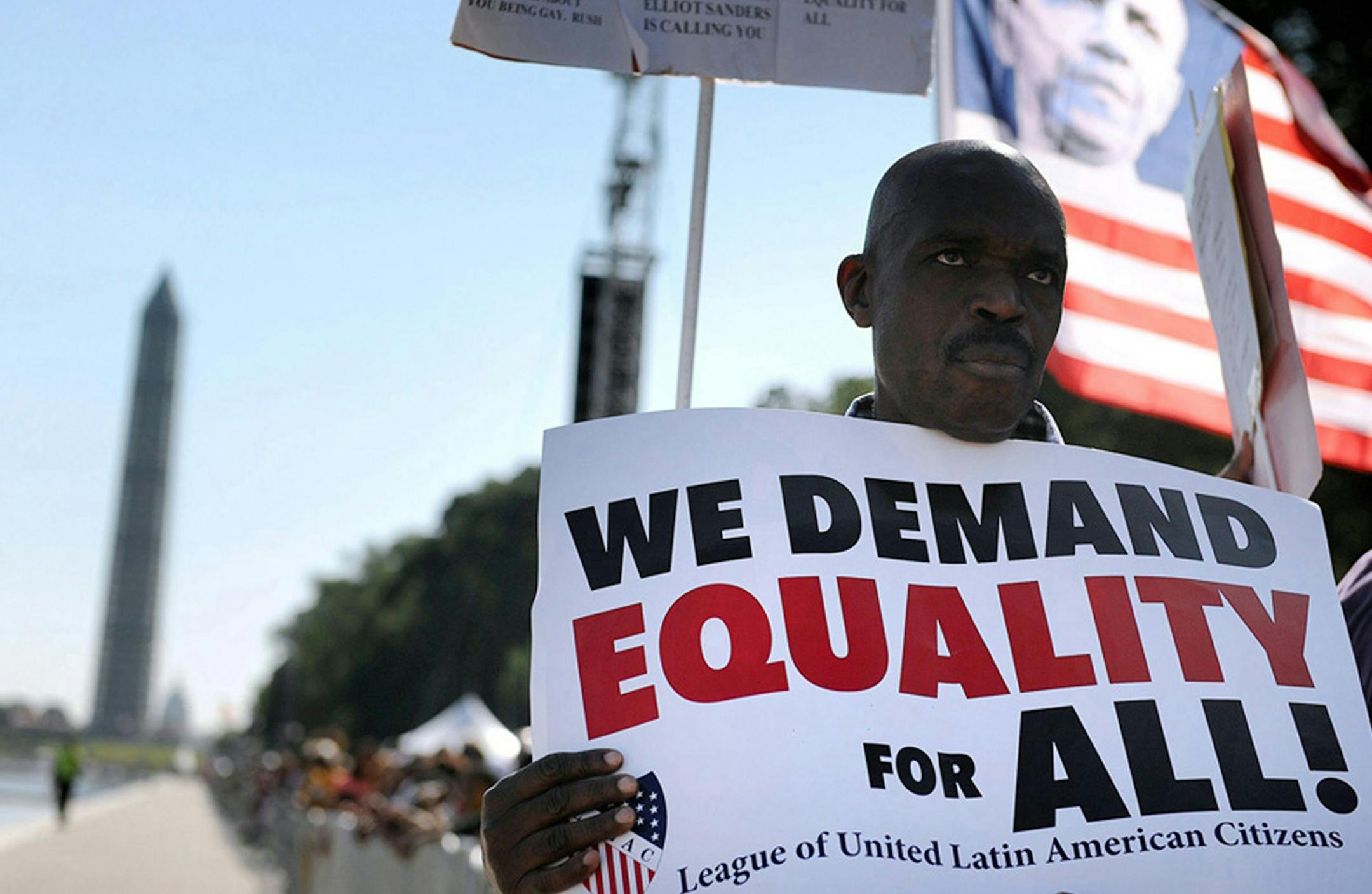
According to those he has spoken with, Obama will say that gays and lesbians, women's rights advocates, immigration activists and African-Americans must come together as a coordinated political movement to defend rights in peril, particularly at the ballot box, and to secure new ones in such areas as marriage equality and criminal sentencing.
Although the groups are at odds on some issues, the broader demand for equal treatment unites many of them in ways that the political movements of the 1950s could not.