2:40
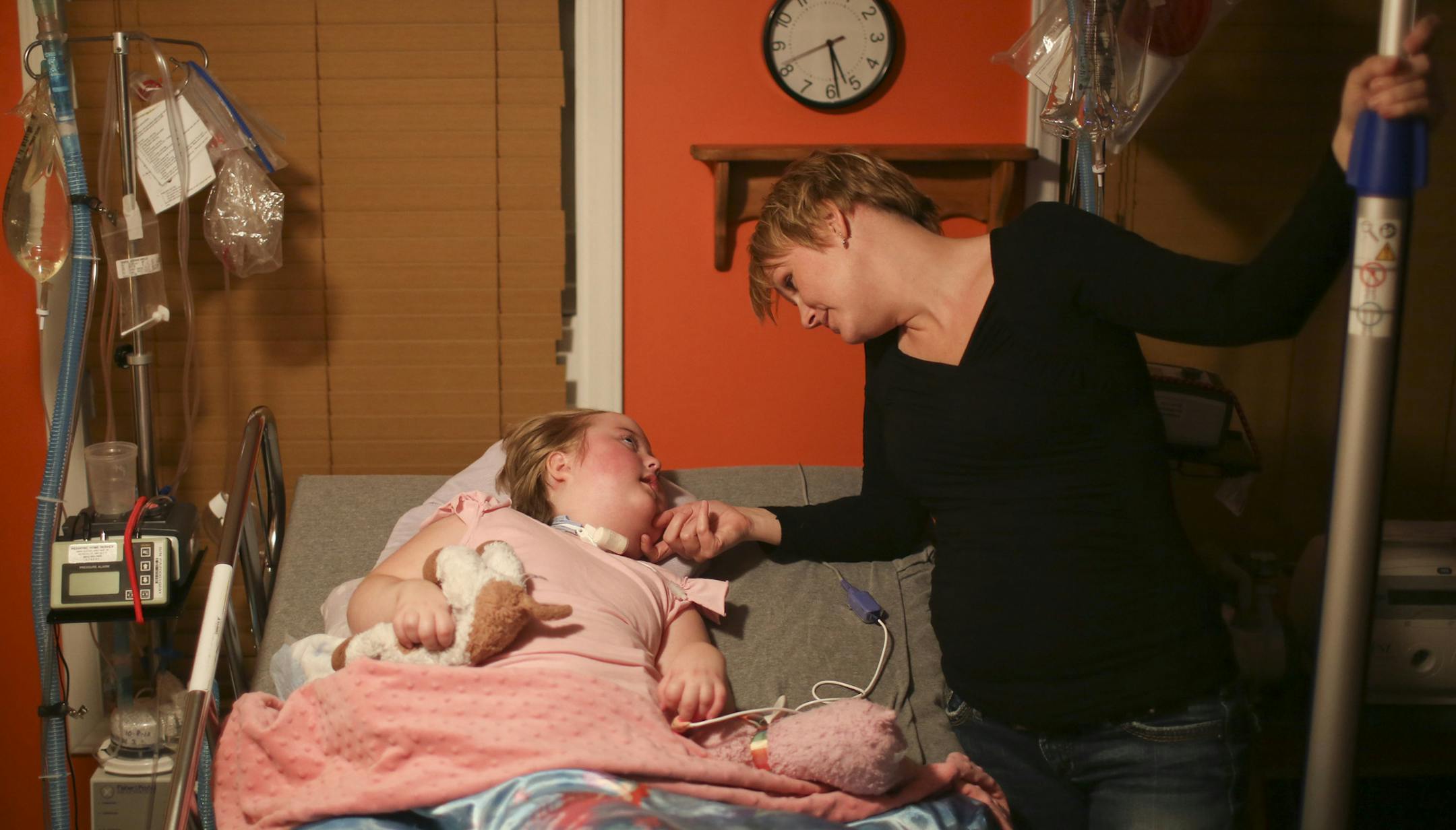
2:40Leslie Anderson had no reason to distrust the nurse she let into her home to care for her 4-year-old daughter, who requires around-the-clock medical attention for a rare disease that has left her a quadriplegic and unable to talk.
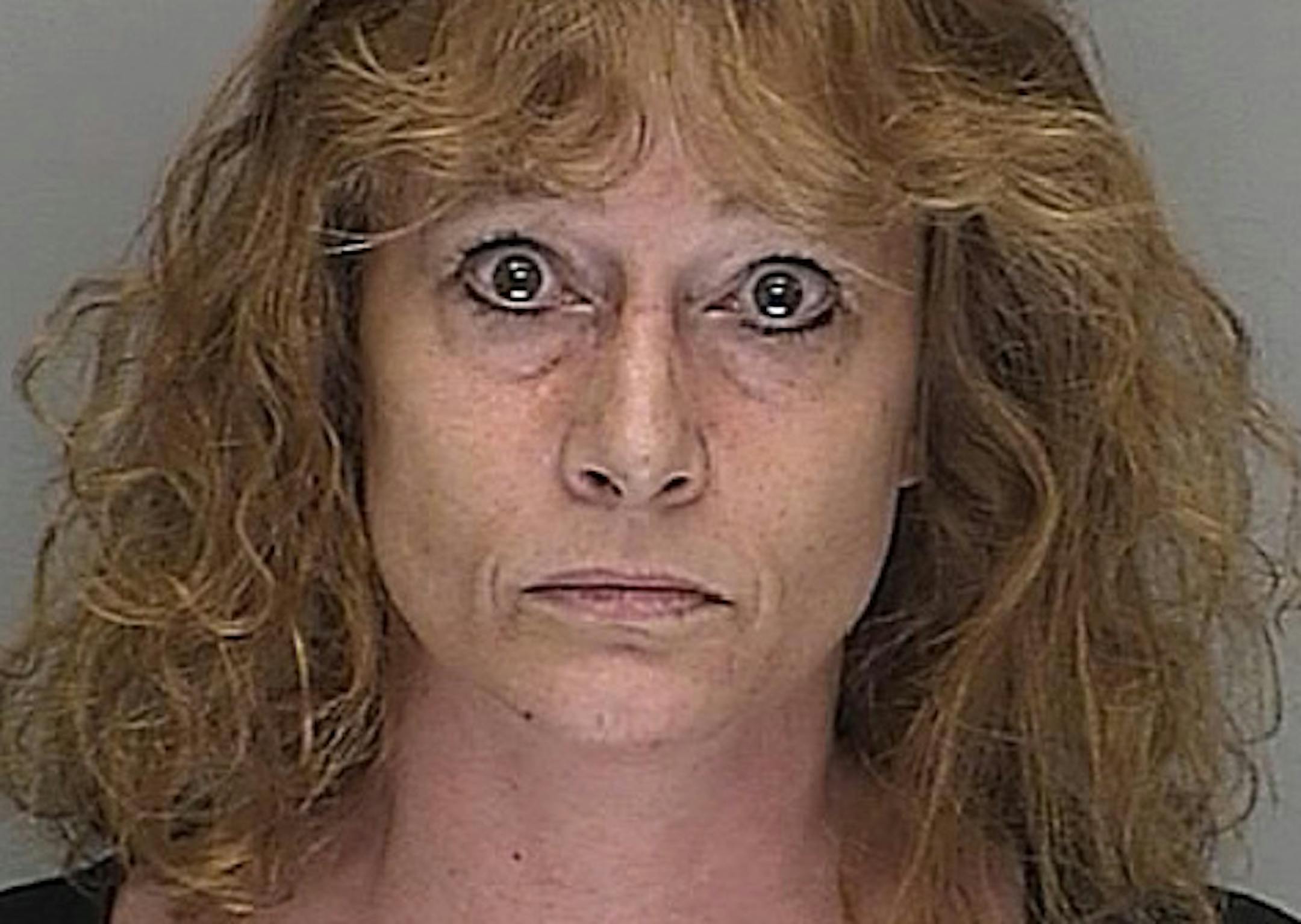
Five months later, Anderson caught the nurse, Kelli Ingalls, stealing her daughter's pain medication.
Anderson did not know until contacted by the Star Tribune that Ingalls had a drug history that included methamphetamine abuse and a county finding that Ingalls maltreated a child by allegedly operating a meth lab in her home.
"That's something that should obviously be in someone's background check," Anderson said.
It wasn't.
What happened to Anderson and her daughter reveals how gaps in the state's system for background checks prevent employers and patients from learning the full history of nurses who have committed crimes, neglect or maltreatment, a Star Tribune examination of Nursing Board and criminal records shows.
Nurses can practice for years before their past troubles catch up with them, because the responsibility for vetting caregivers is split between the Department of Human Services and the Minnesota Board of Nursing. Even when these nurses have lied about their backgrounds, the board typically takes disciplinary action only when they commit more misconduct.
As a result, patients and their families have little access to the records of the nurses caring for them.