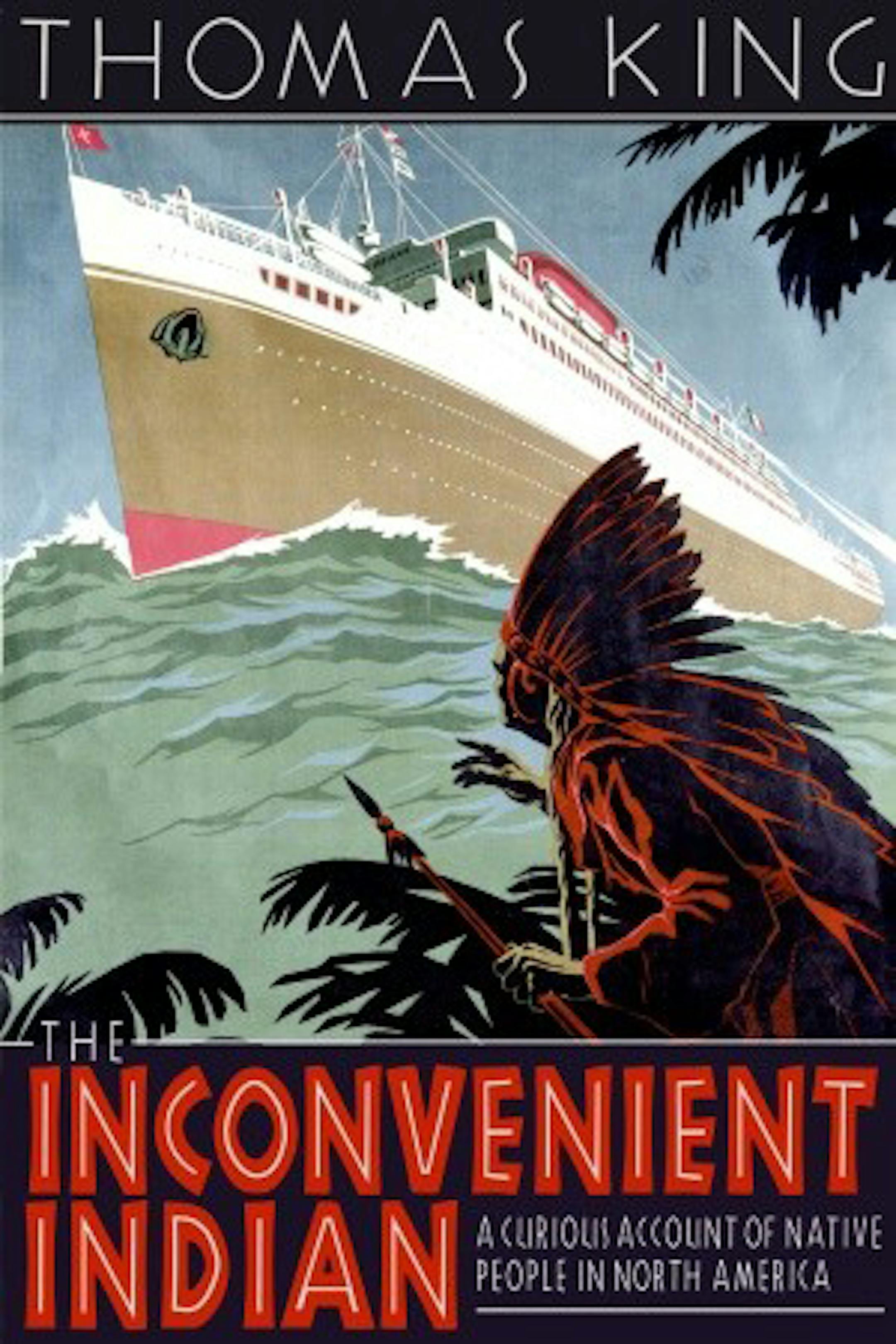
If you want to understand what's happening in Indian Country today, on reservations and in urban Indian communities, Thomas King's funny, angry, often whimsical and sometimes melancholic meditation, "The Inconvenient Indian," is a good place to start.
It is not a history, he insists, though it is "fraught with history," from extermination to assimilation to sovereignty. For a non-Indian, it can be a tough read, rather like an indictment, a long list of charges demanding a plea — if not guilty, at least nolo contendre. We may object that we personally were not at Wounded Knee in 1890, and we were not responsible for the mass relocation of Indian children to boarding schools, just as we never owned slaves. But we have a responsibility, King would argue, to at least try to understand what happened, and why, and how all of it contributed to a historical trauma that continues to burden white-Indian relations.
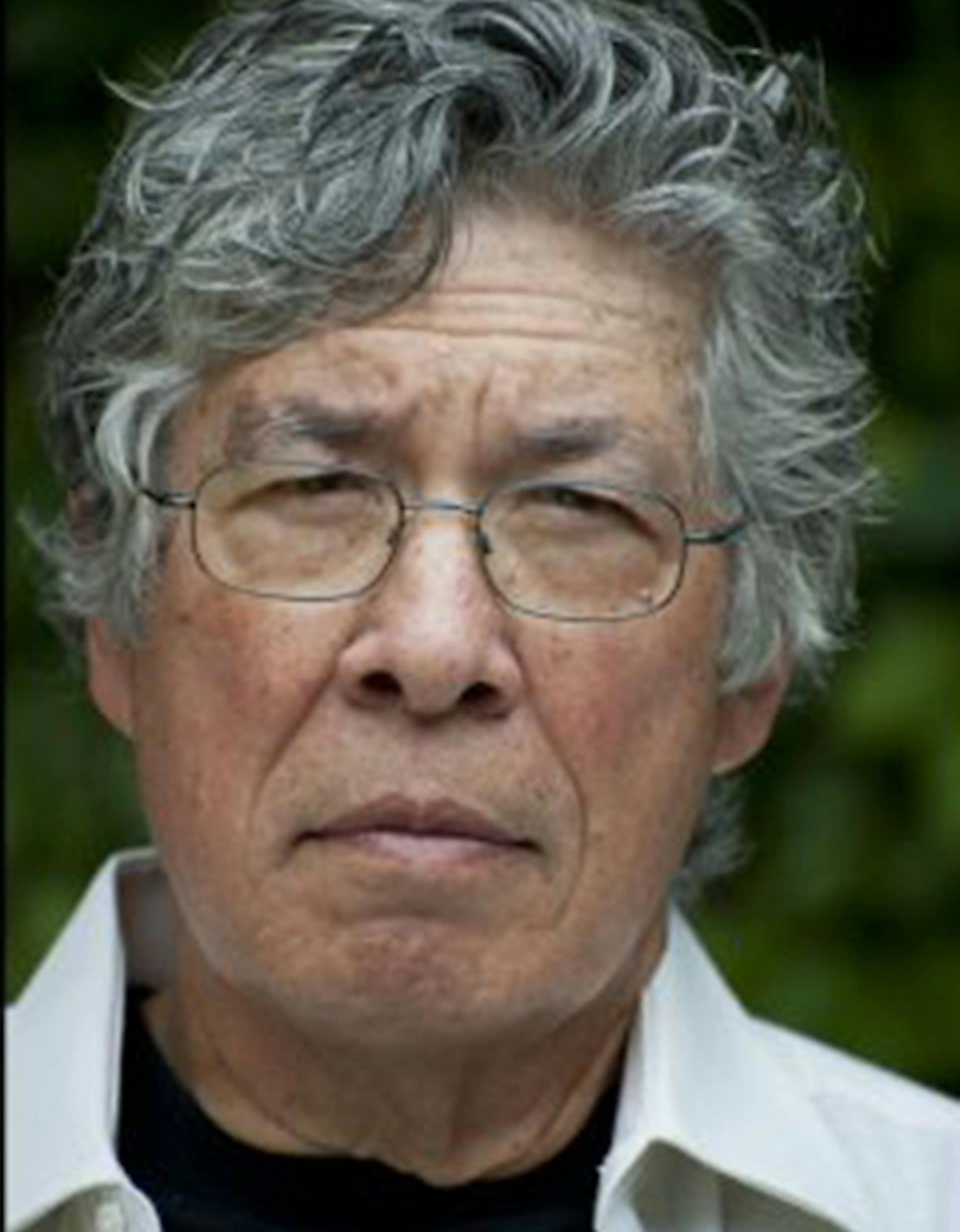
King is an award-winning writer who has taught American Indian studies at several institutions, including, in the early 1990s, the University of Minnesota.
But for some of his own early education, he was sent off to an Indian boarding school at 15. "The school was, at its best, a cold, dead place. I've tried to forget about the experience, but [this project] has caused those memories to seep to the surface once again, and they taste just as bitter now as they did then." King concedes that Indian people frequently have hurt themselves. "For decades we've beaten each other up over who is the better Indian. Full-bloods versus mixed-bloods. Indians on reservations … versus Indians in cities. … Those of us who look Indian versus those who don't." He cites "the alcoholism, drug abuse, poverty, crime, and corrupt leadership that plague many of the reserves and reservations."
With a good dollop of scorn, he thanks the news media "for their simple-minded diligence" in bringing those failings to public attention, if not doing much to explain the history that contributed to them.
But land is the issue. It has always been about land: preserving tribal land, reacquiring lost lands. The challenge today for Ojibwe and Lakota, for Ute and Cherokee and Navajo and all the tribes and First Nations of North America, is to understand and deal with the cumulative effects of laws, treaties, policies and attitudes, arbitrary and contradictory, that have tried to define "Indian" and justify "Indian policy."
"The fact of Native existence is that we live modern lives informed by traditional values and contemporary realities and that we wish to live those lives on our terms."
Former Star Tribune writer Chuck Haga now lives and writes in North Dakota.