

During a hearing in 2010, Sen. Claire McCaskill, D-Mo., expressed concern about advertising companies tracking consumers online. "I understand that advertising supports the Internet," she said, "but I am a little spooked out. This is creepy."
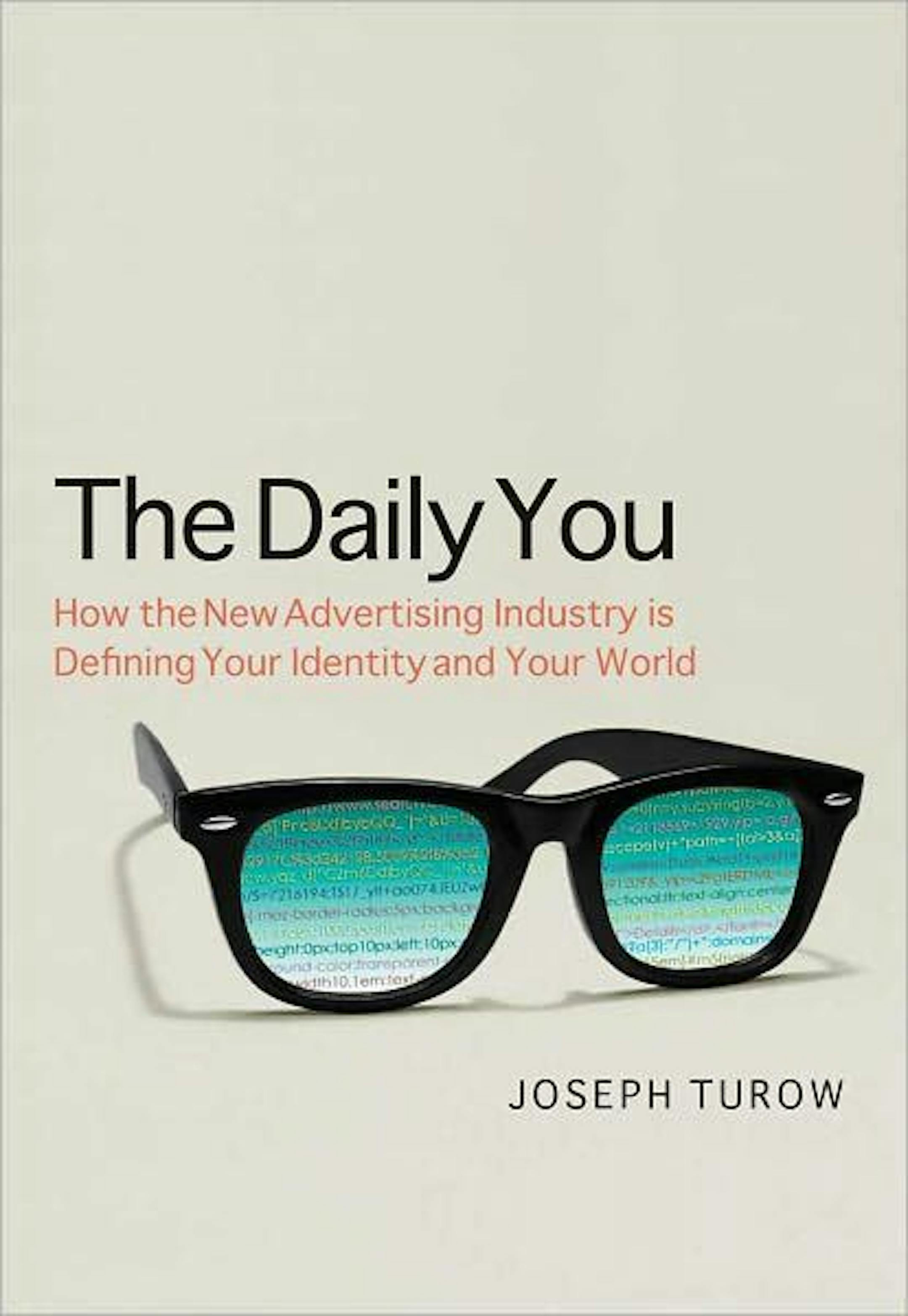
Joseph Turow, a professor of communications at the University of Pennsylvania, agrees. In "The Daily You" (Yale University Press, 256 pages, $28), Turow demonstrates that new (and largely invisible) media agencies are using digital technologies to collect unprecedented amounts of information, "customize" advertisements, discounts, news and entertainment, and exercise considerable control over what millions of Americans see and do. Their power to "track individuals and tailor materials," he warns, "is a template for the manipulation of citizens."
Most websites, Turow points out, now place a "cookie" on every visitor's computer. A text file with an identification code, the cookie records clicks during every visit to sites the creator controls. The search-engine Google developed an algorithm to match an ad for a product to the content of the Web pages the user is reading. The social-media giant Facebook sifted through "the seemingly chaotic stream of text and talk" to mine data relevant to marketing decisions; found ways to influence the conversations among friends (encouraging them to tweet about a person or product they like); and invited companies to set up their own Facebook pages (sharing with them the name, geographical location, gender and education level of every fan they attract).
Turow cites surveys that indicate that the vast majority of Americans, young and old, are concerned about Internet invasions of their privacy. They do not want advertisements, discounts or the news tailored for them. Users continue to behave indiscreetly online, Turow suggests, because they believe, incorrectly, that the law (and industry self-regulation) protects them. They do not realize, for example, that claims of anonymity are often disingenuous. After all, if a company can design and deliver customized messages to an individual, he or she is not "anonymous," even if a name and address have been stripped away.
Turow is right to worry that the Internet advertising "train has left the station." Nonetheless, with the hope that there still is time to address legitimate concerns about privacy, he recommends that the industry be required to create a "Do Not Track" option, and/or to expand the data (which now includes sexual preference, drug use and financial status) that is now opt-in or off-limits to "less explosive categories."
"The Daily You," then, provides an important and urgent reminder that in our excitement over the benefits of new technologies we run the risk of ceding influence over forces essential to protecting and promoting autonomous decisionmaking to an industry interested only in activating our buying impulses.
Glenn C. Altschuler is the Thomas and Dorothy Litwin Professor of American Studies at Cornell University.


