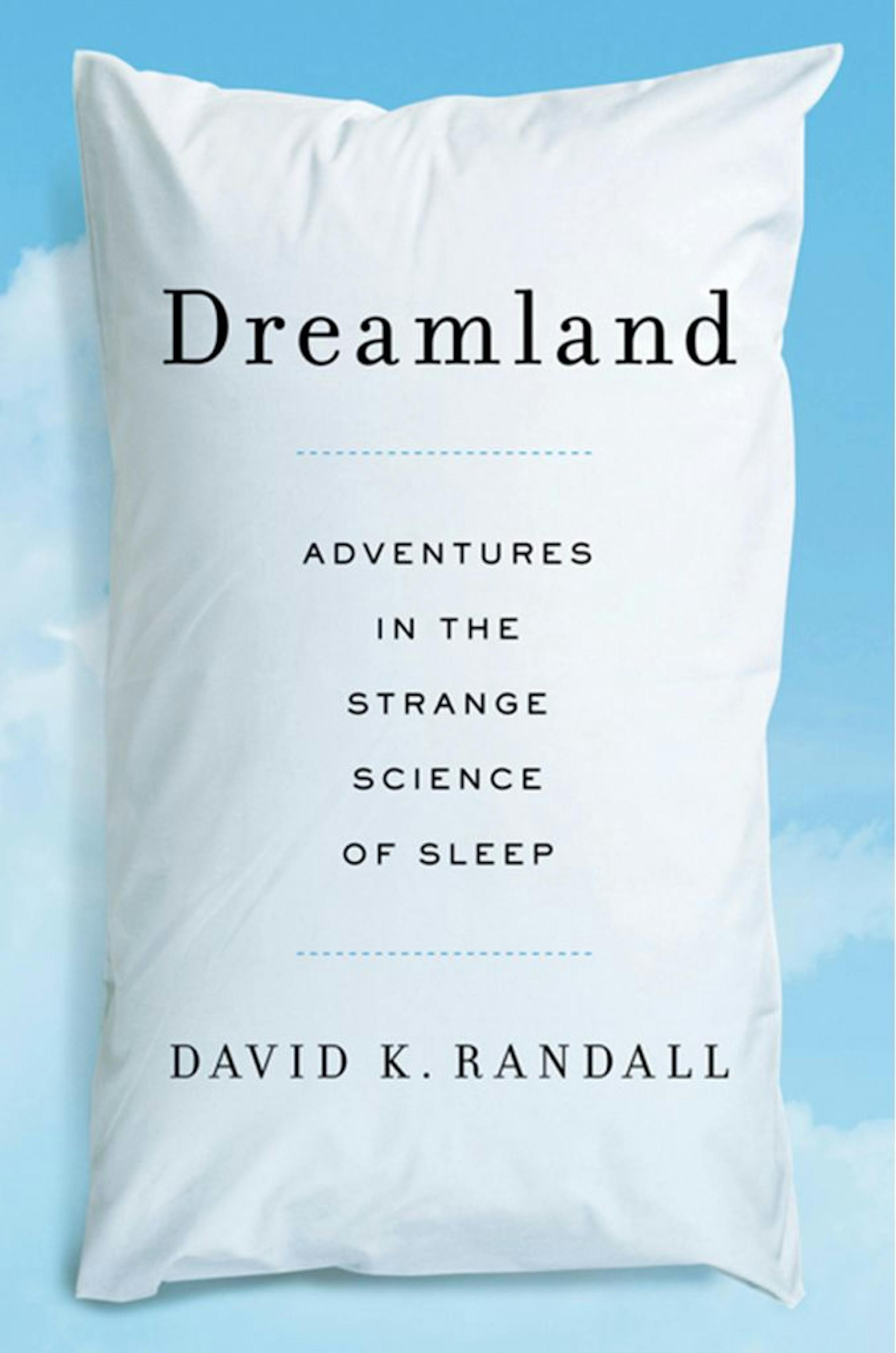
Journalist David Randall had an eye-opening experience when he sought treatment for his sleepwalking. Listening nervously to a doctor who specialized in sleep, Randall heard the words that would awaken him to write this book: "There's a lot we don't know [about sleep]," the doctor said. "Try to cut down on your stress and we'll see what happens."
Frustrated by this lack of data, Randall began tirelessly researching the big issues surrounding sleep, bringing readers up to date on each in a narrative that's anything but sleep-inducing. While sleep represents about a third of our lives, the number of unanswered questions -- such as why we dream, what health benefits sleep provides and how sleep-deprivation contributes to dysfunction -- remains staggering.
Randall begins by looking at sleep from an evolutionary perspective. He explains that people slept better before the invention of artificial light: "Electric light at night disrupts your circadian clock," he writes. "Your body reacts to bright light the same way it does to sunshine, sending out signals to try to keep itself awake." The stress and technology of modern life is often bad for sleep, he notes.
The author then moves on to the toughest mystery of all, the seemingly erratic sleeping habits of infants. Looking at existing research, Randall asserts that the way newborns sleep is completely different from their parents (no surprise here), but that parents can help infants with a few basic rules, such as "consistently following the same nightly script [which] makes bedtime less of a battlefield."
Dreams are perhaps the most fascinating part of sleep, and Randall does a brilliant job exploring theories from Freud on down. Sleep can also be a period of tremendous creativity, where "eureka" moments abound: "the brain consolidates information during sleep in order to make new connections" sometimes leading to creative breakthroughs.
In the book's finest chapter, Randall explores the steep societal costs of sleep deprivation. He focuses specifically on how sleep deprivation affects the U.S. military, directly causing incidents of "friendly fire" in battle or even the murder of civilians. Randall details how the military has responded in two ways, first by investing in research in artificial stimulants (far more powerful than coffee or Red Bull) and, second, by changing regulations to let soldiers get more sleep.
Throughout the book, Randall blends science with telling anecdotes. Best of all, he ends with some recommendations to help people sleep naturally, including maintaining a routine bedtime, reducing exposure to artificial light and exercising. After reading Randall's book, you'll probably know more about the science of sleep than most doctors, including Randall's own doctor, who started him on this journey.
Chuck Leddy is a writer in Boston and a member of the National Book Critics Circle.