On Labor Day 1930, an 85-year-old man named Robert Boyd shuffled across a wooden stage toward a microphone on the rolling plains of western Minnesota, 16 miles northeast of Fort Ridgely.
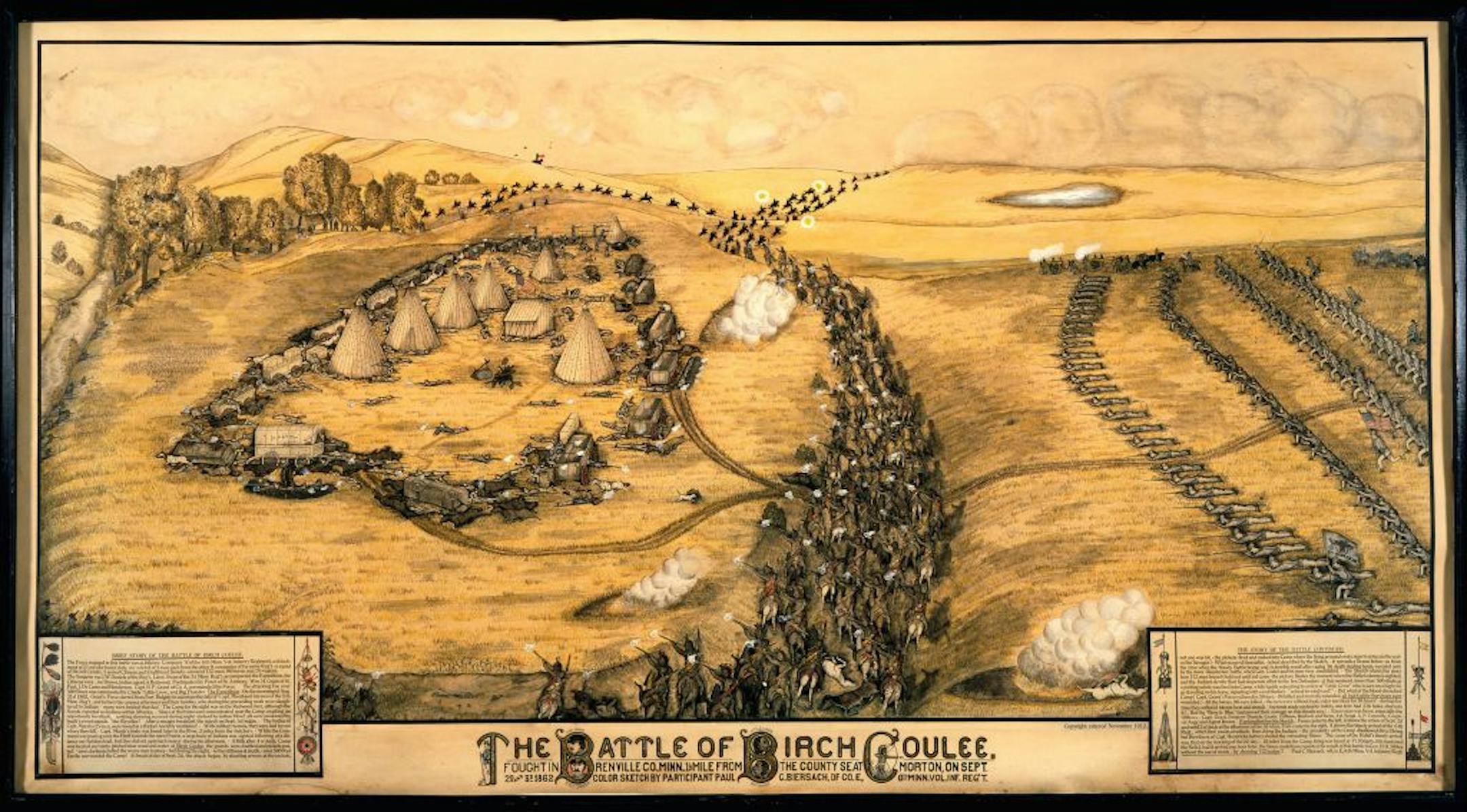
Thousands of folks had driven up gravel roads in boxy cars to watch parachutists, Indian lasso tricks, foot races and a re-enactment of the Battle of Birch Coulie -- the pivotal standoff in the U.S.-Dakota War.
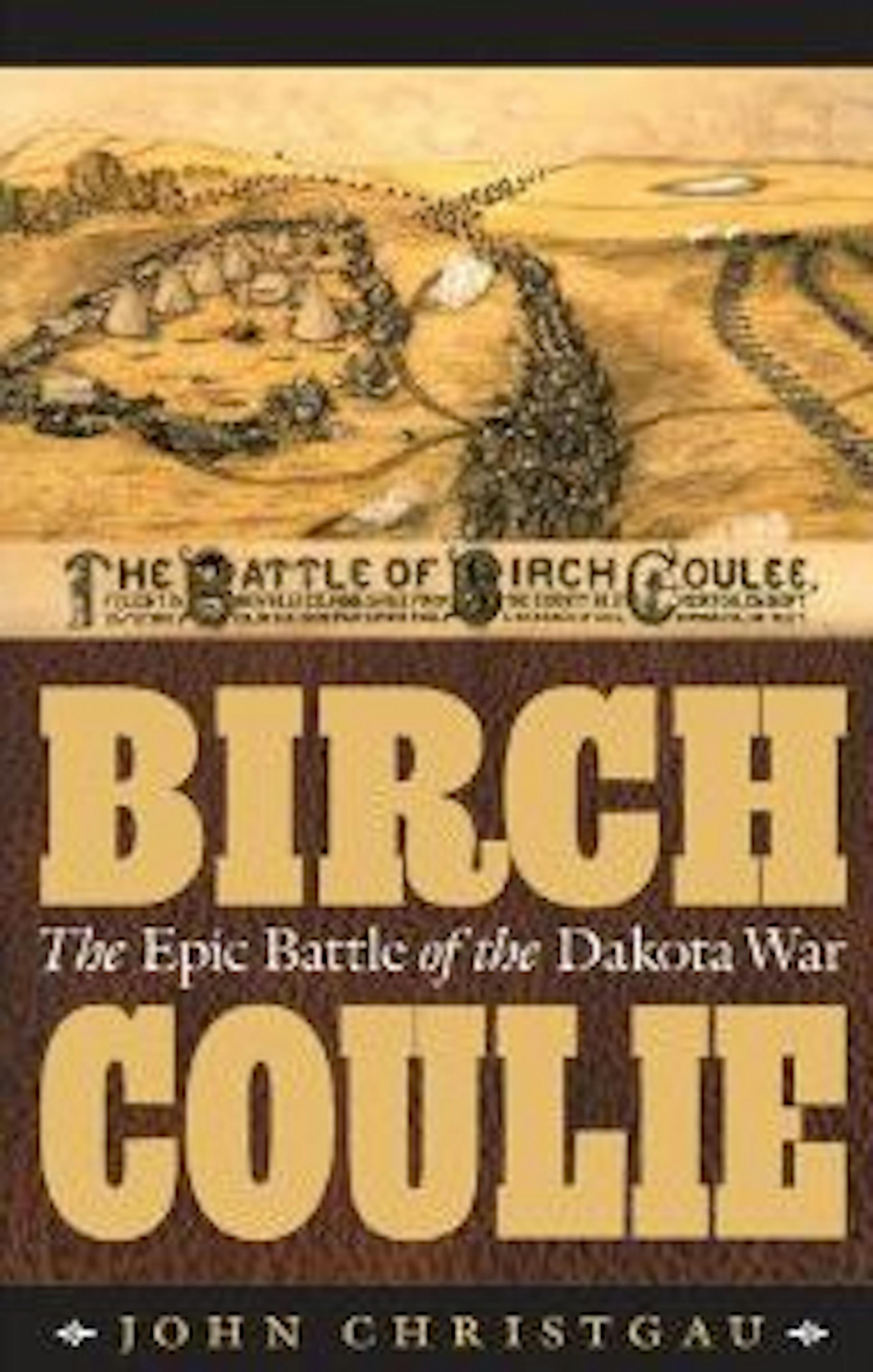
"The air, which 68 years earlier had been filled with the stench of dead soldiers and horse carcasses, now smelled of freshly plowed sod," John Christgau writes, toward the end of his new book, "Birch Coulie, the Epic Battle of the Dakota War."
Christgau's book is essential reading on the 150th anniversary of the largely forgotten, under-taught war that he describes as "a brutal collision of two worlds and cultures." And Boyd is one of the similarly forgotten, equally fascinating real-life characters who emerges from Christgau's taut, compact, 152-page account of the battle that ultimately answered this question: "Would the frontier, and Minnesota in particular, continue to offer settlers the beguiling dream of cheap fertile land around peaceful prairie communities? Or would it become a battleground for the Dakotas' equally beguiling dream of the return of their ancestral lands?"
Christgau first introduces us to Boyd when he's 17 and gung-ho to see some Civil War action, so he runs away from his family's home in St. Charles, near Rochester, and joins with the Sixth Minnesota Volunteer Regiment at Fort Snelling. Instead of Bull Run, Boyd winds up on a burial detail, shoveling graves of pioneers killed when the Dakota War erupts in the summer of 1862.
Setting the stage for the battle, Christgau's narrative bounces back and forth between settlers such as Boyd, and Little Crow, Big Eagle and other Dakota leaders who have been tricked into signing treaties, screwed out of annuity payments and are starving from the shenanigans of shady traders such as Andrew Myrick. He's the one who said of the hungry Dakota, "They can eat grass," only to become one of the first casualties -- his body found with grass stuffed in his mouth.
Nearly 70 years after the battle, Boyd is the lone survivor. He steps to the microphone and tells the crowd at the re-enactment a story "older than history and always the same, when a poor, ignorant, defrauded, and downtrodden people rise up in their wrath."
Christgau, like Boyd, isn't overly sympathetic to either side, parlaying rich details and complex historical characters to capture a vibrant snapshot of Minnesota history.