For many of us, a giant holiday dinner is a bonding experience where family and friends break bread and share stories.
But for those with a rare, newly recognized disorder called misophonia, the mere thought of such a meal inspires only anxiety and dread. People with misophonia hate certain noises — termed "trigger sounds" — and respond with stress, anger, irritation and, in extreme cases, violent rage. Common triggers include eating noises, lip-smacking, pen clicking, tapping and typing.
All that chewing, chomping, slurping and clinking of silverware can drive a person with misophonia to avoid family gatherings altogether. And worse, feelings of aggression tend to be amplified if the sounds are coming from those with emotional ties to the sufferer, such as family members or significant others.
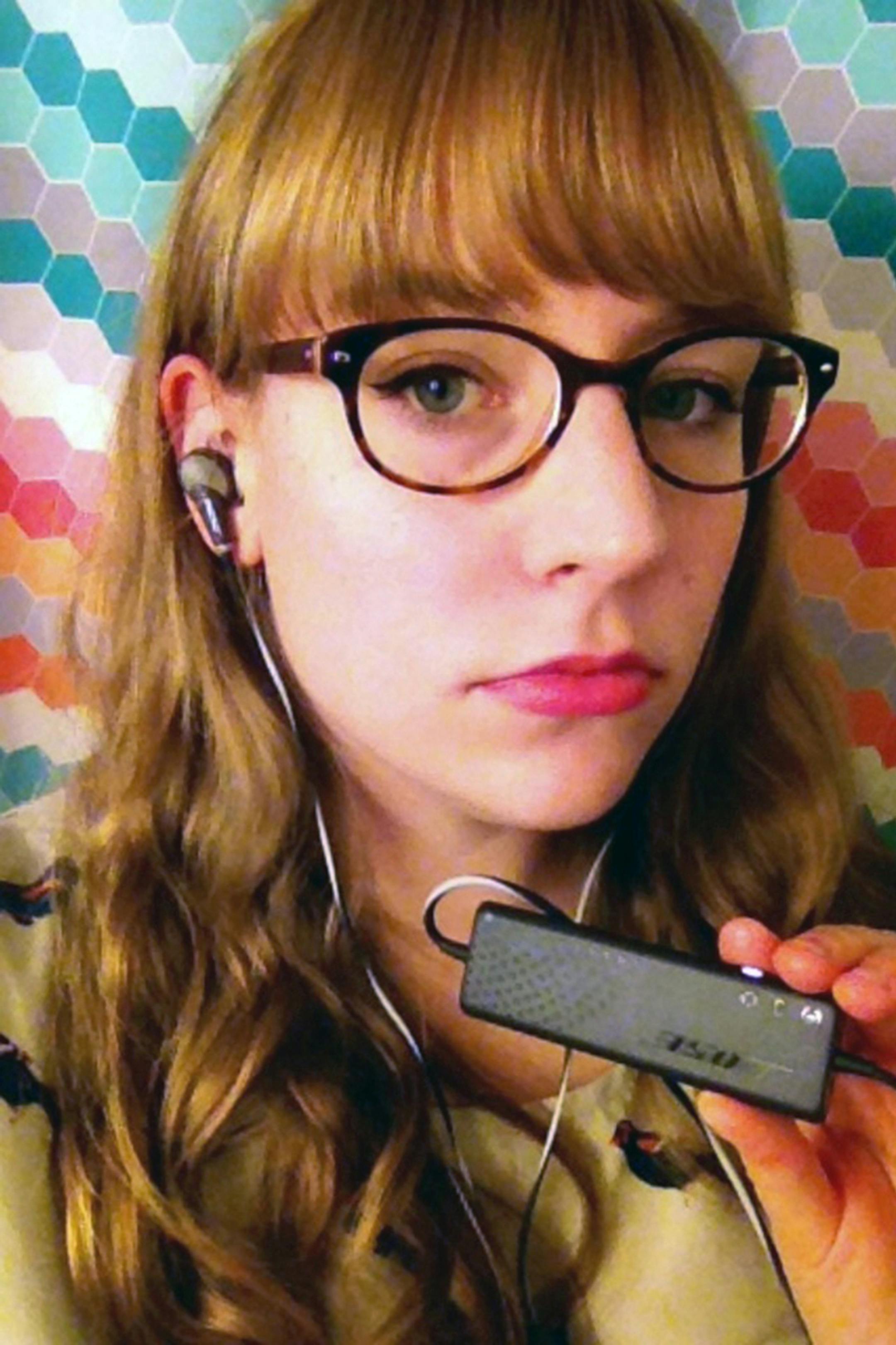
"I haven't eaten with my parents, at least without earplugs, in over a decade," said Meredith Rosol, 25, an elementary school teacher from Baltimore whose misophonia was diagnosed two years ago.
"I was 6 years old, and it started with my parents chewing at the dinner table," she recalled. Her list of triggers grew longer with every year: chewing, tapping, typing, heavy breathing, silverware clinking, foot shuffling. Even certain sights started bugging her, such as foot-shaking and fidgeting. At school, typical noises — like that of chalk scraping against the blackboard or the hum of a radiator — made her skin crawl.
"It's like a fight-or-flight response: Your muscles get tense, you're on edge, your heart races, and you feel the urge to flee," Rosol said.
The term misophonia, meaning "hatred of sound," was coined in 2000 for people who were not afraid of sounds — such people are called phonophobic — but for those who strongly disliked certain noises. Set off by stimuli that vary from person to person, the reaction, sufferers say, is like being sucker-punched in the gut.
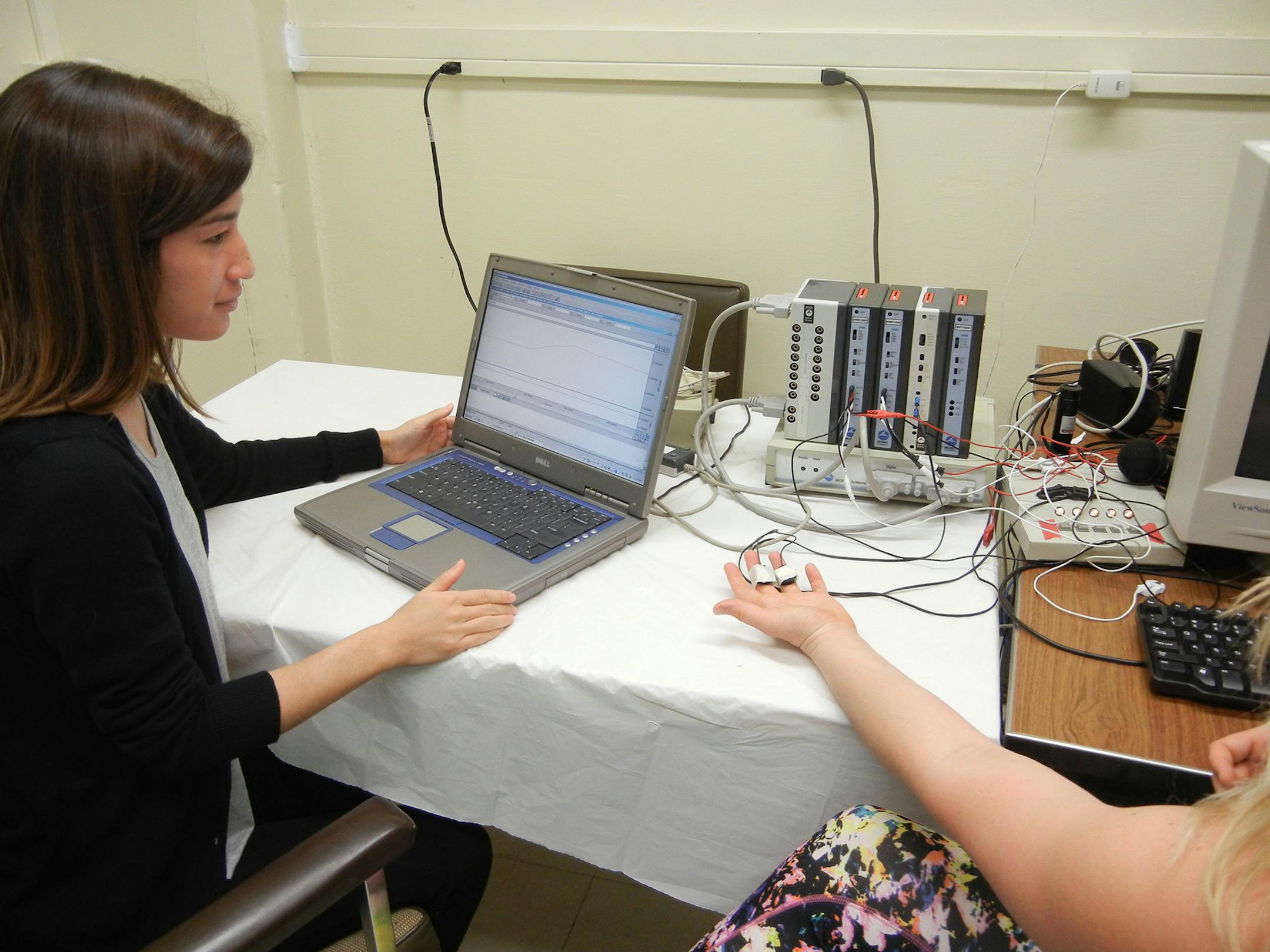
In 2013, a group of Dutch psychiatrists laid out the condition's diagnostic criteria and urged that it be classified as its own psychiatric disorder.