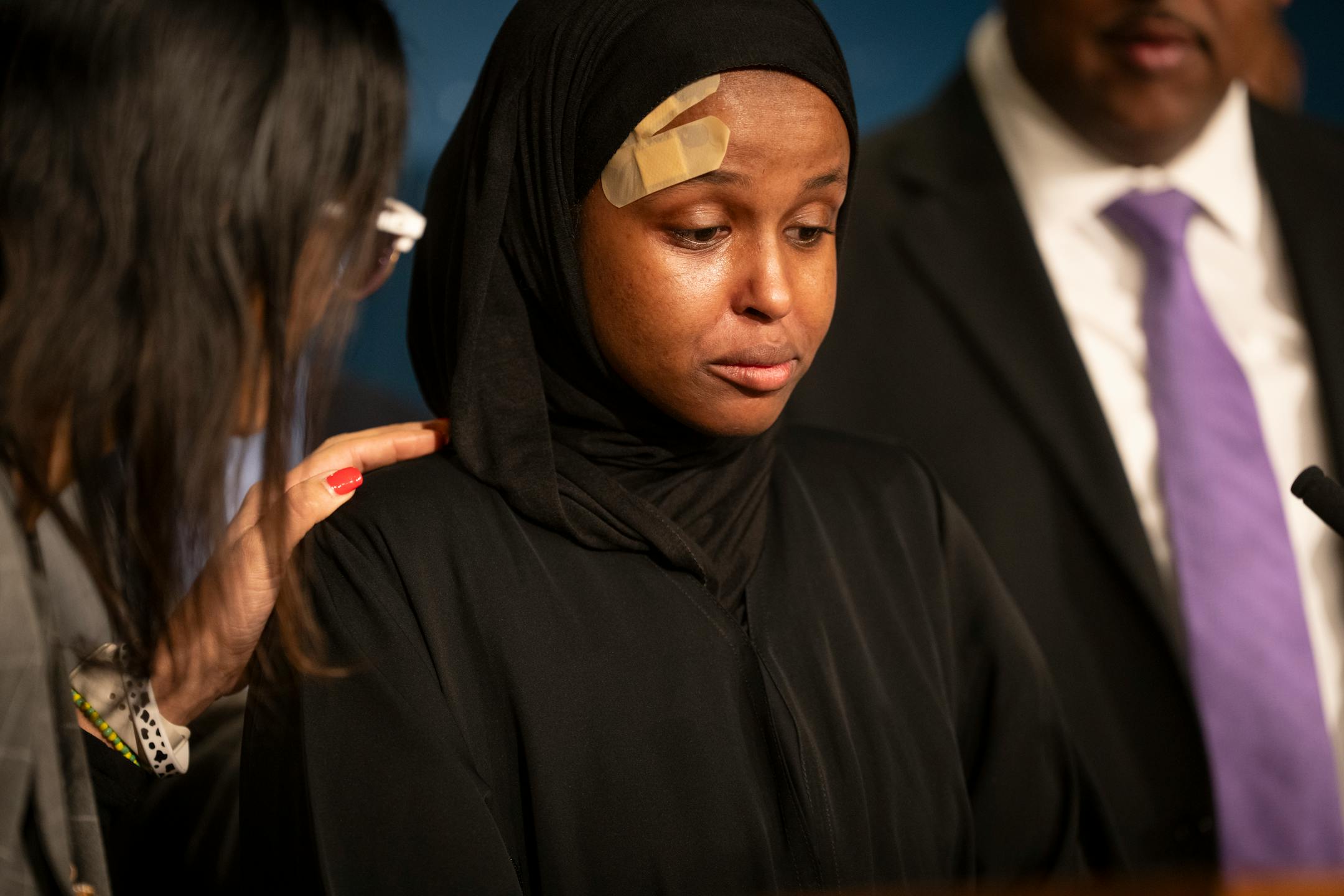
The young Muslim woman was shackled at the ankles. For 24 hours, she was locked inside a bathroom with three men at the Bishop Henry Whipple Federal Building, she said. They were given no bedding or pillows. Meals consisted of one sandwich a day.
The sink faucet did not work, but the single toilet did. When the men pulled down their pants to use it, the woman hid her face.
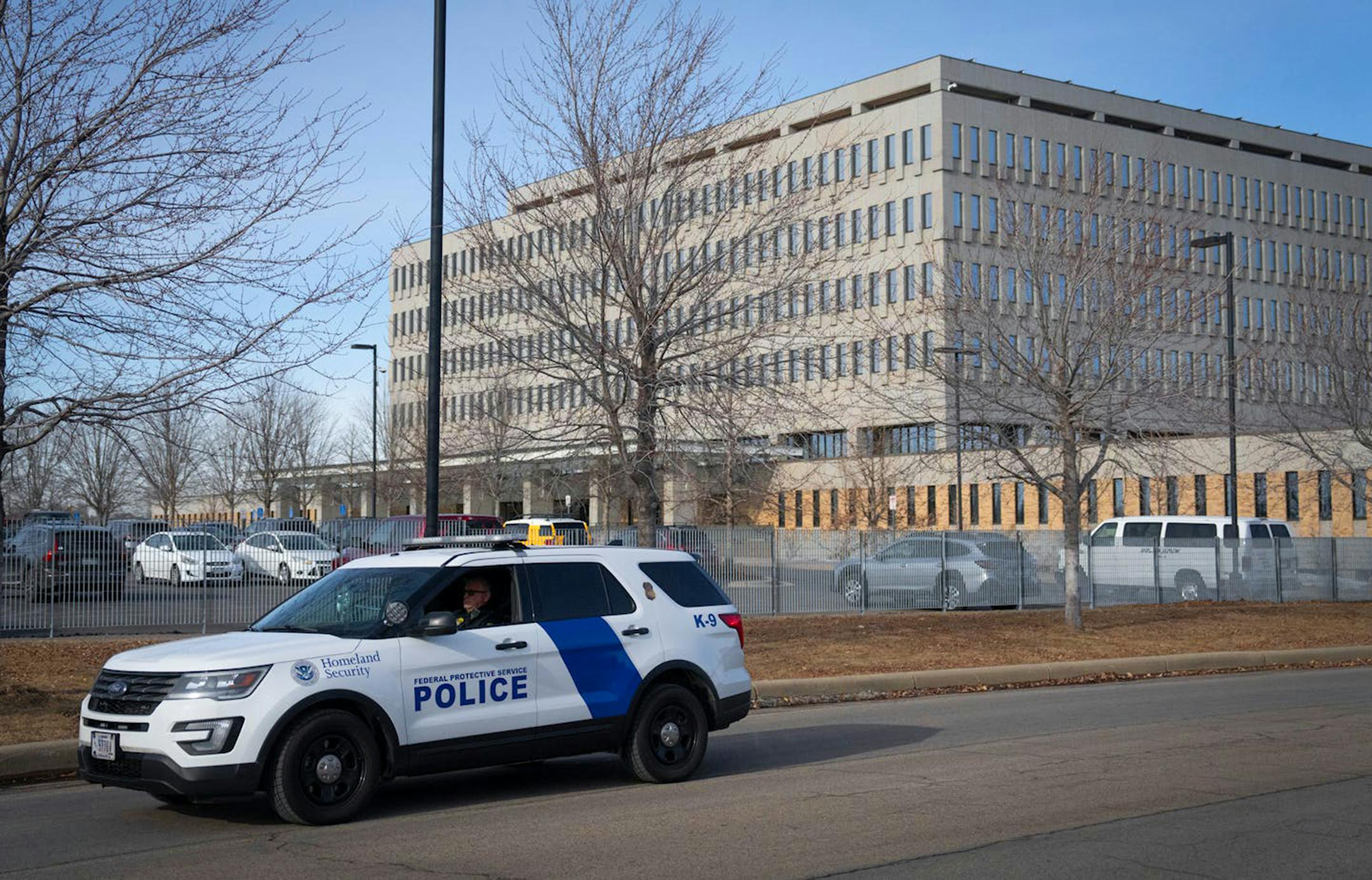
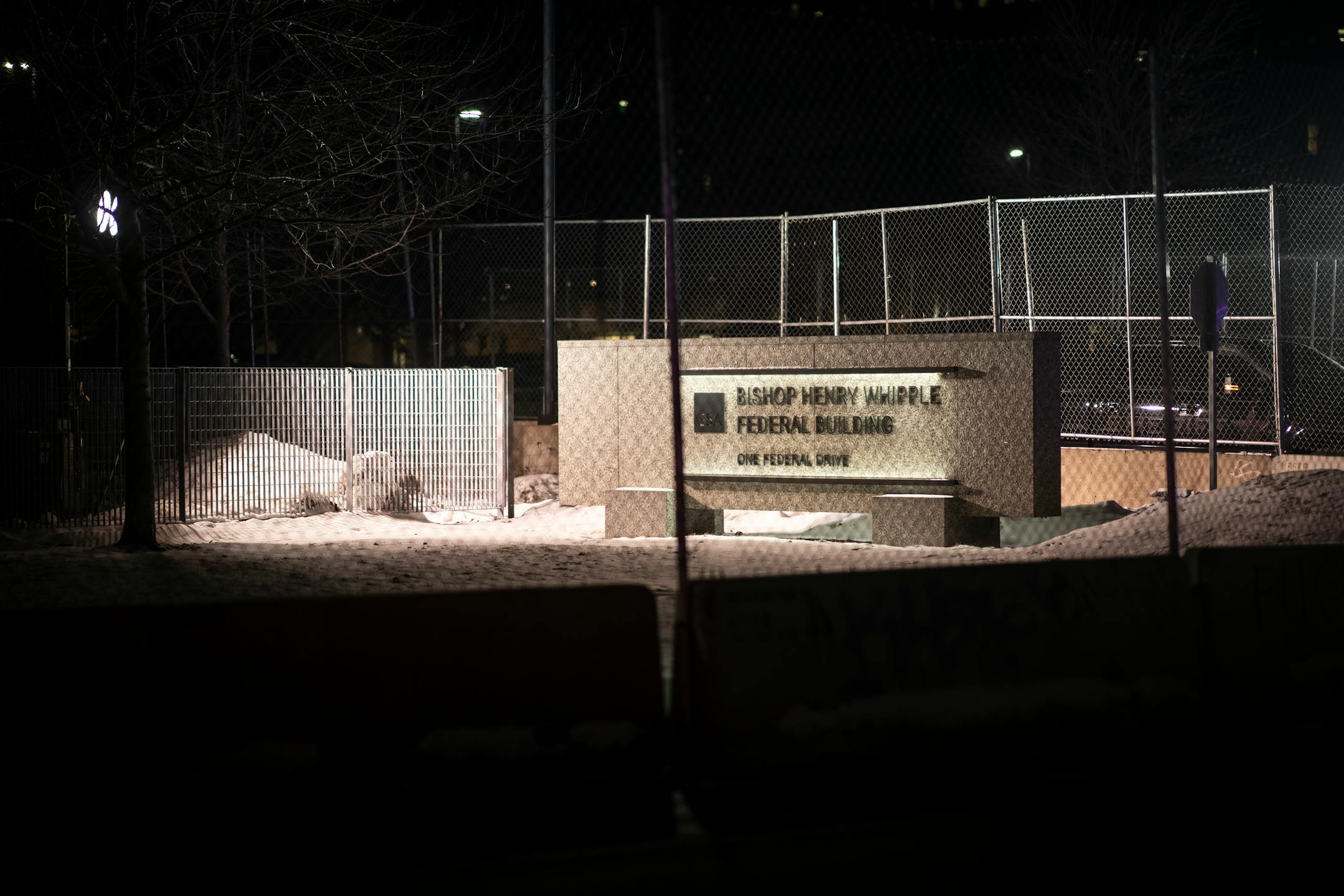
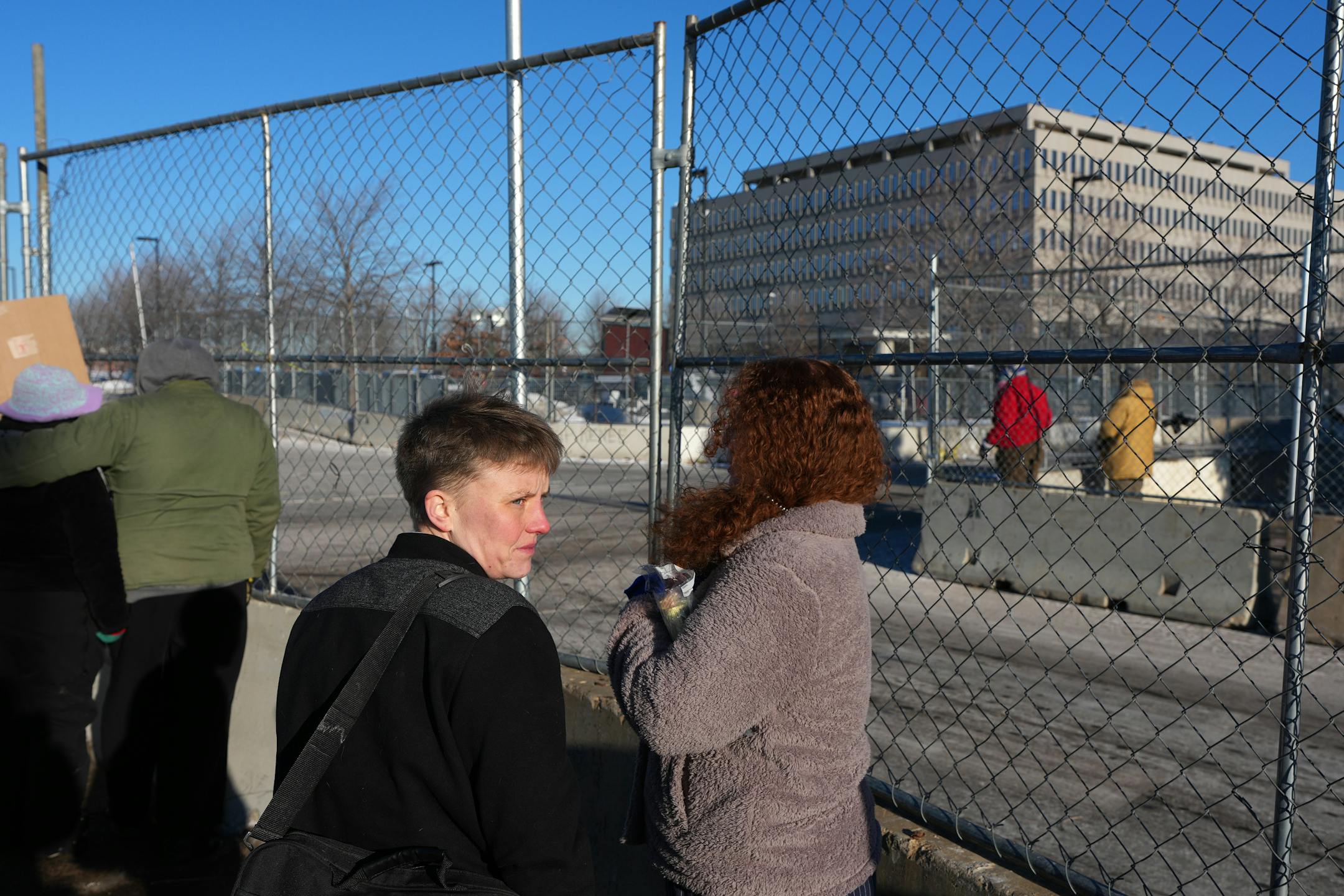
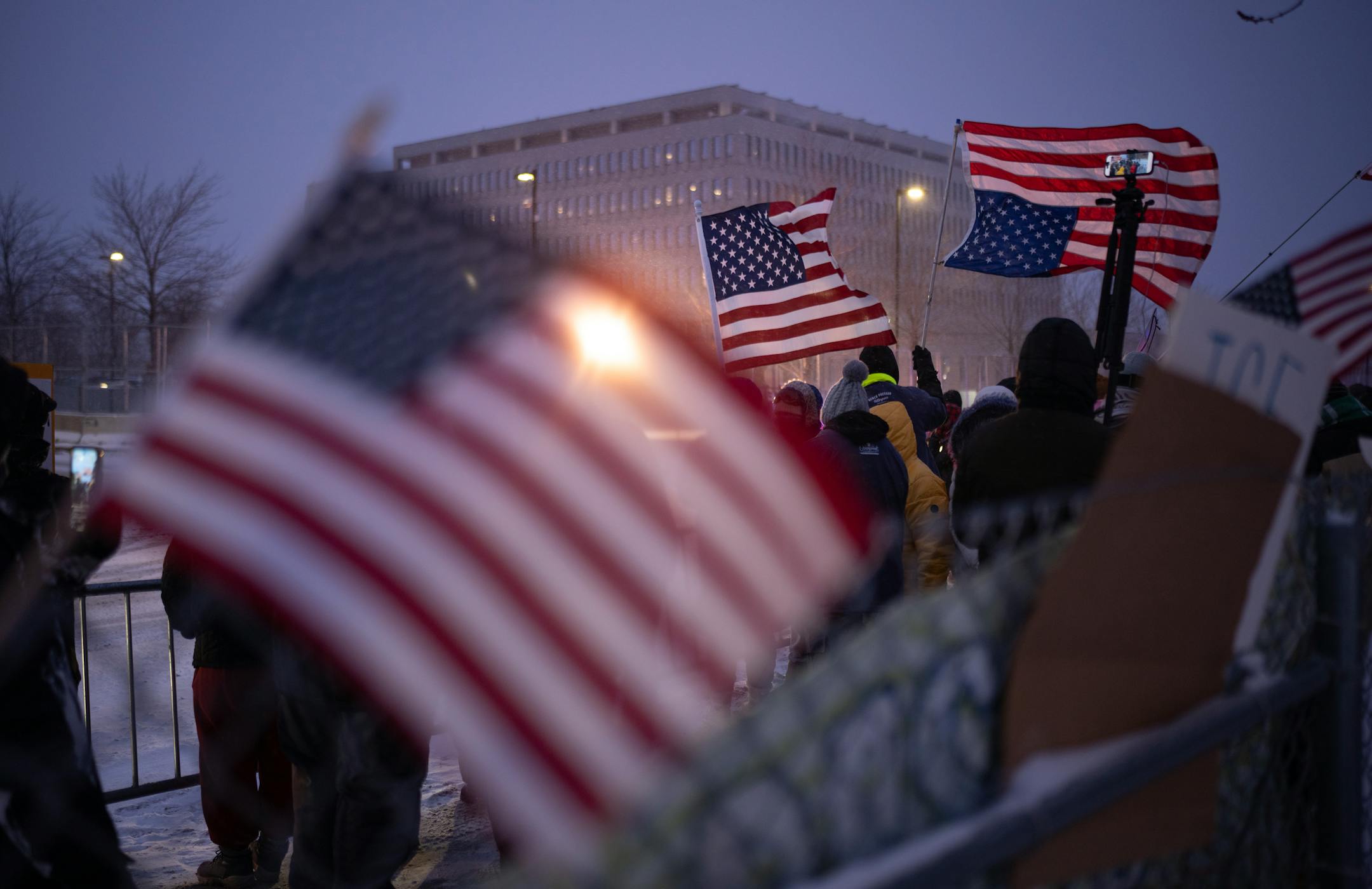
Federal immigration agents say they’ve arrested more than 3,000 immigrants since launching Operation Metro Surge in December. Many of them have spent some time at Whipple, a nondescript seven-story building near Minneapolis-St. Paul International Airport that has become the hub of the Trump administration’s immigration sweep and the protests in opposition.
The woman, a legal refugee who asked not to be named, fearing retribution, was one of 30 people who agreed to speak to the Minnesota Star Tribune about conditions at Whipple. They included immigrants who are in the United States legally and illegally, protesters and citizens who were detained there, as well as attorneys and immigration advocates. The Star Tribune also reviewed nearly 200 court records outlining wrongful detainment complaints and lawsuits filed in federal district court.
The interviews and court documents paint a picture of a place that was never intended for long-term detention and quickly became overwhelmed after the surge in Minnesota began.
Holding facilities were so crowded that immigrants in one cell had to take turns lying down because there was no space, according to a refugee detained there for one night in January. Basic human needs like food and medical care were sometimes denied.
“There was no humanity,” the woman who was locked in a bathroom said through a translator.
U.S. citizens detained while protesting U.S. Immigration and Customs Enforcement were kept in separate holding cells from immigrants, who were packed into tighter quarters.