

PHOENIX - An erratic Jared Loughner walked into a convenience store with an urgent message for the clerk: "I need a ride to Safeway."
It was Saturday morning, and then-Rep. Gabrielle Giffords' meet-and-greet started at 10 a.m. As he waited for his taxi, Loughner nervously paced around the store and made several trips to the bathroom, gazing anxiously at a clock. "Nine twenty-five. I still got time," he said.
Loughner arrived and got in line with others waiting to meet the congresswoman. He opened fire about 10 minutes later as screams of "gun" rang out through crowd. Within moments, Giffords lay bleeding on the sidewalk with 11 others who were wounded. Six people were killed.
Almost everyone who crossed paths with Loughner in the year before the shootings described a man who was becoming unhinged.
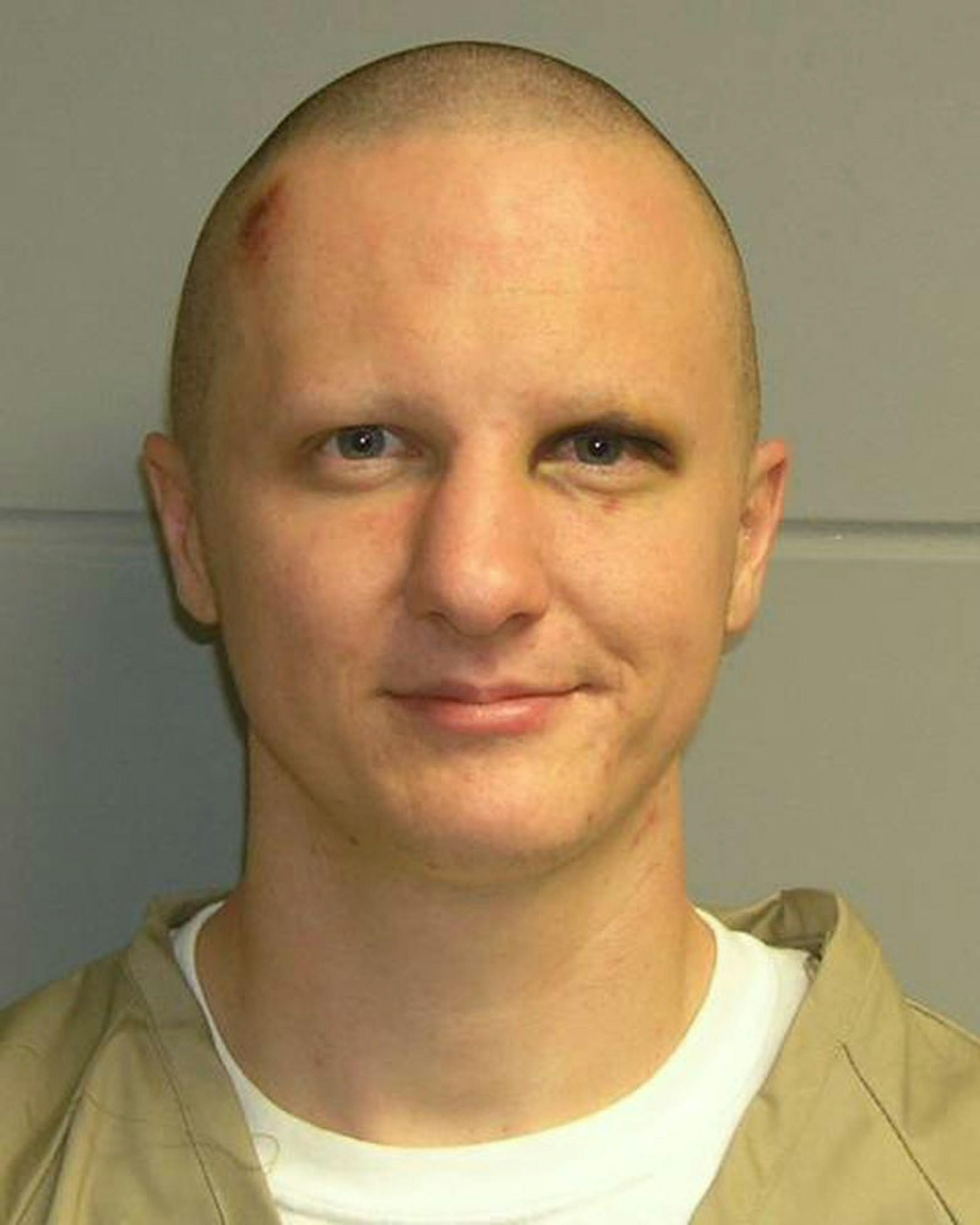
He got fired from a clothing store and thrown out of college, shaved his head and got tattoos of bullets on his shoulder. He showed up at the apartment of a boyhood friend with a Glock 9 mm pistol, saying he needed it for "home protection." He made dark comments about the government, and, according to one acquaintance, appeared suicidal.
His spiral into madness hit bottom on that Jan. 8 day in 2011.
The information about Loughner's mental state — and the fact that no one did much to get him help — emerged as a key theme in roughly 2,700 pages of investigative papers released Wednesday. Still, there was nothing to indicate exactly why he targeted Giffords.
The files also provided the first glimpse into Loughner's family and a look at parents dealing with a son who had grown nearly impossible to communicate with.


