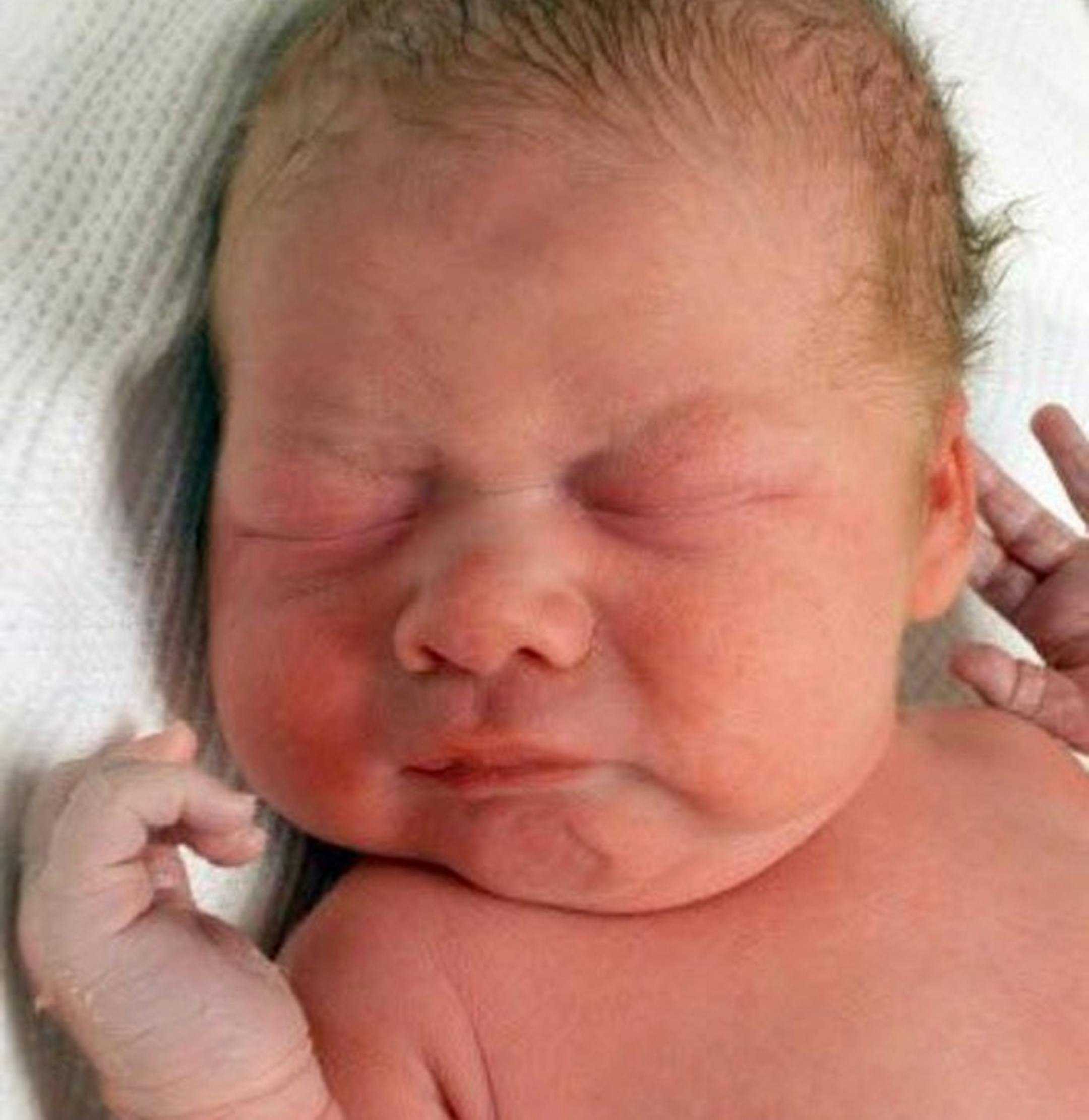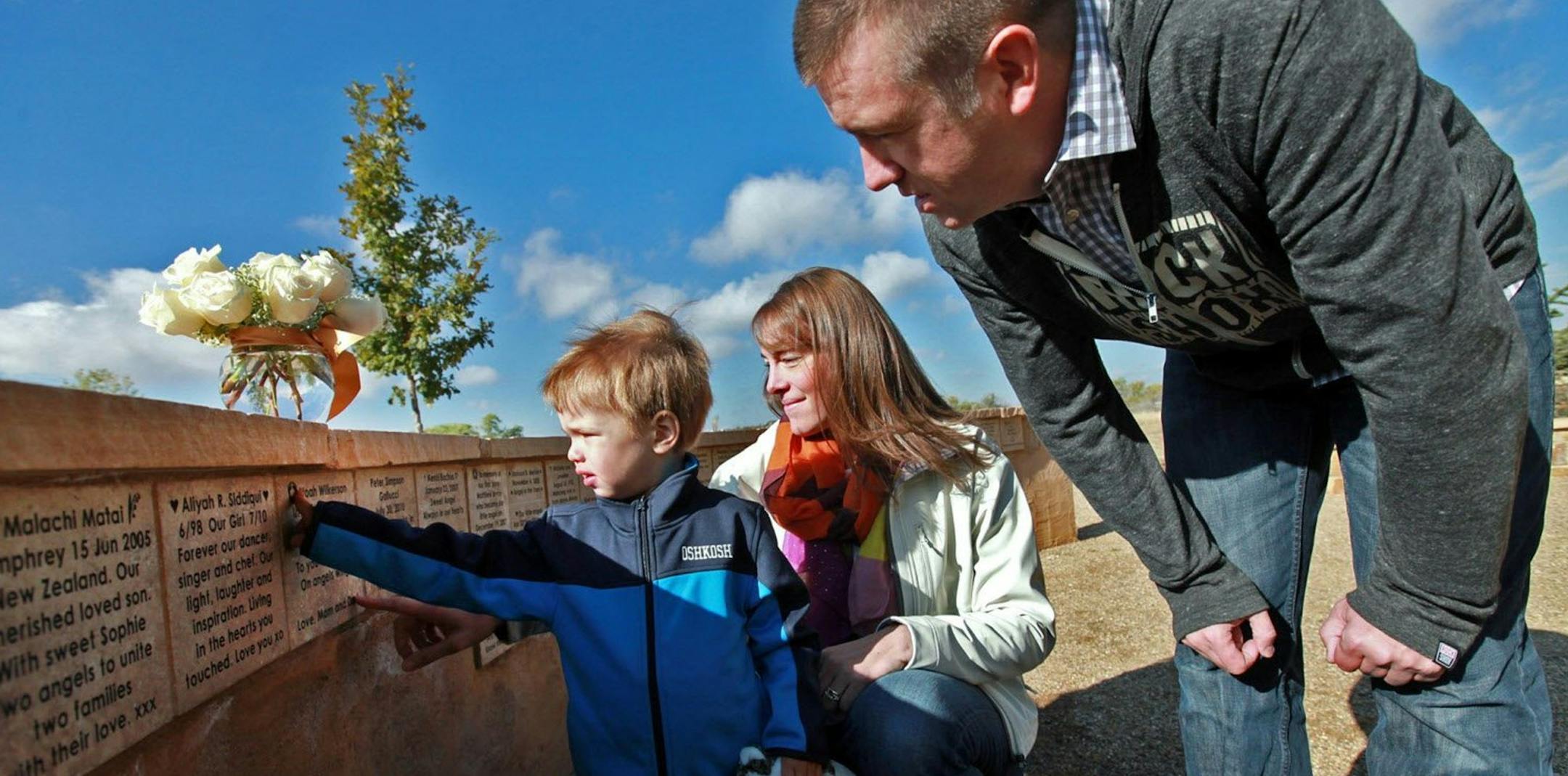
Less than 24 hours after Karen and Michael Hidde returned home from the hospital with their newborn, the baby went quiet. Karen could not wake him. Following the advice of a nurse, the new mother ran a cold bath and held Colton, her only child, in the bracing water.
The baby did not move. His body remained limp, eyes closed.
The Hiddes rushed Colton back to New London Family Medical Center. There, staff began drawing blood from Colton's foot for testing. But as the new parents watched, foamy blood began pouring from their baby's nose and mouth. "They tried finding an airway and they were having problems getting the tube down," Michael Hidde said. "There was too much blood."
Over the next 12 hours, Colton would be rushed by rescue helicopter to a hospital in Neenah, then by a second emergency flight to Children's Hospital of Wisconsin in Wauwatosa. He would arrive at Children's so close to death that two doctors would struggle to decide whether anything could be done to save him. It was a crisis that never should have happened.
Wisconsin screens virtually all newborn babies for 44 rare and treatable disorders. One is the metabolic disease that had brought Colton to the brink of death. Had the New London hospital followed Wisconsin guidelines and forwarded Colton's blood sample to the state lab within 24 hours of taking it, doctors could have treated the baby's illness before it became critical.
'Hospitals should never, ever batch samples'
Colton could have been put on a special diet and sugar water, then gone home after an extra day or two in the hospital, said one of his doctors, David Dimmock, an expert in metabolic diseases at Children's and the Medical College of Wisconsin. The case raises questions about a landmark public health program used across the nation and trusted by millions of parents like the Hiddes.
Developed 50 years ago, newborn screening was designed to save babies from death or irreversible harm by detecting rare diseases quickly. The tests have changed infant health, saving or improving the lives of 12,000 babies a year, said a 2013 report by the Association of Public Health Laboratories.
But a Milwaukee Journal Sentinel investigation found that delays at some hospitals undermine the effectiveness of the tests and put babies at risk. Records show Colton's test was not received at the state lab 115 miles away until five days after it was taken. Doctors say that sometimes screenings are delayed because a hospital waits until it has a group of tests to send together — a discouraged but unregulated practice known as "batching." Colton's test appears to have been delayed by this practice, said a genetics counselor at Children's who called the New London hospital to find out what had happened.