

Jim Essig eased the lurching Jeep to a stop. The state park manager wanted me to see something beyond the overgrown mining road that we bounced along on our tour of Minnesota's newest natural prize, Lake Vermilion State Park near Ely.
We took a short hike up to a rock outcropping rimmed by blueberry bushes and pine trees, and Essig pointed to jagged dark lines in the stone. "That's banded iron; 2.7 billion years ago, it was an ocean floor," he said. "This is one of a few places in the world where you can see pre-Cambrian rock like this." Other places have it, he said, but it's mostly buried deep underground.
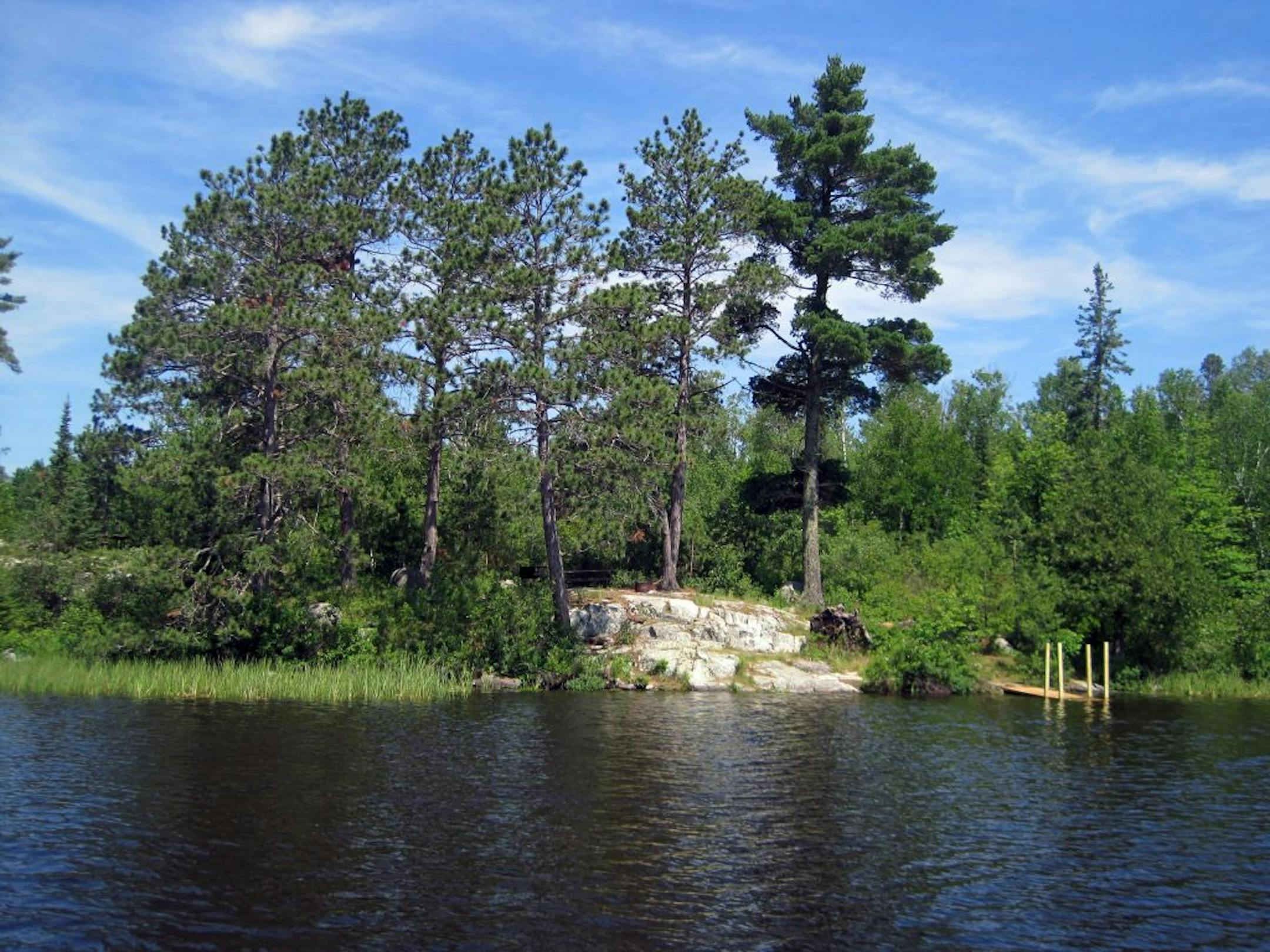
I looked up from the ground beneath us and took in an expansive view. From where we stood atop Lander Mattson Peak, island-dotted Lake Vermilion sparkled in the sun and its distant shoreline of pine and maple danced in the wind. Behind us were other rich environments, from wetlands to mixed forest, home to wildlife from warblers to bears.
The history Essig pointed out is impressive, but the land's future promises something even more striking. As it evolves ever more into the kind of state park that planners at Minnesota's Department of Natural Resources envision, it will protect a swath of pristine northern forest, secure public access to one of the state's most cherished lakes and, they hope, entice people who may have never before visited a state park.
Ron Potter, DNR's project manager for the park who helped guide my tour, called it a "next generation" park.
Someday, a marked trail will wind its way up to the spectacular vista offered at Lander Mattson, the highest point in the park at 1,589 feet.
In addition to a trail system, the first major state park to be created in more than 30 years will provide a wide range of activities and amenities. According to Potter, building a state park from scratch allows the DNR to provide what citizens want: campsites far from RV hookups, bike trails, even Wi-Fi.
Lake Vermilion State Park's master plan includes treehouses, an "adventure trail" with a ropes course, a lakeside campground, hike-in campsites, camper cabins and equipment rental. It could be like a visit to the Boundary Waters Canoe Area Wilderness -- which is just a few miles to the north and has a similar landscape -- but with no restrictions on motors.


