
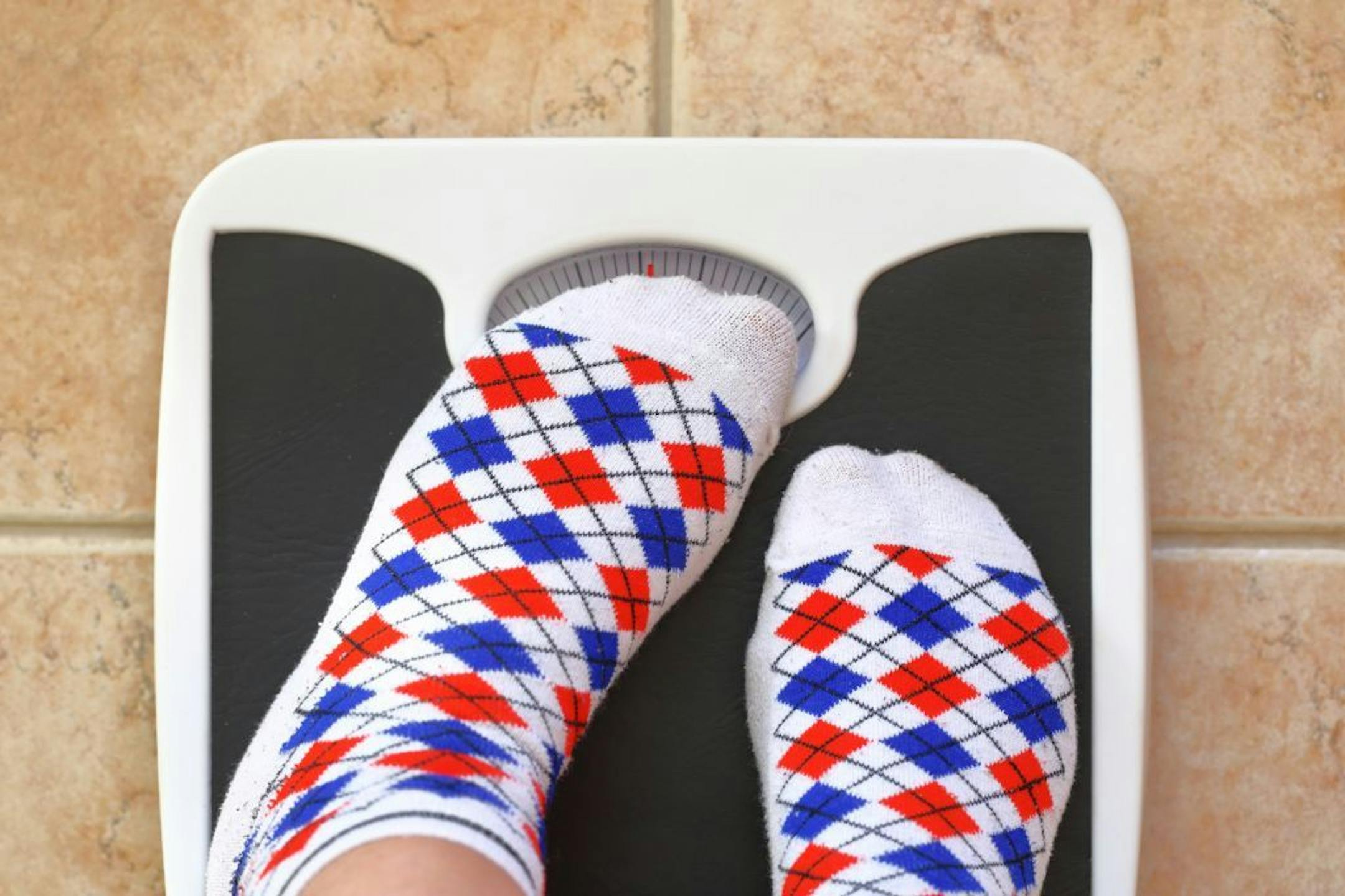
New research finds 'fat but fit' probably a myth

January 1, 2016 at 12:24AM
Overweight and obese Americans between 40 and 70 years old should be tested for type 2 diabetes, the U.S. Preventive Services Task Force now says.
Weight is the most important factor when it comes to long-term health. (Tns - Tns/The Minnesota Star Tribune)

Here's one more reason to keep that New Year's resolution to lose weight: your survival may depend on it.

New research suggests that people who are extremely overweight are at a higher risk of dying early — even if they are deemed physically fit.

Swedish scientists launched a massive study to test a widely held belief that being highly fit can offset the potential for fatal illnesses that come from obesity.

Their findings, published in the International Journal of Epidemiology, dispel a common theory that it's possible to be "fat but fit."

Apparently, weight is the most important factor when it comes to long-term health.

Of the 1.3 million young men who participated in the study for an average of 29 years, those who weren't fit but who weighed a normal amount were 30 percent less likely to die over the next few decades than the fittest obese men. Being "metabolically fit" meant the participants did not have insulin resistance, diabetes, high triglycerides or high blood pressure and had good cholesterol levels.

The researchers focused on aerobic fitness, using a cycle test to measure their fitness levels by having them pedal until they were fatigued. Obesity was defined using body mass index.

Men with weight in the normal range, regardless of their fitness level, appeared to have a lower risk of death compared to those who were obese but fit. Even more striking: the beneficial effect of high aerobic fitness appeared to be reduced with increased obesity. In fact, those at the most extreme in terms of obesity did not see a benefit at all from aerobic fitness.

The researchers said the findings suggest that being obese may reduce the protective effects of being fit: "This data does not support the notion that 'fat but fit' is a benign condition."

According to the World Health Organization, the higher the BMI, the greater the risk of diabetes, heart disease and some cancers.

"It's clear that both fitness and fatness are important," said Walter Willett, an expert on nutrition and health at the Harvard School of Public Health. "It's definitely good to be as fit as possible no matter what your body weight. But it's also clear that it is optimum to be both lean and fit."

The Washington Post contributed to this report. Allie Shah • 612-673-4488

about the writer

about the writer

Allie Shah

Deputy editor

Allie Shah is deputy local editor. She previously supervised coverage of K-12 and higher education issues in Minnesota. In her more than 20 year journalism career at the Minnesota Star Tribune, Shah has reported on topics ranging from education to immigration and health.

See Moreicon

More from Minnesota Star Tribune

See More
card image
J. SCOTT APPLEWHITE, ASSOCIATED PRESS/The Minnesota Star Tribune

The "winners" have all been Turkeys, no matter the honor's name.

In this photo taken Monday, March 6, 2017, in San Francisco, released confidential files by The University of California of a sexual misconduct case, like this one against UC Santa Cruz Latin Studies professor Hector Perla is shown. Perla was accused of raping a student during a wine-tasting outing in June 2015. Some of the files are so heavily redacted that on many pages no words are visible. Perla is one of 113 UC employees found to have violated the system's sexual misconduct policies in rece