![A field of switchgrass in a crp field belonging to farmer Larry Thomforde, seen Nov. 17, 2011, in Zumbrota, MN.Thomforde has about 50 acres of land in Zumbrota that he's kept in prairie for 15 years thanks to conservation reserve program. But he's seriously thinking of converting it to corn next year because crp prices have not kept up with inflation and he may not be able to renew his land in the program.] Zumbrota, MN - DAVID JOLES*djoles@startribune.com - Minnesota is facing the biggest lost](https://arc.stimg.co/startribunemedia/GBKDECIYWTN33HR4LGZ6YGGNJI.jpg?&w=1080)
Conservation groups are hailing the new federal Farm Bill, passed by the House last week and expected to be approved by the Senate this week and signed by President Obama, as a win for wildlife — and hunters, anglers and other outdoor enthusiasts.
Still, some might say it's a bittersweet victory because it comes with $6 billion in cuts to conservation. But the reality is the bill likely is also the best conservation advocates could get, and the cuts could have been much worse, supporters say.
"We are going to be celebrating this bill,'' said Steve Kline, director of government relations for the Theodore Roosevelt Conservation Partnership. "It is the best we can get.''
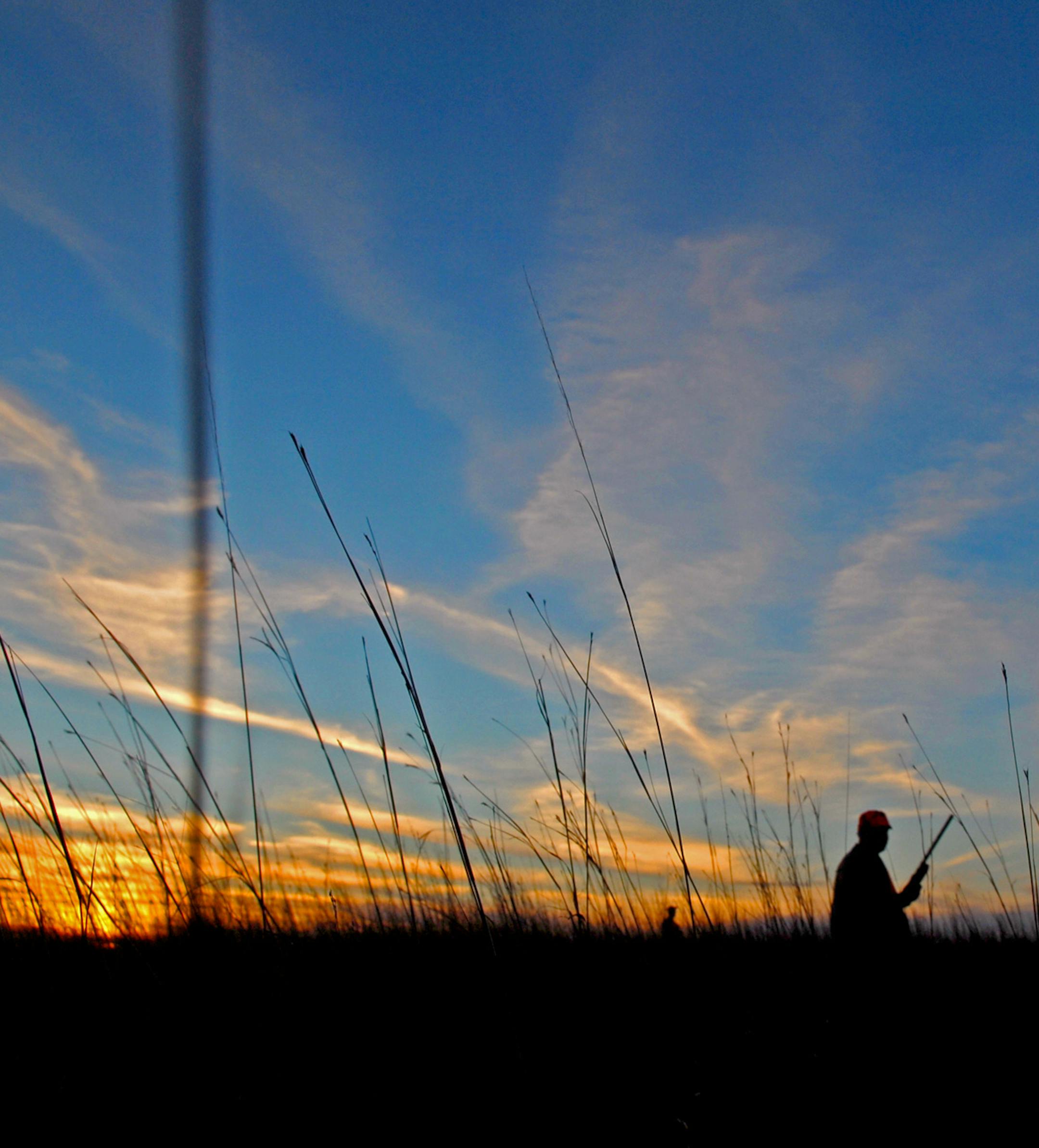
The measure funds the popular Conservation Reserve Program (CRP) — which has been a boon to wildlife, especially ground-nesting birds such as pheasants and ducks. Minnesota has about 1.3 million acres enrolled in CRP.
And the bill requires farmers to comply with conservation programs to fully qualify for taxpayer-subsidized crop insurance — a key provision sought by conservation groups.
It also includes a "sodsaver'' provision for Minnesota and five other states that limits subsidies for farming previously unplowed grassland. The goal is to protect the remaining native prairie.
And it includes $40 million a year in grants to states to provide public access to private lands — money that Minnesota has used to fund its new Walk-In Access program. Last year, about 20,000 private acres were open to public hunting through the program.
Long-term funding for the Walk-In program has been a concern, and the continued flow of federal dollars could keep Minnesota's program viable for at least several more years until a permanent funding source can be found.