

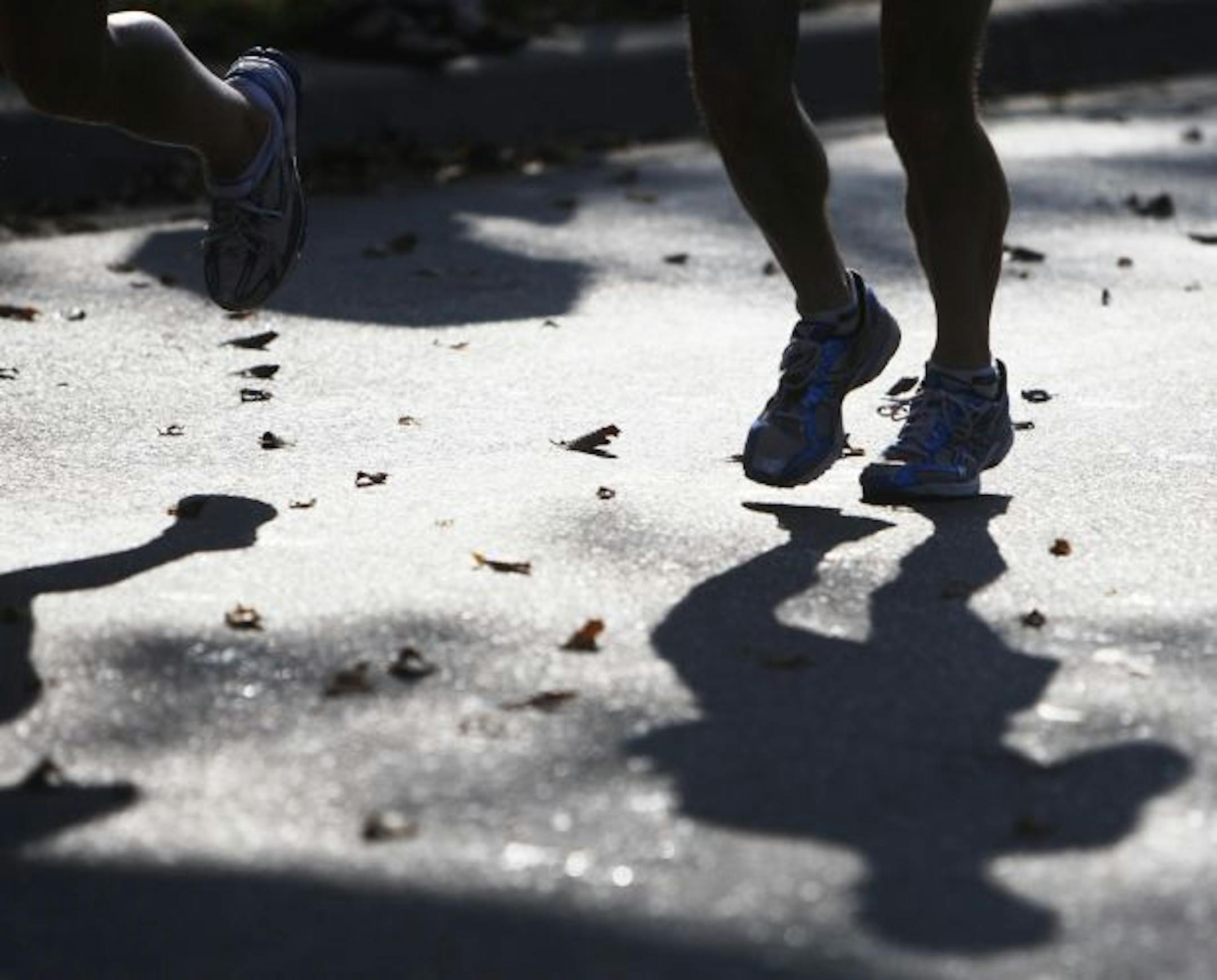
The servers at Zelo kept one eye on their outdoor tables and the other on a quiet Nicollet Mall as dusk approached on an early May evening. A stream of elite runners soon would pass the restaurant -- as well as the street musicians, the shoppers and the skateboarders -- as they ran toward a five-figure jackpot on the south end of the mall.
David Torrence dashed by the diners to win the men's competition at the inaugural U.S. 1-Mile road championship and the $10,000 bonus that came with breaking the 4-minute mark. That afternoon, the California middle-distance specialist noted how critical it is for track and field to come up with new concepts -- such as this evening race through downtown Minneapolis -- to widen a meager fan base. "We have to think outside the box and try things that aren't traditional," he said. "This sport is in dire need of dramatic changes."
Doug Logan knows that, and as chief executive officer of USA Track and Field, he's committed to finding ways to stoke interest. Officials of the Twin Cities Marathon are running beside him. The organization is working with USATF to promote the sport at all levels, with new events ranging from the elite U.S. 1-Mile to Wednesday's introduction of National Running Day.
National Running Day aims to get people of all ages and fitness levels to lace up their shoes and run. It also showcases one of the sport's greatest assets: its democratic nature. Elite runners from the Team USA Minnesota distance running group will participate in six Twin Cities fun runs, including one in Kenwood Park that will include Minneapolis Mayor R.T. Rybak.
"[The 1-Mile] was a fun way to enhance an event we're trying to grow, as well as a way to give back to the sport and the athletes," said Virginia Brophy Achman, executive director of the Twin Cities Marathon. "We have a rich history with hosting championships and trying to grow the sport, but we support championships at the local level, too. We're fortunate to have the running community that we do."
The Twin Cities Marathon will crown several national champions this October. Elite fields will run for the U.S. women's championship and the U.S. masters championship. The 10-mile race will determine the U.S. men's champion, and the total purse for elite men and women will be $145,000.
Yet TCM officials also know the lifeblood of their sport is found in the nonprofessionals who grind through training runs, hoping to gut it out for 26.2 miles in October just to earn a participation medal and a measure of personal satisfaction. Those legions of citizen runners buy shoes from the companies that sponsor the elite athletes. They pay the entry fees that fund purses for top competitors, and they root for their elite counterparts in such events as the Olympics and world championships.
USATF and such organizations as the Boston Athletic Association and New York Road Runners are co-sponsoring National Running Day as a means to get more people involved in distance running and celebrate the sport. The focus is on fitness and community, but by bringing elite athletes together with recreational runners, it also integrates the sport's diverse constituencies in a way that benefits all.


