

This week's Minnesota Orchestra program, conducted by Osmo Vänskä, begins and ends with an excursion to the countryside: Argentine, in the case of Alberto Ginastera's Suite from the 1941 ballet "Estancia," and Austrian, in the case of Beethoven's idyllic "Pastoral" Symphony.
Sandwiched between these rural outings is the world premiere of "Tributes," a violin concerto by the prolific James Stephenson -- formerly a trumpet player with a compositional itch in the Naples (Fla.) Philharmonic, now a full-time scribbler living in Chicago.
Stephenson, 43, is a composer of real talent. Although trained at the New England Conservatory, he is no academic note-spinner. His music aims to please -- and to provide performers with opportunities to strut their virtuosic stuff. Concertos (including, inevitably, one for trumpet) loom large in his output.
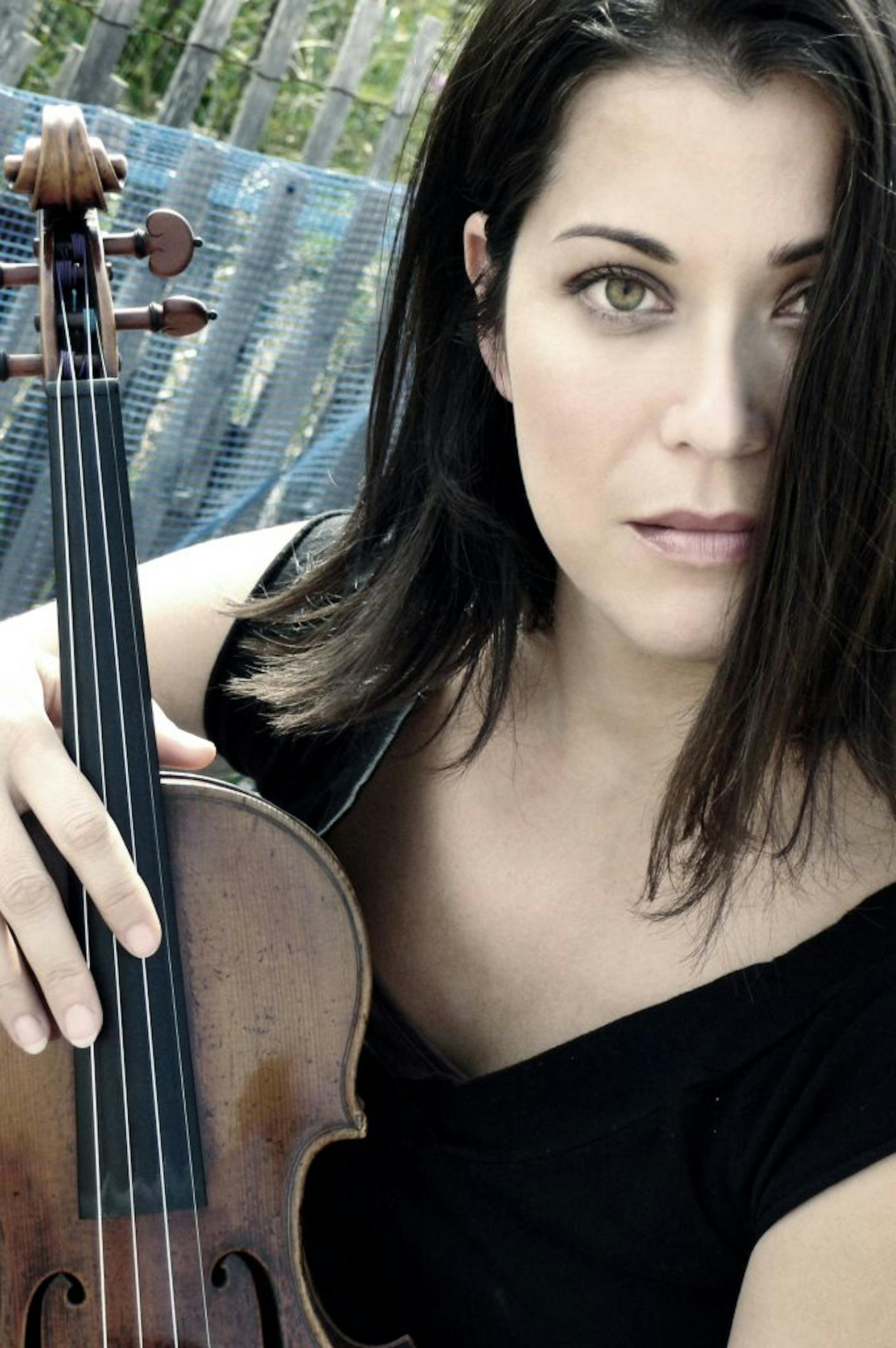
"Tributes," written for Stephenson's longtime friend Jennifer Frautschi, has enough ideas for a small library of pieces. But for the most part they are juggled rather than developed. The concerto relies heavily on a somewhat generic lyricism; like much recent orchestral music, it's a little busy, a little overscored. I was most taken with the slow middle movement, its languorous violin tune conjured from Louis Armstrong's 1927 recording "Hotter Than That." But even here I wondered whether less would have been more.
Frautschi, making her Minnesota Orchestra debut, was everything Stephenson could have wished, her playing full of fire and nuance, her cadenza a marvel. I could have listened all night to her dark-hued 1722 Stradivarius.
Three decades after his death, Ginastera has a seemingly secure place as Argentina's foremost composer. (His closest rival is his student Astor Piazzolla, father of the New Tango, who called his teacher a musician of "worldwide transcendence.") "Estancia," a portrait of life on one of the country's great ranches, was to have been choreographed by George Balanchine, but World War II intervened. Vänskä, always responsive to dance rhythms, struck sparks in the exuberant, percussion-energized "Malambo."
Vänskä's approach to the "Pastoral" Symphony -- a work of regenerative power, in Richard Wagner's view -- has changed little since his 2007 recording with the orchestra. The opening movement still strikes me as too fast and assertive: I want more repose, more respiration in this music. But matters improve in the sublime "Scene by the Brook," for which the conductor forgoes his baton and unleashes the band's extraordinary wind players (who on Wednesday outdid themselves). And if Beethoven's thunderstorm seemed, like the third-movement trio, a bit hyperbolic, the climax of the final movement sounded more radiant than ever.
Larry Fuchsberg writes frequently about music.


