

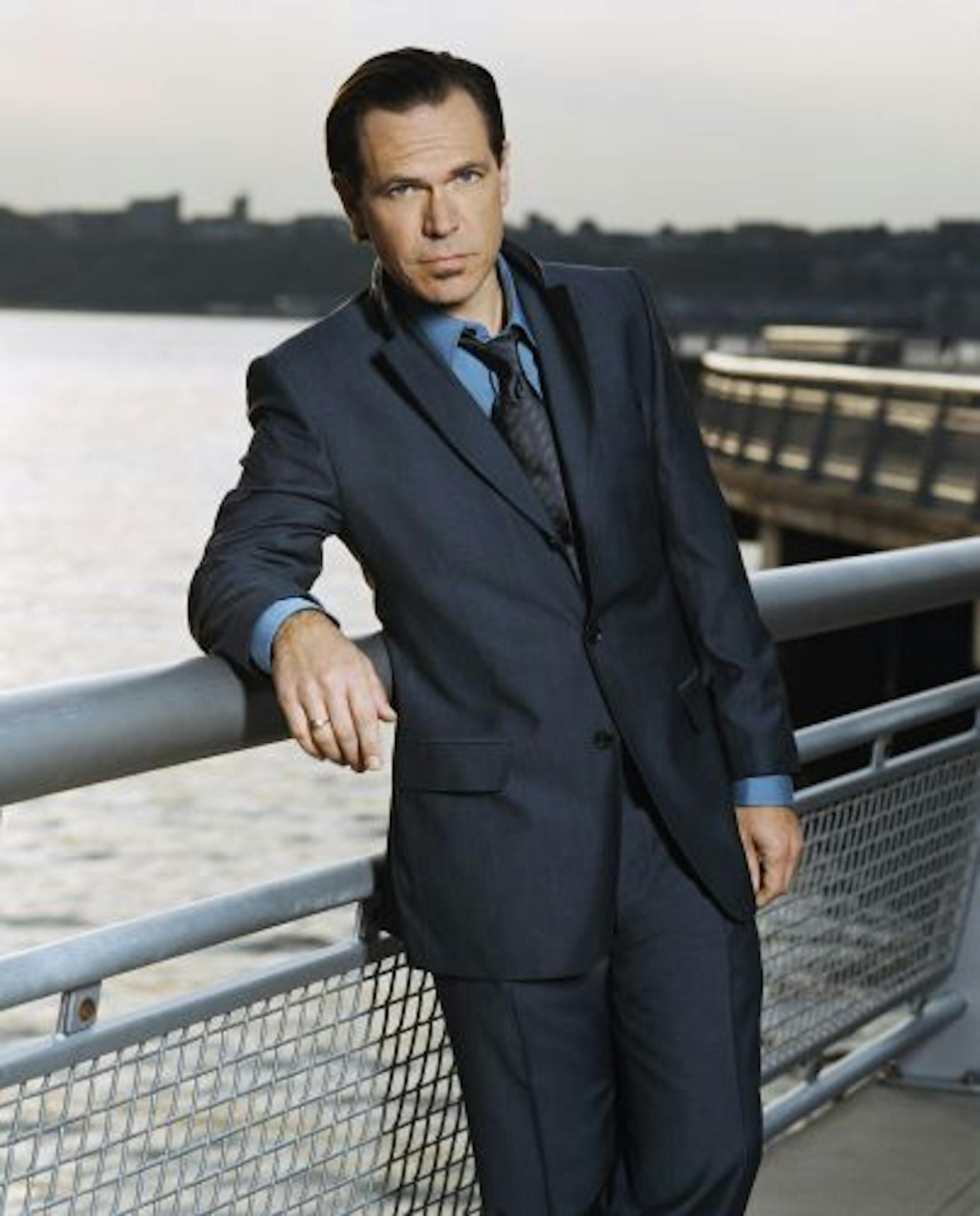
The most important part of a jazz singer's body might be between the ears, with nerve and gut instinct not far behind. Sure, the vocal cords, diaphragm and mouth are essential, but if you're singing jazz, you need to make the mundane magic and both challenge and coax listeners to go along for the ride.
Kurt Elling is generally regarded as the world's finest male jazz singer. He has won the Downbeat jazz critics' poll and the Jazz Times readers' poll six times in a row. His seven records have collectively been nominated for eight Grammys. But even with the four-octave range of his baritone, his voice deserves only part of the credit.
On his last studio recording, 2007's "Nightmoves," Elling wrote lyrics for a Keith Jarrett piano solo and slid it into a medley beside Frank Sinatra's "In the Wee Small Hours." He grafted a translation of a 13th-century poem by Rumi onto a Von Freeman solo of Duke Ellington's song "I Like the Sunrise." He set Theodore Roethke's 1953 poem "The Waking" to music, and performed a relatively straightforward version of the Guess Who's cheesy but beguiling pop hit, "Undun," which hit the airwaves in 1969, when he was 4.
All this and other flourishes were seamlessly woven into the fabric of a dawn-to-dusk concept album.
Elling's vocal style is nearly as intrepid as his muse. Like his mentors, vocalese maestro Jon Hendricks and beatnik singer Mark Murphy, he is a man of eloquent jive, cross-breeding high and low culture into a hybrid at once magnificent and amusing. Along with vocalese (making up lyrics to well-known melodies) and scatting (wordless, staccato, vocal rhythms), he engages in something he calls ranting, which is improvised stories and tales, like freestyle rap with the slippery swing of jazz.
Plush and pensive
The show Elling will perform this evening at Ted Mann Concert Hall is tame only by comparison. Titled "Dedicated to You," it revisits one of the most beloved records in the jazz canon, "John Coltrane and Johnny Hartman," the 1963 session that marked the only vocal project in Trane's distinguished career. Laden with plush balladry, the material is a serendipitous vehicle for Hartman's buttery baritone and Coltrane's pensive, rubato horn lines.
The idea did not originate with Elling. "Two summers ago, the Chicago Jazz Festival gave me a call and invited me to do the Johnny Hartman material as an opening act for Josh Redman doing [Coltrane's] 'Africa Brass,'" Elling said recently by phone. "I was interested in expanding it as something to keep the band working and give audiences something else to listen to. Concord [his record label] heard the material at the Monterey festival and got excited about recording it. I decided to do a live recording so I didn't have to be so fussy." (That record will come out this summer.)


