

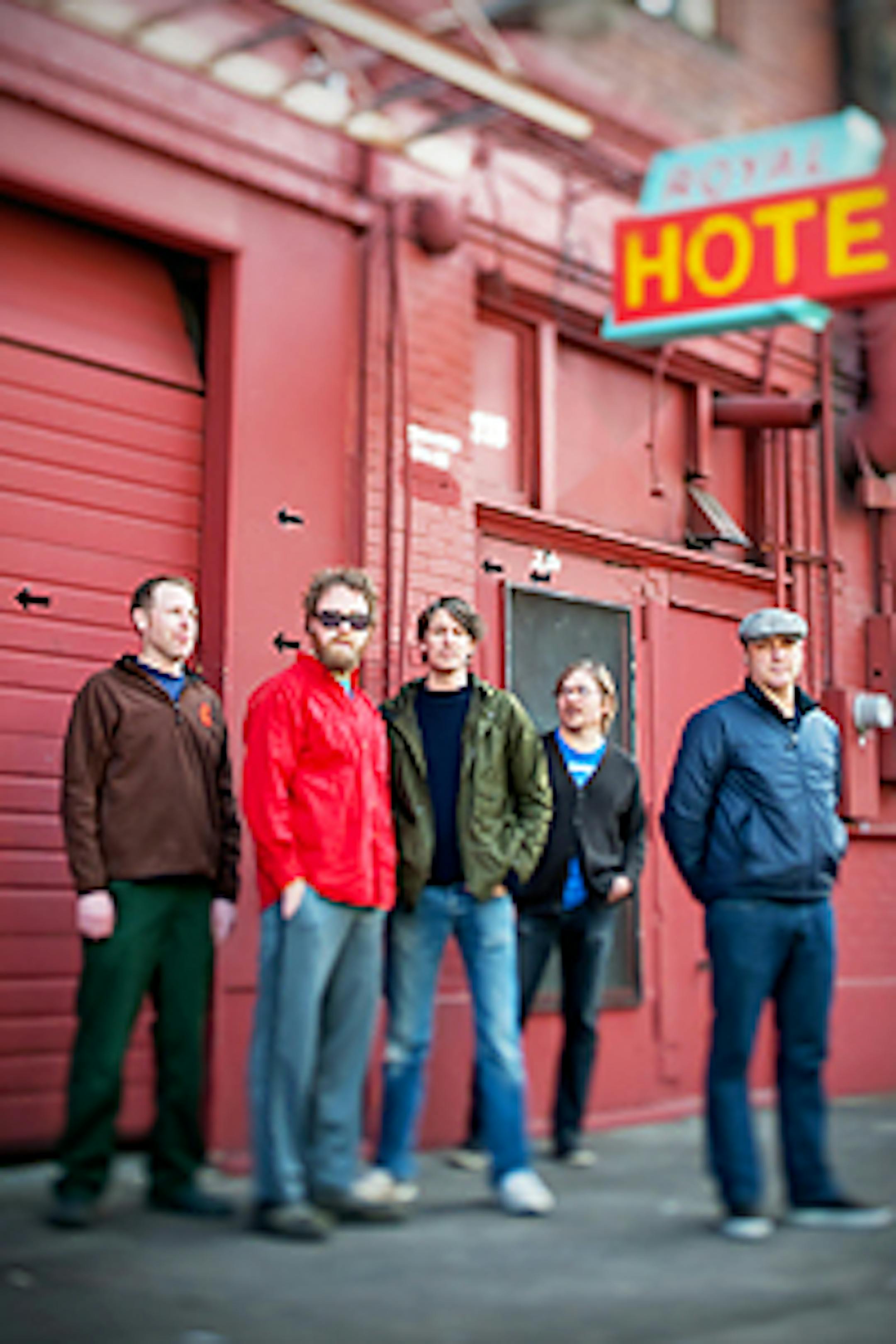
They were one of the more influential indie-rock bands back when the scenesters still called it "alternative," and two of their albums consistently rank in critical tallies on the best of the '90s.
One thing Pavement never quite gained a reputation for, however, was being a solid live act. Since the quintet from Stockton, Calif., often left fans underwhelmed, or even scratching their heads, Pavement's 70-date reunion tour coming Sunday to Roy Wilkins Auditorium stands out as an interesting and perhaps even questionable venture.
"We were never a well-oiled machine," agreed Bob Nastanovich, the band's percussionist, occasional vocalist and resident Midwesterner. "But I think the wheels are greased as well as they've ever been."
Reached at home last week in Des Moines, Nastanovich was frank about the disorder that could mar the band's shows in its initial decade-long run, which wrapped up in 1999 as frontman Stephen Malkmus moved to Portland, Ore., and started a solo career.
"The first several go-rounds the band made around the country were very inconsistent due to the extreme alcoholism of our drummer at the time," Nastanovich said, referring to ex-member Gary Young. Pavement's first-ever Twin Cities performance at the Uptown Bar was nearly derailed by Young's erratic behavior, which led to a patron throwing a glass at his head: "It missed him by about 2 inches, and Gary's big blue eyes bugged out like a fish," Nastanovich remembered.
After Young's dismissal in 1993, the band "steadily became more consistent," Nastanovich said, but it continued to "rehearse as irregularly as possible" while messing with its music. "Stephen had a knack for trying to tool with the rhythm section for his own personal enjoyment."
The group finally became consistent on tour behind 1999's "Terror Twilight," when the members realized they would be packing it in at the end of the trek. Said Nastanovich, "We were all extremely burned out on touring, and there was ample frustration with other things.
"It was the end of the '90s, and the music biz was pretty clearly changing. There were a lot more electronic elements and things we didn't really want to be a part of. And Stephen was pretty frustrated working with a band that didn't live anywhere near him."


