
Music: Marsalis meets Thelonious

Wynton's Jazz at Lincoln Center Orchestra salutes jazz great Monk in the first of two concerts this weekend.

For the Minnesota Star Tribune
March 7, 2009 at 7:47AM
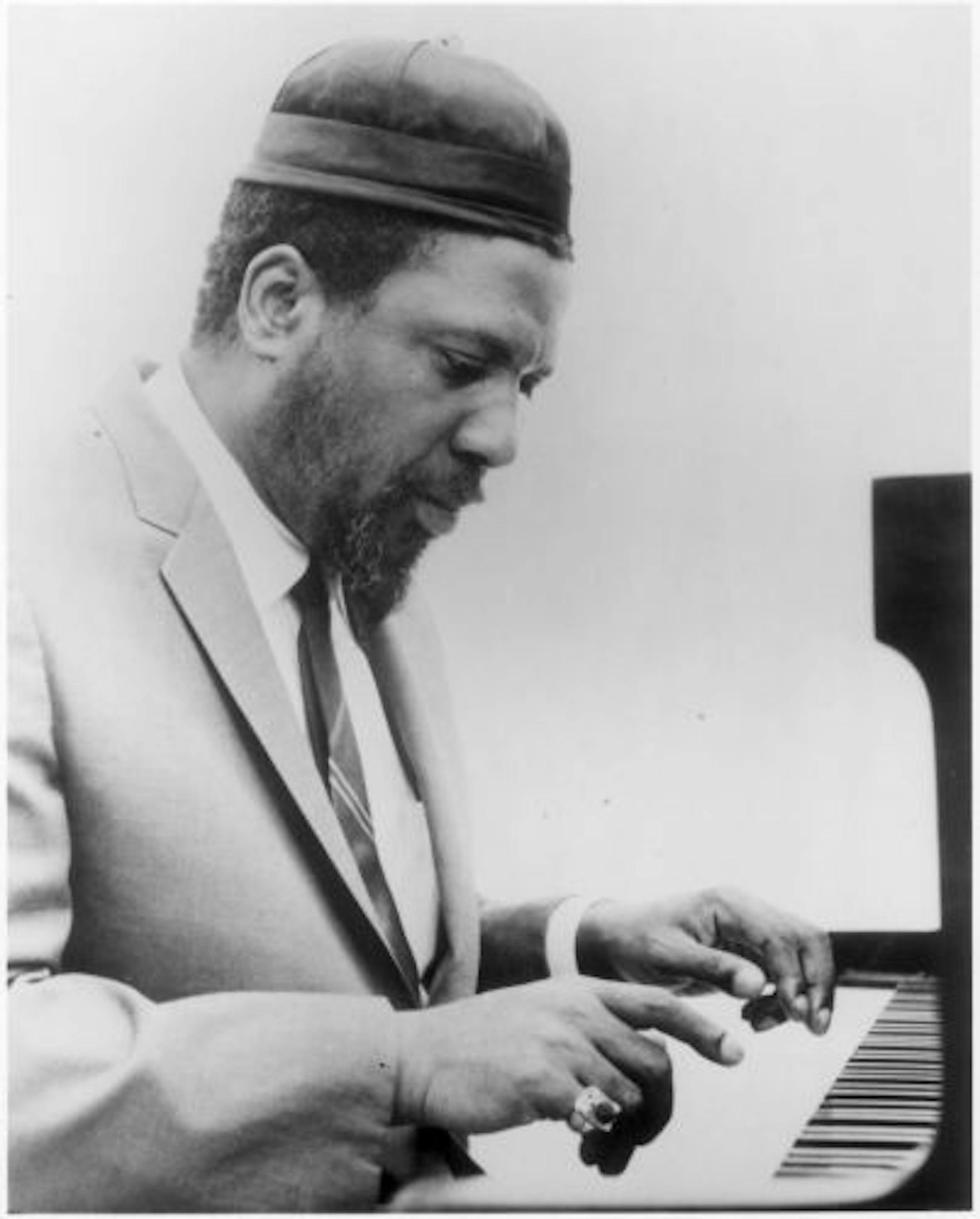
Thelonious Monk
Thelonious Monk (Columbia Records/The Minnesota Star Tribune)

The music of Thelonious Monk never stops being a pleasant surprise. A nonpareil composer and pianist, Monk seemed to organically operate in his own universe, one where conformity and iconoclasm were inseparable notions. He wrote incredibly sturdy songs, fortified by memorable melodies, rhythmic syncopation and, above all, the blues. Yet they veer off at crazy angles, rear up in dissonant tones, and rarely forsake Monk's wry sense of humor. He charms and confounds in one swell foop.

Not surprisingly, Monk the pianist is the definitive interpreter of Monk the composer. And small ensembles have generally fared better than larger groups in parsing his idiosyncrasies.

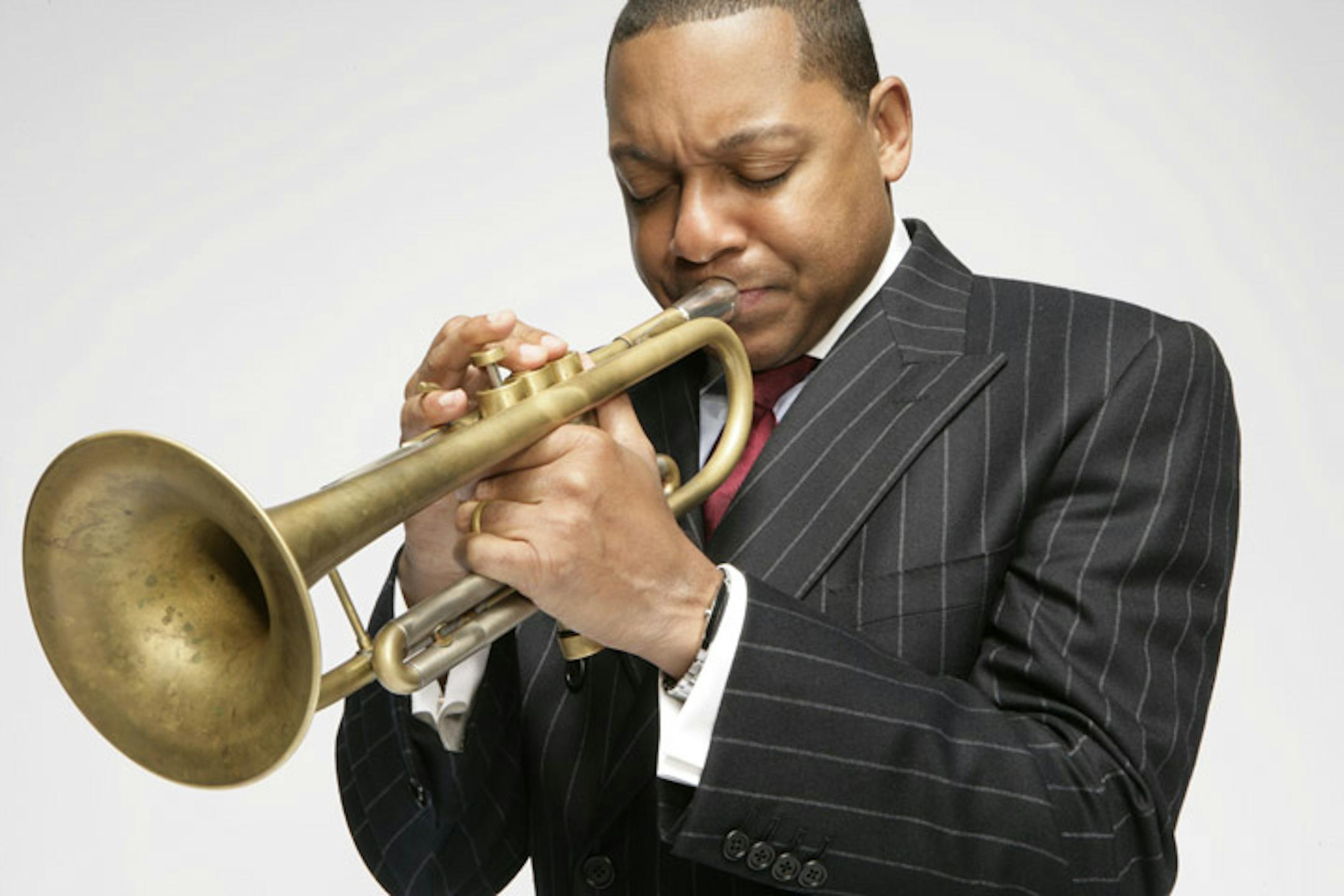
Wynton Marsalis and his Jazz at Lincoln Center Orchestra are attempting to buck that history. With a program of original big-band arrangements of Monk tunes in tow, the group is on a national tour that visits Orchestra Hall in Minneapolis this weekend. Friday night is dedicated to Monk, while on Saturday the orchestra will focus on music from Blue Note Records' storied catalogue.

Can the JLCO adapt Monk without sacrificing his renegade capacity for surprise? Early indications are promising.

In a long, revealing interview with Bad Plus pianist Ethan Iverson on Iverson's blog, "Do the Math," Marsalis laid out a compelling case for how Monk's approach to rhythm, while distinctive, is part of the universal language of jazz. Marsalis has also opted to feature many of the lesser-known songs in Monk's catalog and to spread the responsibility for arrangements throughout the ensemble. And his comments to Iverson and positive reviews of the show both indicate that there is a more pronounced Latin influence in the orchestra, especially from young bassist Carlos Henriquez, who has arranged Monk's "Bye-Ya."

All of this suggests a refreshing and unorthodox approach to Monk's invaluable legacy. He deserves nothing less.

MONK'S MUSIC: A LISTENER'S GUIDE "Genius of Modern Music, Vol. 1" (1947, Blue Note): Proof that Monk emerged full-blown on his first dates as leader. It contains a half-dozen stone-cold classics -- "'Round Midnight," "Ruby My Dear" and "Epistrophy" for starters -- and phrases from vibest Milt Jackson that transcend his output with the Modern Jazz Quartet. The complete Blue Note box (it's only 4 CDS) is a worthy investment, but if you can only afford one, this is it.

"Blue Monk, Vol. 2" (1952-54, Prestige): Again, the 3-CD "Complete Prestige Recordings" is an outstanding value, but for a single disc, this offers the best variety and the incomparable Sonny Rollins besides.
"Monk's Music" (1957, Riverside): The general consensus is that "Brilliant Corners" from the year before is the more important album. But this epitomizes Monk's ability to be both taut and freewheeling, and features a boatload of legends -- Art Blakey, John Coltrane, Coleman Hawkins -- either in top form or, in the case of Hawkins, fighting to stay modern.

"Thelonious Monk Quartet With John Coltrane at Carnegie Hall" (1957, Blue Note): Worth the hype when it was unearthed four years ago, these two shows from a single night in 1957 contain great songs performed by a pair of legends in synergistic splendor.

"The Thelonious Monk Orchestra at Town Hall," (1959, Riverside); "Big Band and Quartet in Concert" (1963-64, Columbia): Vital primers on big-band Monk. These discs share arranger Hall Overton and many of the same musicians. The Columbia set seems to generate more spunk and daring, perhaps because of the prior experience at Town Hall, perhaps because Monk was at the peak of his popularity. The only other large ensemble Monk recording, "Monk's Dream" (1968), with arrangements by Oliver Nelson, is best avoided.

"Criss Cross" (1962, Columbia): Any Monk disc with saxophonist Charlie Rouse is worth owning, but Rouse's penchant for intuiting the magic of Monk better than anyone is especially prominent here. Monk's stride stylings on "Tea for Two" reveal another facet of his artistry.

"Solo Monk" (1964, Columbia): 'Nuff said.

BRITT ROBSON

Wynton Marsalis
Wynton Marsalis (Tim Campbell — Clay McBride/The Minnesota Star Tribune)
about the writer

about the writer

BRITT ROBSON

More from Minnesota Star Tribune

See More
In this photo taken Monday, March 6, 2017, in San Francisco, released confidential files by The University of California of a sexual misconduct case, like this one against UC Santa Cruz Latin Studies professor Hector Perla is shown. Perla was accused of raping a student during a wine-tasting outing in June 2015. Some of the files are so heavily redacted that on many pages no words are visible. Perla is one of 113 UC employees found to have violated the system's sexual misconduct policies in rece
Associated Press/The Minnesota Star Tribune

We respect the desire of some tipsters to remain anonymous, and have put in place ways to contact reporters and editors to ensure the communication will be private and secure.