

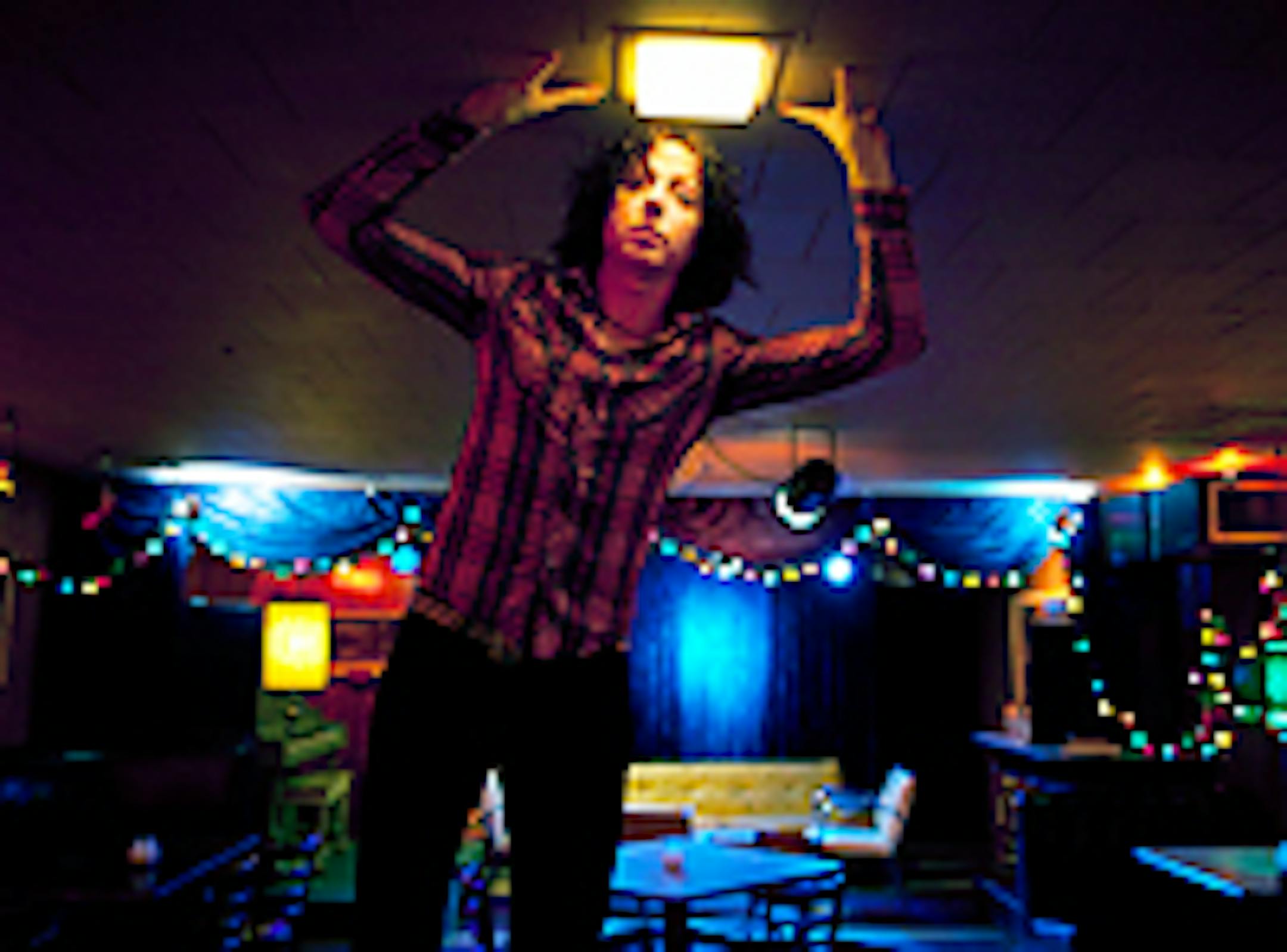
You could watch three Twins playoff games, do a full day of housework, catch up on last year's entire season of "Glee," hit the mall, bake a soufflé and get three full nights of sleep -- all in the time it takes Mark Mallman to play a single gig this weekend.
Mallman plans to perform continuously for 78 hours Thursday through Sunday at the Turf Club. There will be no breaks, besides bathroom trips. There will be no audience between 2:15 a.m. and noon, besides the people monitoring the show live via the Web. And there will be nothing to compare it to in the increasingly rote world of rock performance, which is the main reason why Mallman is going for it.
"As creative pursuits go, rock 'n' roll shows have become incredibly uncreative," said Mallman.
The singer/pianist first played a 26-hour concert in 1999, followed by a 52-hour set in 2004. Dubbed Marathon and Marathon 2, those shows earned him airtime on CNN and consideration from Guinness World Records. He believes Marathon 3 will be far more worldwide in scope, since webcasting technology has greatly improved since 2004.
"When it's 5 a.m. here, it'll be 11 a.m. in London," he said. "Who knows how many people might be watching?"
Mallman insists he's not doing it for the attention, though, and especially not for a record. "It's not about any of that. It's about creating a better performance. It's sort of like the rugby players who take ballet class to become better players. I'm doing it to become better at what I do."
The singer has been training hard to prepare. He couldn't jog a mile in May, but he has been averaging seven per day in recent weeks. He swore off alcohol weeks ago and consulted nutritionists. He's stretching out his sleep patterns. His musical preparations include writing 400 pages of new lyrics and lining up 100 other musicians to play with him.
Dr. Michel Cramer Bornemann, a sleep forensics investigator at HCMC, said one night without sleep impairs a typical person more than being legally intoxicated on alcohol. "The impairment increases exponentially the longer you stay awake," he said. "Your physical judgment is way off, so the chance for a mishap goes way up. There are challenges as a musician, too: It becomes more and more likely he'll hit the wrong notes."


